



Gilt Metal Mounted Cabinet
A gilt metal mounted cabinet brings structured French and Victorian elegance to a room through polished timber and cast brass details.
Gilt Metal Mounted Cabinet
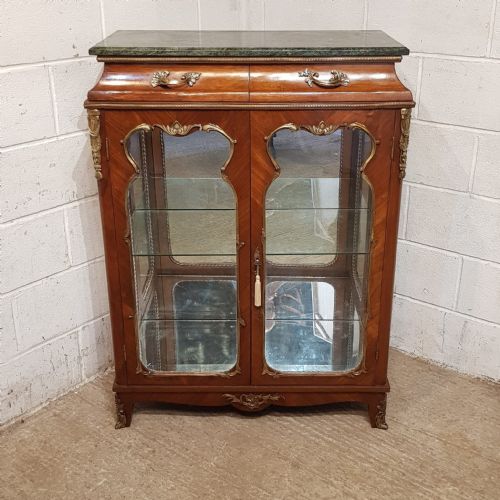
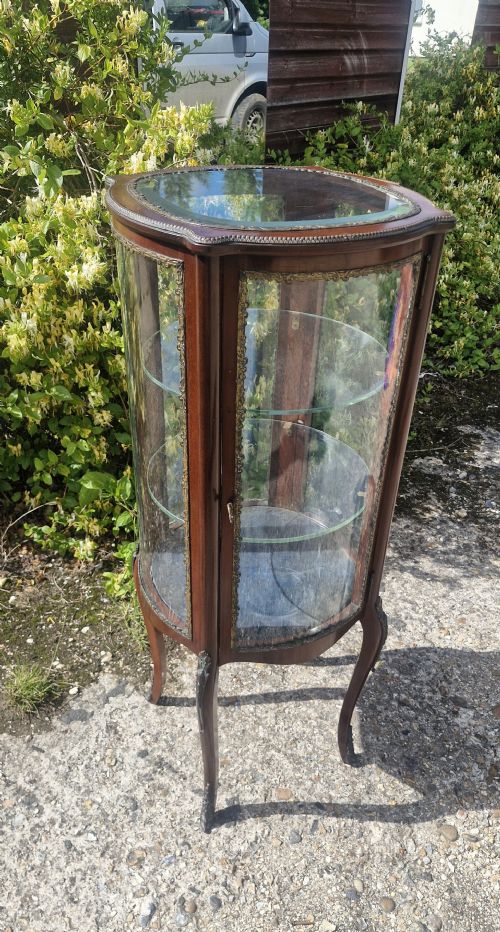
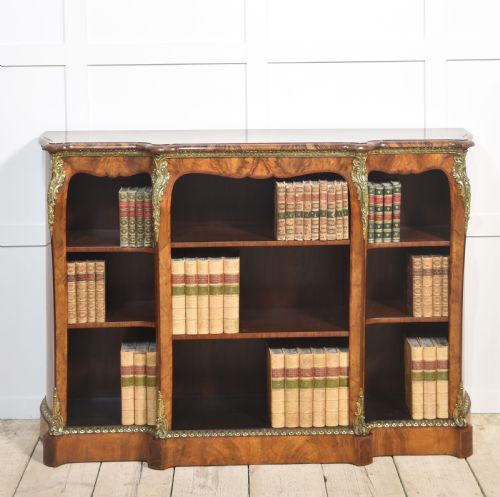
A gilt metal mounted cabinet combines timber construction with cast brass, bronze, or ormolu mounts that highlight corners, borders, and glass panels. You will most frequently encounter Victorian walnut credenzas and Edwardian or later French display cabinets, vitrines, and bedside chests.
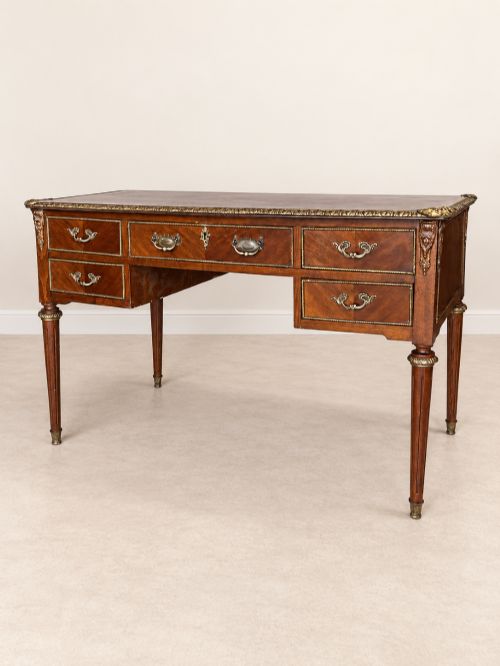
The form ranges from low pier cabinets and side cabinets to tall breakfront bookcases and desks. These pieces served to display porcelain, books, and curiosities while anchoring the formal sitting room or study.
Origins span nineteenth-century English workshops and French-inspired continental designs produced up to the nineteen-twenties. Walnut, mahogany, and ebonised wood form the primary carcasses for these decorative storage pieces.

How they were made
Cabinet makers constructed frames from hardwoods such as mahogany and walnut, frequently applying veneers or ebonising the timber surface. Inlaid marquetry and pietra dura panels appear across many surfaces alongside glazed doors.
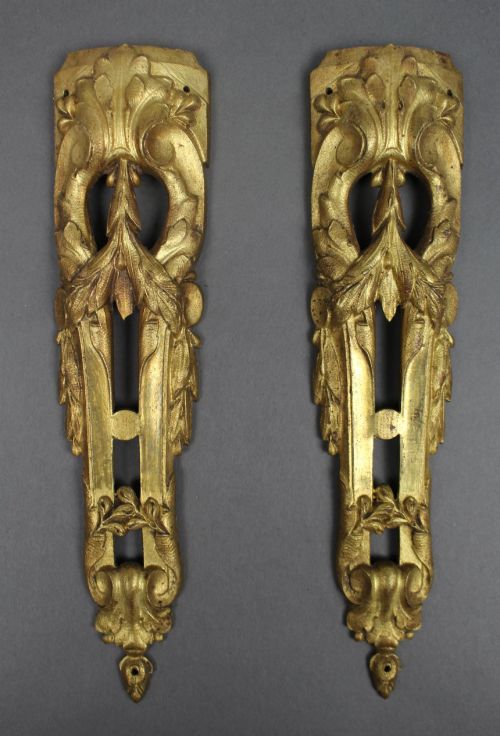
Mounts in gilt metal, ormolu, and gilt bronze were cast and chased separately before attachment to corners, friezes, and feet. Marble tops also feature on select nineteenth-century examples, fitted directly onto the timber carcass.
Gilt Metal Mounted Cabinet Retail Price Guide 2026
Typical asking prices for gilt metal mounted cabinet among the pieces listed under this phrase on Sellingantiques today, from the lower quarter to the upper quarter. They describe what is for sale here now, not the wider market.
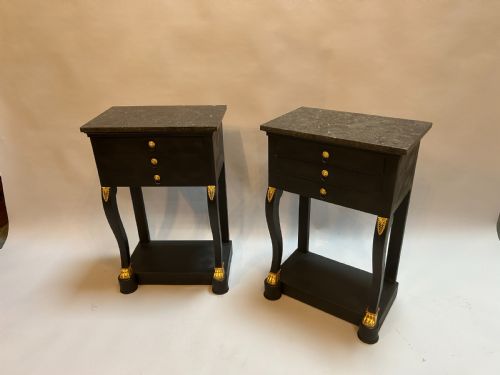
The archive includes nineteenth-century pier cabinets, Edwardian bijouterie display cases, and French Empire bedside chests.
What varies in quality
The crispness of the metal casting dictates the refinement of the piece, as sharper chased details on ormolu mounts signal superior workshop standards. Finer cabinets employ heavier timber veneers and precise marquetry rather than simpler surface finishes.
Proportion and the integration of the mounts into the timber carcass separate standard production from exceptional examples. The weight of the marble top and the clarity of the glass panels further distinguish individual pieces.
The Gilt Metal Mounted Cabinet Glossary
- Ormolu
- Gilt bronze mounted onto furniture or decorative objects through a mercury amalgamation process. This technique gives the metal a deep, warm gold tone.
- Credenza
- A low cabinet designed for storage and display, often featuring glazed central doors flanked by curved side compartments. These pieces sit low against a wall.
- Pier cabinet
- A narrow display cabinet built to stand against the wall space between windows. They typically house porcelain and small collections behind glass.
- Marquetry
- The art of applying decorative pieces of veneer to a structural structure to form geometric or pictorial designs. Walnut and exotic timbers provide contrasting tones.
- Vitrine
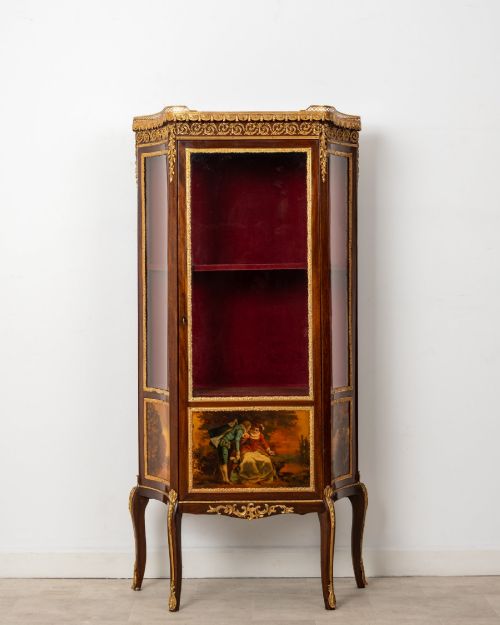
- A glass-sided display cabinet intended for the exhibition of delicate objects. The wooden frame carries gilt metal mounts to frame the glazing.
Gilt Metal Mounted Cabinet: Frequently Asked Questions
What rooms suit a gilt metal mounted cabinet?
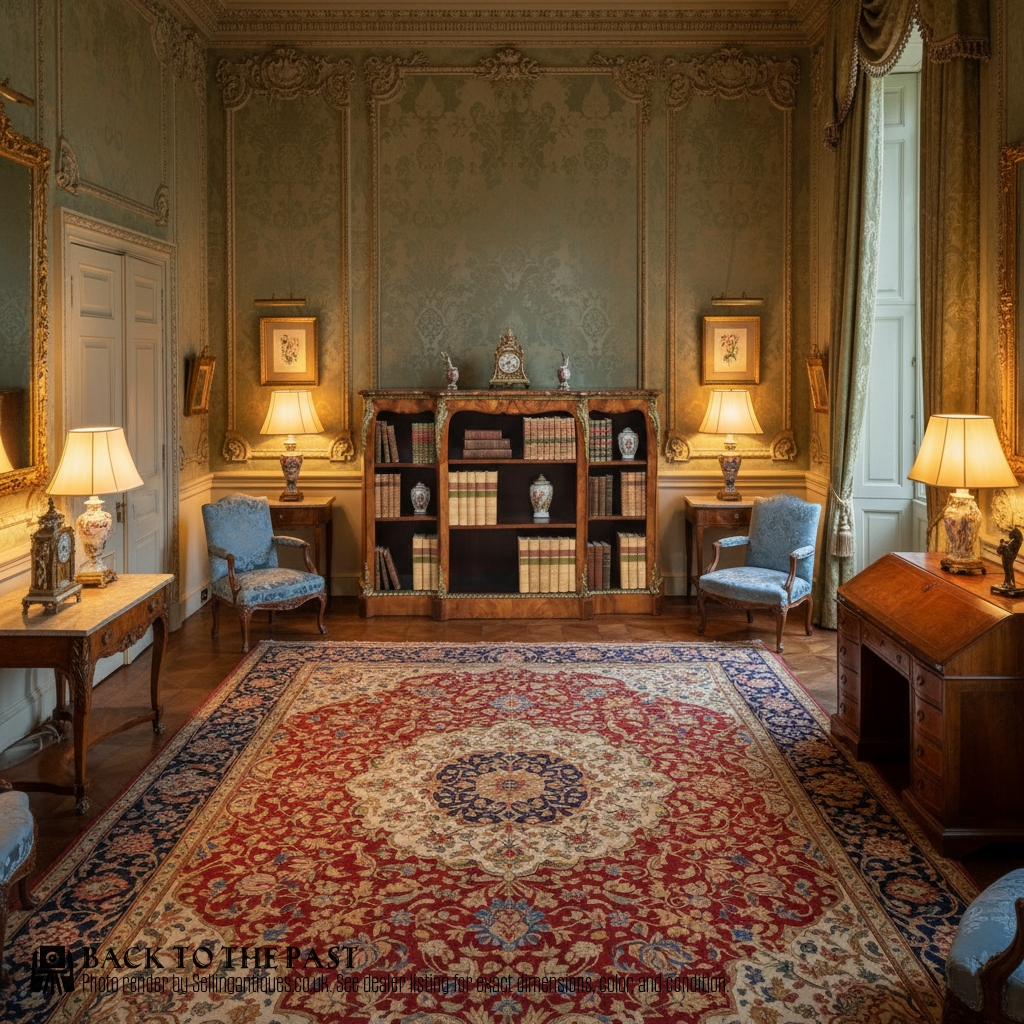
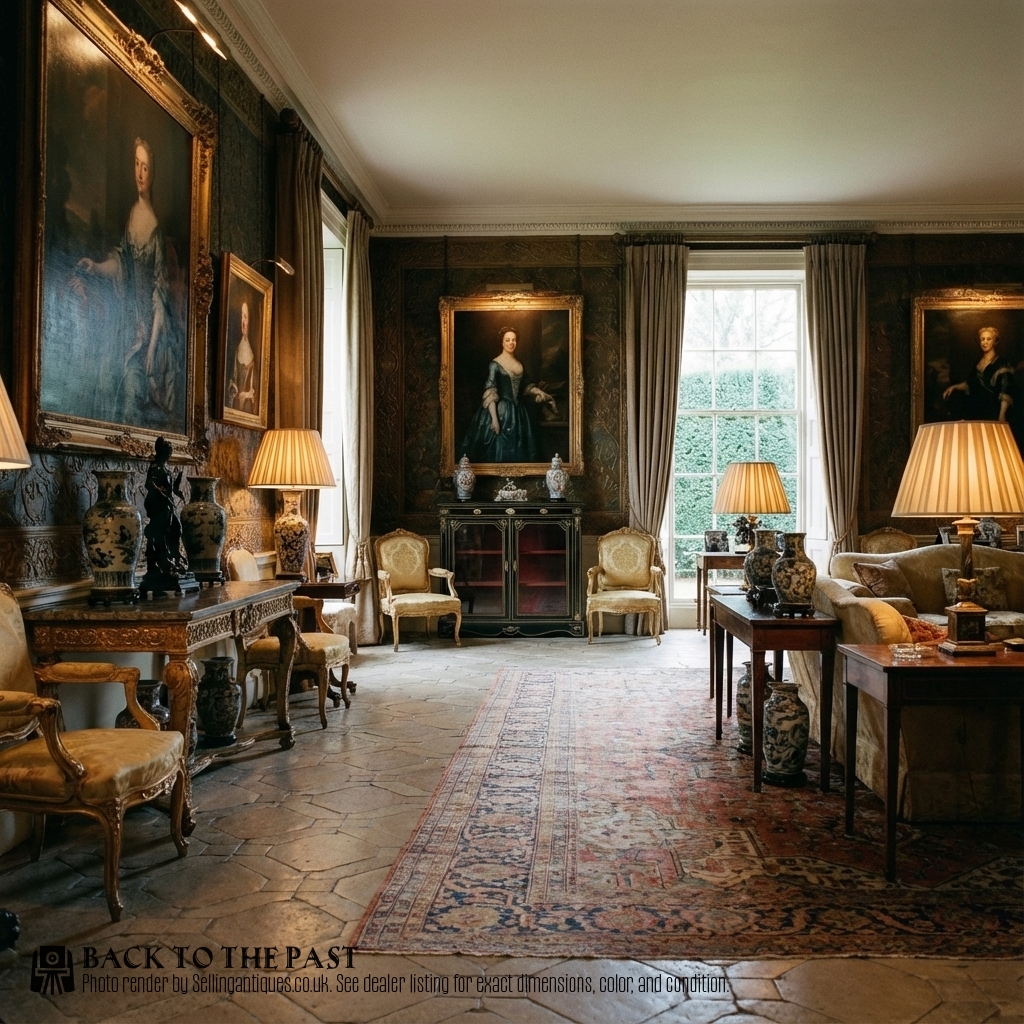
These cabinets work well in living rooms or studies where glazed doors protect displayed ceramics and books from dust. Their polished timber and metallic mounts add depth to traditional interiors.
Lower side cabinets and bedside chests function effectively as accent pieces against plain walls. Taller vitrines draw the eye upward in high-ceilinged spaces.
How do I care for the gilt mounts?
Dust the metal mounts gently with a soft, dry brush to prevent accumulation in the recesses of the casting. Avoid abrasive metal polishes that can wear away the surface gilding.
Maintain stable humidity levels in the room to protect both the timber carcass and the underlying veneer. Wax the wood surfaces occasionally using a traditional beeswax preparation.
How do I identify Victorian pieces?
Victorian examples frequently utilise walnut or ebonised wood paired with extensive marquetry inlay and porcelain plaques. Many of these nineteenth-century pieces take the form of credenzas or pier cabinets.
French-influenced designs from this era often incorporate elaborate ormolu mounts and curved glass doors. English interpretations tend towards structured walnut and mahogany bookcases.