

Vintage French Table Lamps
Vintage french table lamps bring continental elegance to an interior, combining cast metals and ceramic bodies in lighting that dates from the nineteenth and twentieth centuries.
Vintage French Table Lamps
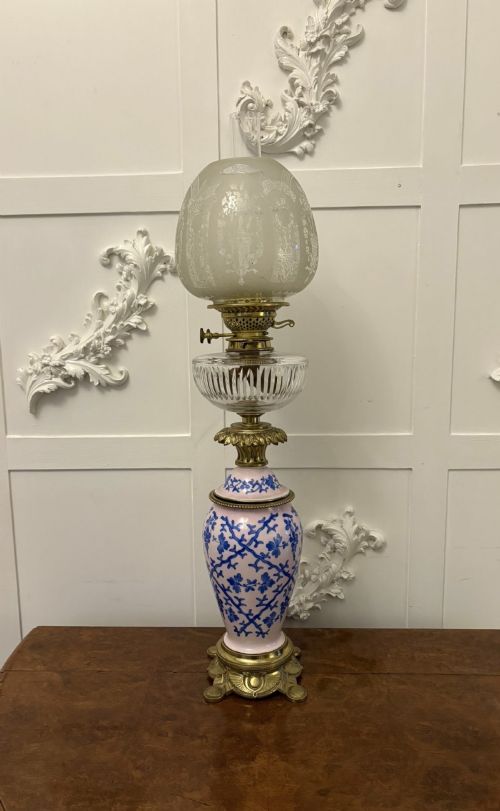
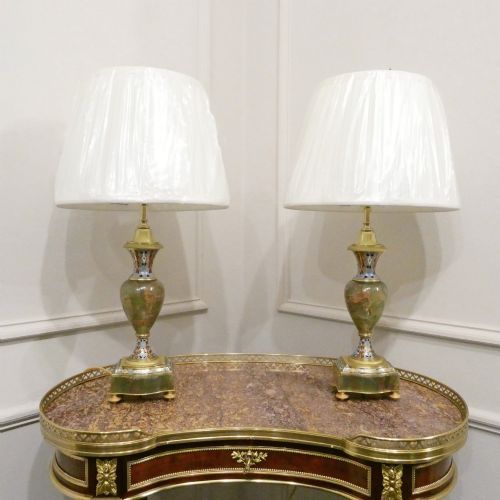
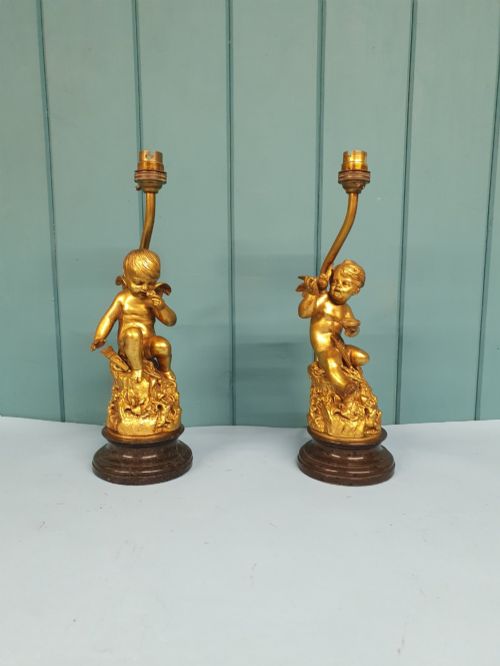
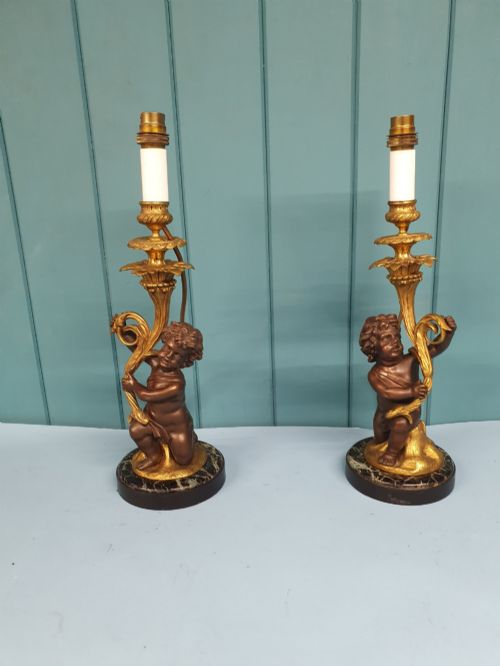
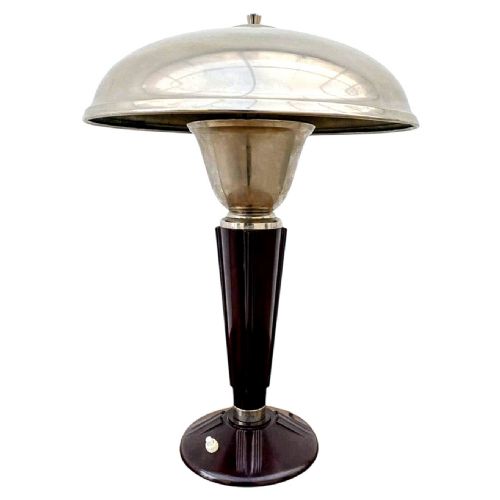
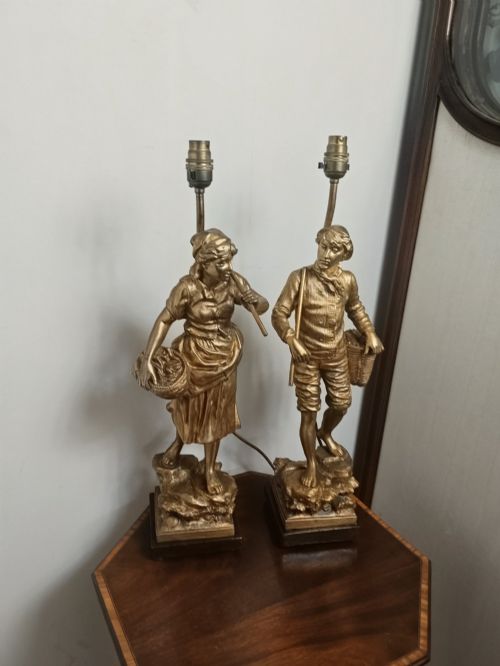
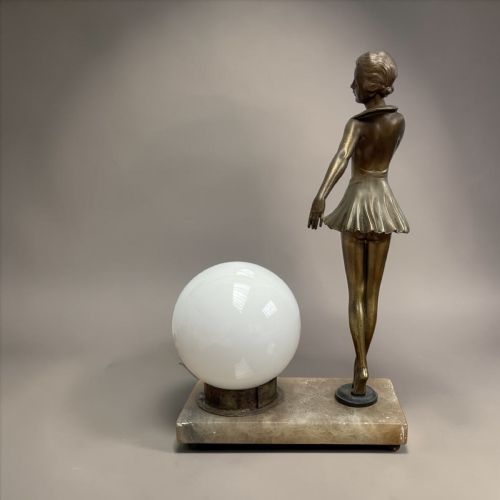
When searching for vintage french table lamps, buyers encounter diverse forms ranging from converted candelabra and figural bases to geometric Art Deco designs. The selection spans the nineteenth century through the nineteen-thirties, with brass, bronze, and porcelain frequently appearing as primary construction materials. Many examples originate from distinct periods such as the Art Deco era or earlier neoclassical revivals.
Table lamps often share categories with lamp tables and occasional stands in the available selection, reflecting overlapping historic terminology. The most common lighting pieces feature cast metal mounts, marble or onyx sections, and occasionally fabric shades or opaline glass elements. Buyers frequently find paired sets alongside single sculptural desk and bouillotte lamps.
Materials and construction methods
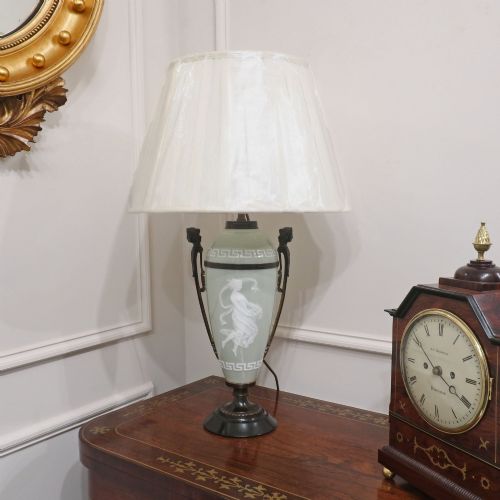
Metalworking forms the core of these pieces, utilising brass, bronze, or gilt metal shaped into intricate mounts, figures, and structural bases. Ormolu surface treatments provide a bright golden finish on bronze components, while champlevé enamelling and patinated elements add colour and texture. Stoneware, crackle ware, and porcelain bodies, including pate sur pate ceramic panels, frequently form the central columns.
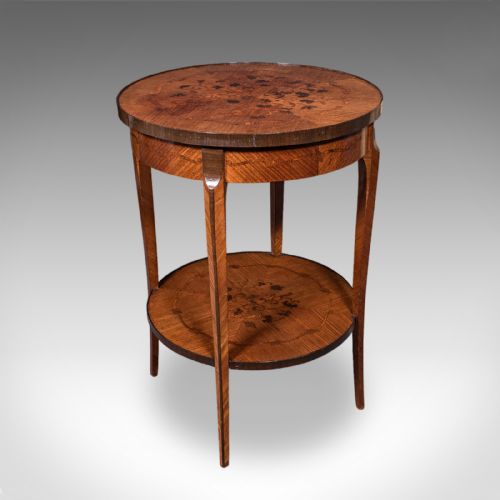
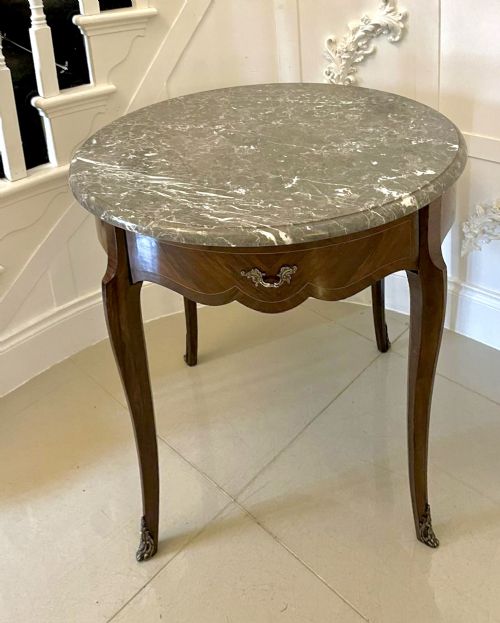
Natural stone plinths in marble and onyx anchor many designs, offering weight and stability to the completed lighting fixtures. Wood variants employ walnut, mahogany, and fruitwood alongside marquetry inlay for related tables that double as lamp supports. Glass appears in moulded, opaline, and mottled forms, particularly within twentieth-century Art Deco productions.
Periods range from the nineteenth century through the Art Deco developments of the nineteen-thirties.
Distinguishing quality variations
The refinement of the cast metal ornamentation largely separates standard production from superior examples. Finely chased bronze and ormolu mounts display crisp detail in foliage, figures, and geometric patterns, whereas lesser pieces show softer, shallower casting lines. The weight and selection of the marble or onyx base further indicate the standard of manufacture.
The integration of materials also defines the higher tier of these pieces, such as seamless mounts fitted directly to hand-painted porcelain or coloured glass bodies. Original components, including matched pairs and period wiring adaptations, maintain the structural integrity established by the original makers.
E Rousseau·Eileen Grey·Charles Schneider
The Vintage French Table Lamps Glossary
- Ormolu
- Gilded bronze, where a gold amalgam is applied to a bronze base through a mercury-gilding process that creates a durable, bright finish. This technique appears widely on nineteenth-century mounts and lamp bases.
- Bouillotte lamp
- An adjustable desk or table lamp featuring a central shaft, a saucer-like base, and a shade that slides up and down on a vertical rod. They traditionally accommodate two or three lights.
- Champlevé
- An enamelling technique where troughs or cells are hollowed out of a metal surface and filled with vitreous enamel before firing. It frequently decorates brass and bronze lamp bodies.
- Pate sur pate
- A ceramic decorating method where liquid white clay is painted in successive layers upon a coloured clay body to create a low relief cameo effect. It is seen on fine porcelain lamp sections.
- Opaline glass
- A pale, translucent milk glass popular in nineteenth and early twentieth-century lighting. It softens bulb illumination while diffusing an even, milky glow across the room.
Vintage French Table Lamps: Frequently Asked Questions
How do I date these table lamps?
Dating relies on stylistic markers, material combinations, and manufacturing techniques recorded across the periods. Neoclassical and Rococo revival styles typically point to the nineteenth century, while geometric forms and opaline glass indicate the nineteen-twenties and thirties.
Makers' signatures, casting quality, and wiring adaptations also provide chronological context. Comparing the construction methods against established historic periods helps narrow the production decade.
Were these originally made as lamps?
Many items began as something else entirely before conversion into lighting. Nineteenth-century brass candelabra, gilt metal ewers, and porcelain vases were frequently adapted for electrical use.
Other examples were conceived strictly as lamp bases from the outset, particularly during the Art Deco period. Both converted antiques and dedicated bases populate the available selection.
How do I choose the right shade?
Selecting a shade depends on the proportions and era of the base. Fabric shades complement traditional ceramic and brass columns, while glass shades suit Art Deco metal and opaline designs.
Proportion remains paramount to balance the visual weight of the marble or bronze base. Ensuring the fitter matches the lamp socket type ensures secure installation.
Can I use these lamps safely today?
Most historic lamps require professional rewiring to meet modern electrical safety standards. Retaining original historic fittings is possible while updating the internal wiring and plug.
A qualified electrician can inspect the lamp holder and cord without altering the external antique components. This preserves the decorative integrity while ensuring safe daily use.