
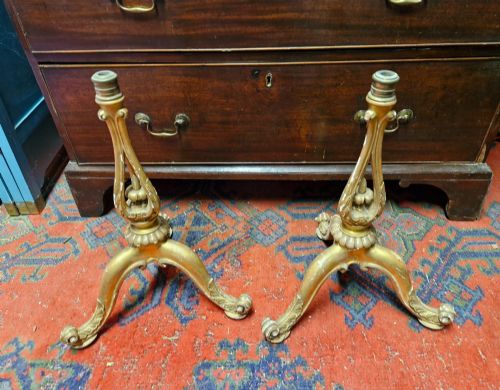
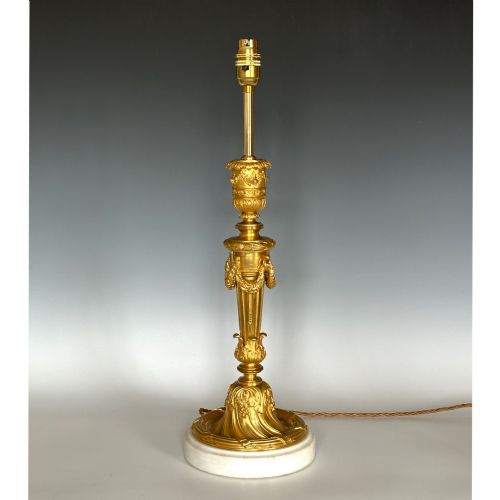
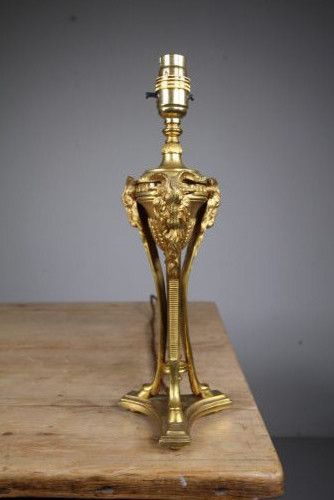
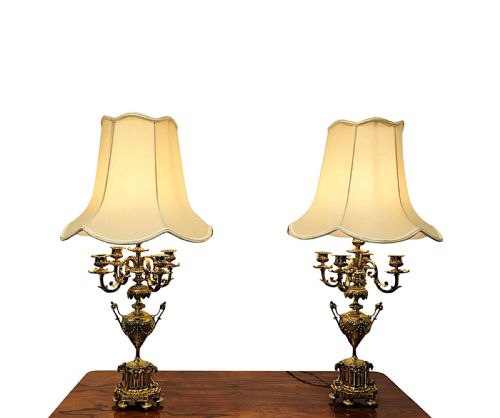
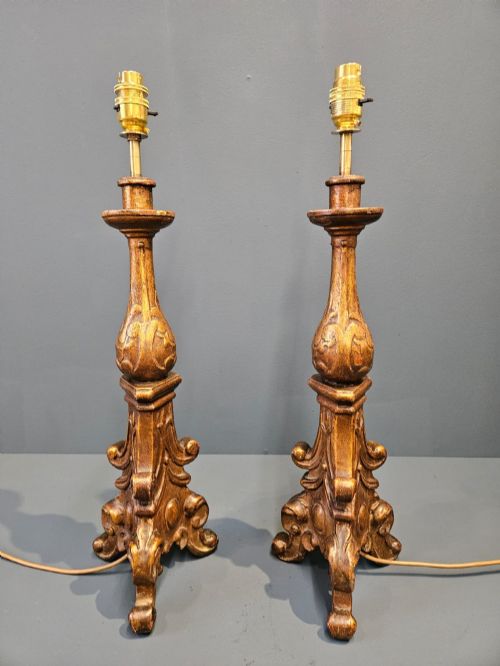


Antique French Candlestick Lamps
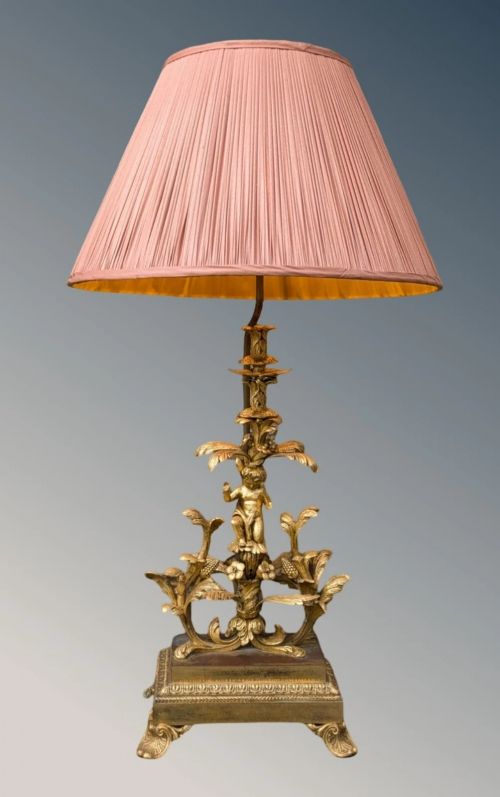
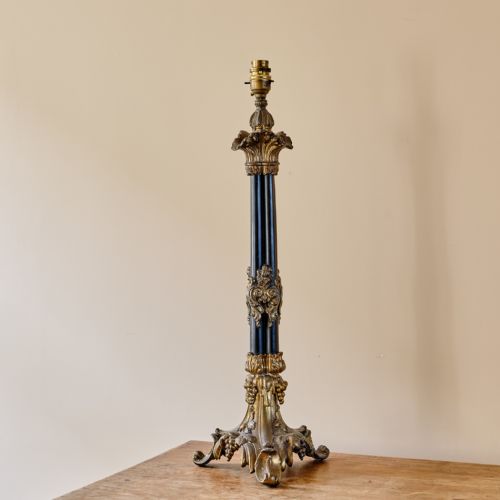
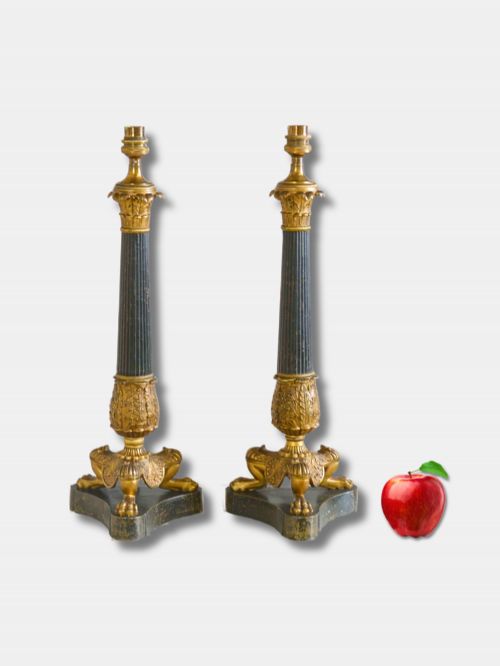
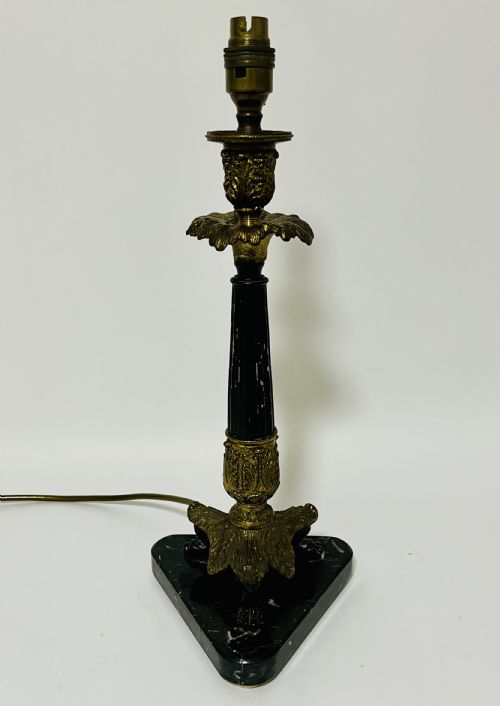
These antique french candlestick lamps bring architectural height and warm metal glow to a room.
Antique French Candlestick Lamps
The aesthetic draws heavily from the French Empire, Neoclassical, and Rococo styles, often referencing Louis XV and Louis XVI designs. Many items began life as pure bronze, brass, or giltwood candlesticks before later conversion into lamps. Pairs dominate the offerings, providing balanced illumination for sideboards, desks, and mantlepieces.
Origins trace directly to continental workshops adhering to traditional French decorative arts. Materials span cast bronze, carved wood, and painted metal enhanced by fabric shades or glass lustres. These objects serve both practical illumination needs and sculptural display roles within traditional interiors.
How They Were Made
Artisans employed cast bronze, brass, and giltwood as foundational media, frequently applying gold leaf or ormolu fire gilding over the metal surfaces. Ormolu involved the application of a mercury and gold amalgam onto bronze, producing a deep and lasting metallic lustre. Carved timber components received meticulous hand detailing before receiving similar gilt treatments.
Marble elements paired with metal bases to add weight and structural contrast to monumental column forms. Toleware components utilised painted sheet metal shaped into shades and reservoirs, particularly on bouillotte desk lamps. Silver plating appeared on ecclesiastical pieces, applied over base metals to mimic solid silver church plate.
The material palette relies heavily on brass, gilt bronze, and ormolu, alongside carved giltwood and marble.
What Varies In Quality
The refinement of the casting work separates standard productions from exceptional examples. Finer pieces display crisp chasing and deep relief on bronze or ormolu mounts, where hand tooling after the cast removes any surface blemishes. Softer details and blurred edges indicate secondary casting rounds or hurried finishing.
Material integration also dictates overall merit. Superior pieces combine substantial marble socles, thick mercury gilding, and original glass or crystal components without structural compromise. Simpler constructions rely on lighter gauge brass or painted finishes that lack the depth found in nineteenth century gilt bronze.
The Antique French Candlestick Lamps Glossary
- Ormolu
- A method of applying finely ground high-carat gold to a bronze object using a mercury amalgamation technique. This historic process yields a warm, durable golden surface distinct from modern electroplating.
- Bouillotte
- A type of adjustable desk lamp featuring a central candle or bulb cluster surrounded by a metal shade. The design takes its name from a French card game popular during the eighteenth and nineteenth centuries.
- Toleware
- Painted or lacquered metalware originating in France. Artisans used this technique to create durable decorative items such as lamp bases and adjustable shades.
- Candelabra
- A branched candlestick designed to hold multiple lights simultaneously. Many antique examples undergo professional conversion into table lamps while retaining their original branch configurations.
- Lustre
- Cut glass or crystal pendants suspended from a light fixture to refract illumination. These adornments appeared frequently on nineteenth century lighting to enhance visual sparkle.
Antique French Candlestick Lamps: Frequently Asked Questions
How do I convert these for modern use?
Professional electricians handle the internal rewiring of these antique pieces by running cord through the central hollow shaft without damaging the original metal or wood structure.
Most retain their historical height and socket fittings while accommodating contemporary bulbs safely through discreet modern cord installation.
What periods do these lamps represent?
The available selection spans the nineteenth century through the early twentieth century, encompassing Victorian and Edwardian interpretations of French design.
Earlier items draw upon Regency and Empire aesthetics, while pieces from nineteen-hundred onward often reflect Louis XVI revival tastes.
How do I clean gilt bronze and ormolu?
Dust surfaces gently with a soft dry brush to prevent accumulation in the intricate cast crevices. Avoid abrasive cleaning agents or metal polishes that strip away historic mercury gilding.
Where should I place a bouillotte lamp?
These adjustable desk lamps suit reading tables, sideboards, or writing desks where directional downward light is useful. Their painted metal shades project illumination directly onto the surface below.