
Vintage French Decorative Glass
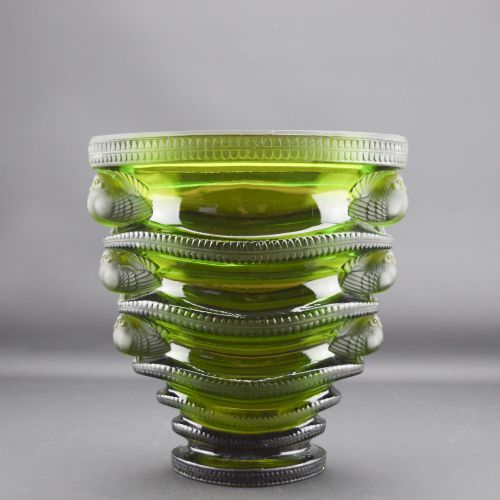
Vintage french decorative glass brings together moulded vases, heavy centrepieces, and lamps from the nineteenth and early twentieth centuries.

Vintage French Decorative Glass
Collectors seeking vintage french decorative glass encounter items produced across the nineteenth century, the Art Nouveau period, and the Art Deco era. The selection spans utilitarian vessels transformed into ornament, such as apothecary jars and serving dishes, alongside dedicated display pieces.
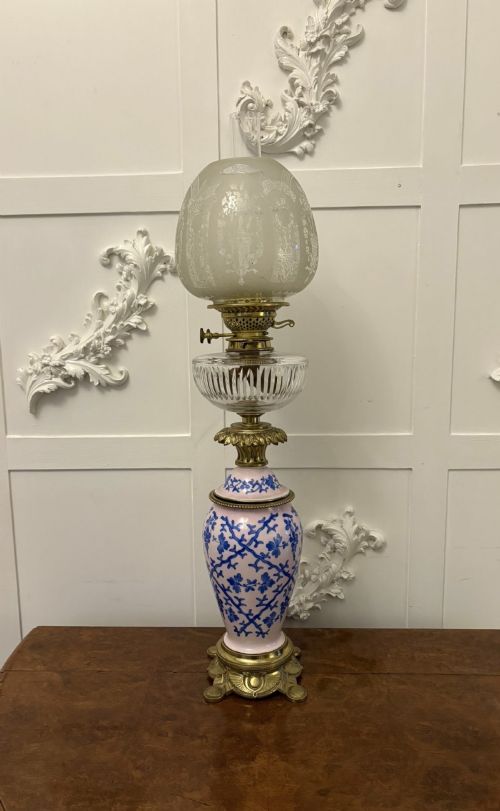
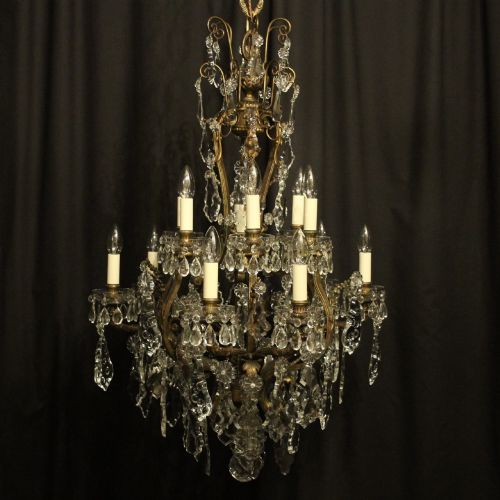
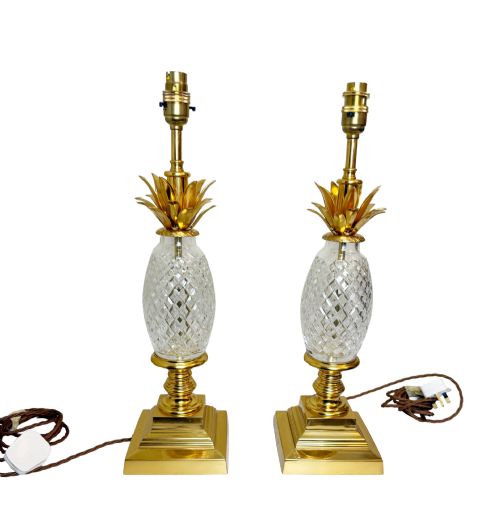
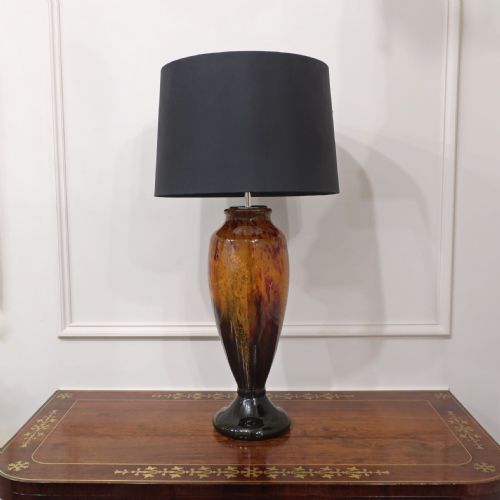
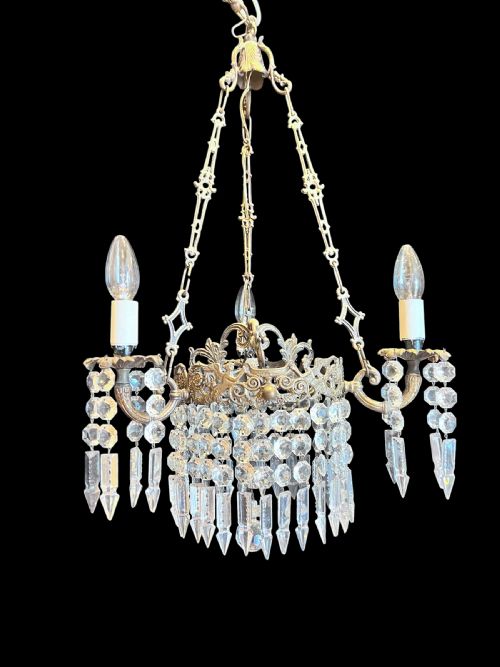
Vases, bowls, and lamps form the core of the items encountered in this category. These objects combine moulded or cameo glass with mounts of brass, bronze, and ormolu, reflecting shifts in taste from Victorian elaboration to modernist geometry.
How they were made
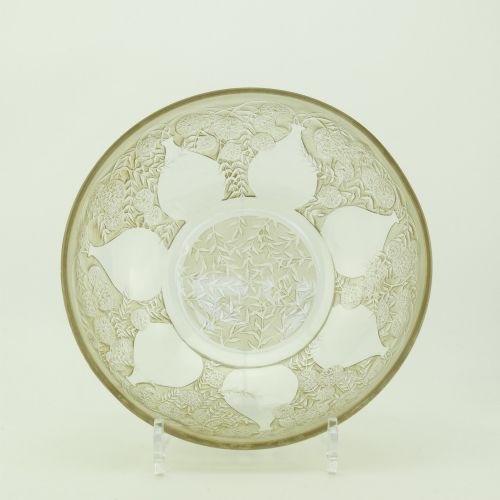
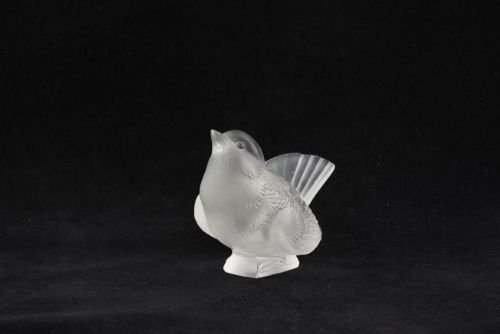
Glass production relied on techniques including cameo carving, acid etching, and opalescent moulding to achieve depth and texture. Workshops layered different coloured glass or utilised frosted and mottled finishes to catch the light.
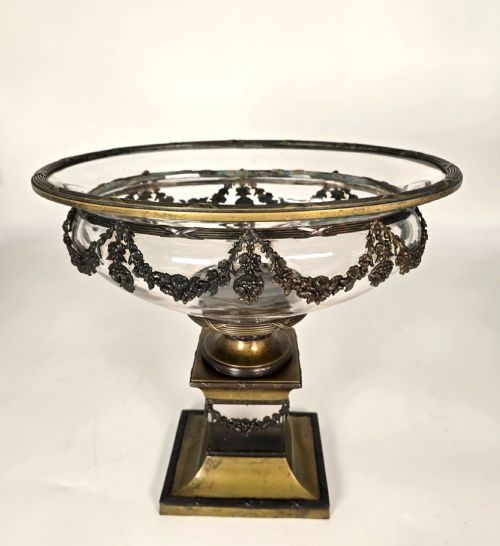
Metal components such as gilt bronze, brass, and ormolu were cast and chased to frame or support the glass bodies. These mounts were secured to crystal and glass inserts using traditional pins and threading.
Listings combine nineteenth-century Victorian designs with early twentieth-century Art Nouveau and Art Deco glass, featuring mounts of brass and gilt bronze.
What varies in quality
The degree of crispness in moulded relief and the depth of acid-etched cameo layers distinguish standard production from exceptional examples. Detail in the chasing of metal mounts and the weight of the glass body determine the overall presence of the piece.
Harmony between the glass vessel and its metal fittings indicates the level of design consideration during manufacture. Pieces retaining unified proportions across both glass and bronze elements show greater refinement.
Rene Lalique·Daum Frères·Emile Galle·Georges Leleu
The Vintage French Decorative Glass Glossary
- Cameo glass
- Glass vessels carved from multiple fused layers of different colours to create a raised design. This technique requires considerable skill from the glassmaker to expose the background without cutting too deeply.
- Opalescent
- Glass that displays a milky, iridescent sheen with shifting tones of blue and amber when lit. It was a favourite medium for twentieth-century French designers seeking tactile luminosity.
- Ormolu
- Gilded bronze used widely for mounts, feet, and handles on decorative vessels. The finish is achieved by applying a mercury and gold amalgam to bronze.
- Pâte de verre
- A form of kiln-cast glass created by packing finely crushed glass into a mould with a binder and firing it until fused. The resulting texture has a distinctive sugary opacity.
- Mottled glass
- Glass incorporating patches of variegated colour distributed unevenly through the body. This effect creates cloudy patterns popular during the Art Deco period.
Vintage French Decorative Glass: Frequently Asked Questions
How do I identify Art Deco glass?
Art Deco glass relies on geometric forms, mottled colours, and stylised motifs rather than the flowing floral shapes of earlier decades. The profiles are clean and architectural.
Surface treatments tend to favour etching and heavy moulding over delicate engraving, reflecting a shift toward industrial robustness in design.
Where should I place these pieces?
These decorative objects suit locations with strong natural light, such as windowsills or open shelving, where translucent and opalescent surfaces can catch illumination. Bowls and vases also function well as table centrepieces.
Heavier mounted pieces require sturdy surfaces capable of supporting combined glass and bronze weight.
How do I clean antique glass?
Cleaning requires warm water and mild soap applied with a soft cloth, avoiding harsh abrasives that might damage frosted surfaces or chemical cleaners on metal mounts. Bronze and gilt parts should be kept dry to preserve their finish.
Care must be taken around fitted mounts, as moisture trapped beneath metal collars can discolour the glass over time.