
1920s French Glass
These pieces of 1920s french glass capture the bold spirit of Art Deco design and the organic curves of Art Nouveau.
1920s French Glass
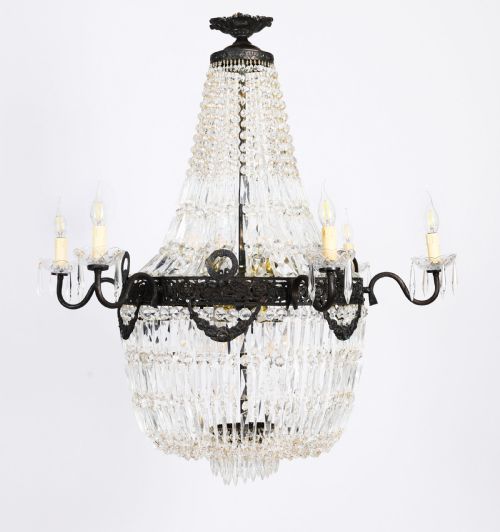
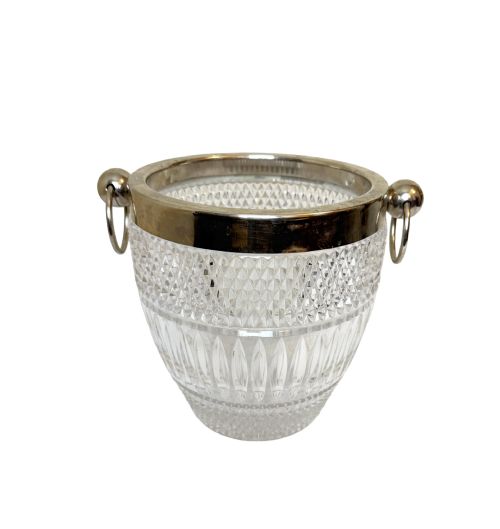
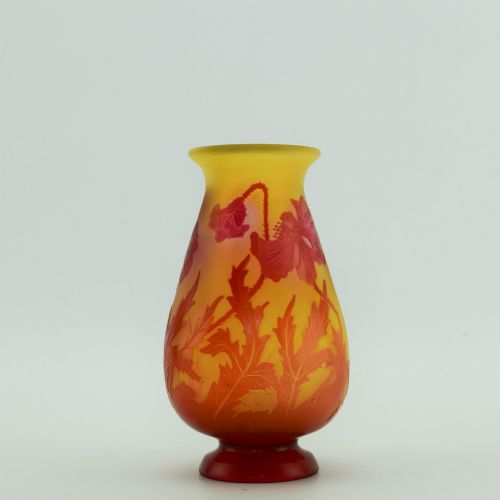
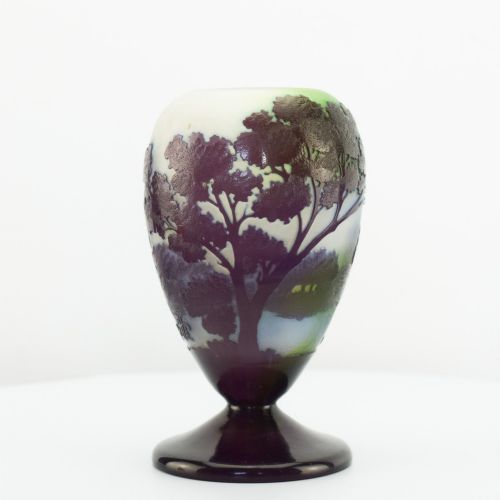
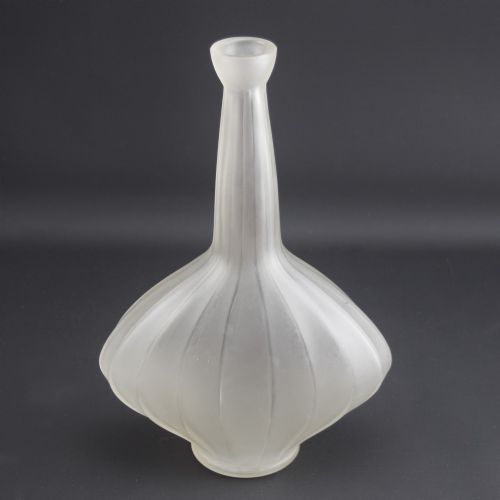
When you search for 1920s french glass, you find a remarkable range of decorative items shaped by the major design movements of the early twentieth century. The selection spans vases, decorative plates and bowls, perfume bottles, car mascots, lighting pendants, and table lamps.
The objects vary from delicate scent flacons and ashtrays to large bowls and car mascots designed to grace the front of motor vehicles. Each item demonstrates the skill of French workshops in handling glass to achieve tactile textures and shifting light effects.
How they were made
Makers shaped these items using techniques such as moulding, cameo layering, and pate de verre casting. Molten material entered carved metal moulds to produce crisp relief patterns, or workers fused multiple glass layers together before acid-etching away the surface to reveal intricate botanical or animal motifs.
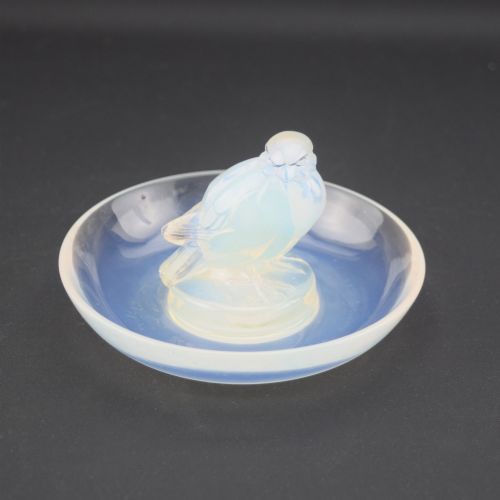
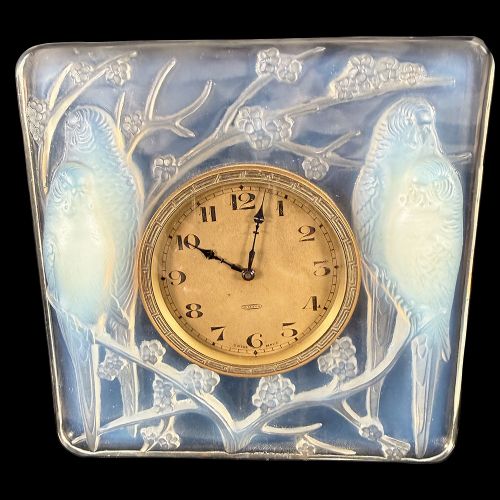
Opalescent and frosted effects relied on precise chemical additions and controlled cooling schedules to scatter light through the translucent substance. Artisans then highlighted specific details using blue staining, enamelling, or fire-polishing to accentuate the contours of birds, insects, and floral designs.
Listings feature items from four main periods: 1920, 1930, 1900, and the Edwardian era, spanning Art Deco, Art Nouveau, and Neo-Classical styles.
What varies in quality
The distinction between standard production and the finest work lies in the depth of the mould relief, the clarity of the opalescent fire, and the crispness of the hand-finishing. Superior examples show exceptional control over colour shifts within the glass body, particularly where blue staining or opalescence catches the light.
Signature placement and the sharpness of cast details also separate the upper tier of pieces from simpler commercial wares. Makers who maintained strict workshop standards ensured that every feather, petal, and geometric facet retained its intended definition without blurring during the cooling process.
Rene Lalique·Emile Galle·Argy Rousseau
The 1920s French Glass Glossary
- Opalescent glass
- Glass that milky-white or bluish appearance when lit from the front, changing to amber or warm tones when backlit. This visual shift results from specific chemical compounds added to the molten batch.
- Cameo glass
- Vessels formed from two or more distinct layers of coloured glass fused together. Artisans carve away the outer layer to leave a raised design contrasting against the background.
- Pate de verre
- A kiln-casting method where finely crushed glass is mixed with a binder and packed into a mould before firing. The resulting object has a distinctive sugary texture and rich colour saturation.
- Frosted glass
- A matte surface treatment achieved by acid-etching or sandblasting clear material. This technique softens the transparency and highlights the sculptural relief of moulded patterns.
- Car mascot
- A decorative figurine mounted upon the radiator cap of a motor vehicle during the early twentieth century. Makers produced these in heavy moulded glass to catch the daylight on open roads.
1920s French Glass: Frequently Asked Questions
What defines 1920s french glass?
These pieces represent a period of immense creativity where traditional glassmaking techniques met modern Art Deco design principles. They include everything from functional perfume bottles to sculptural car mascots and large decorative bowls.
Workshops utilised opalescent, frosted, and moulded glass to create objects that played dynamically with interior light. The resulting items remain defining examples of early twentieth-century decorative arts.
How were perfume bottles used?
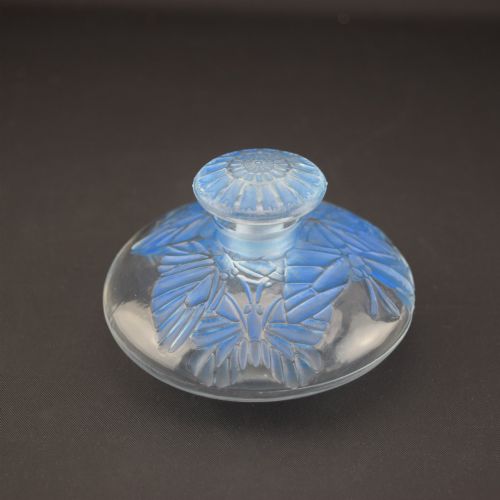
Perfume bottles served as both functional vanity items and miniature sculptures designed to display the technical mastery of the glassmaker. Owners kept them on dressing tables to hold scented oils during daily routines.
Many featured tight-fitting stoppers and delicate relief designs depicting flowers, insects, or geometric patterns. These flacons were often packaged for specific retail houses before becoming collectible display objects in their own right.
Where were car mascots placed?
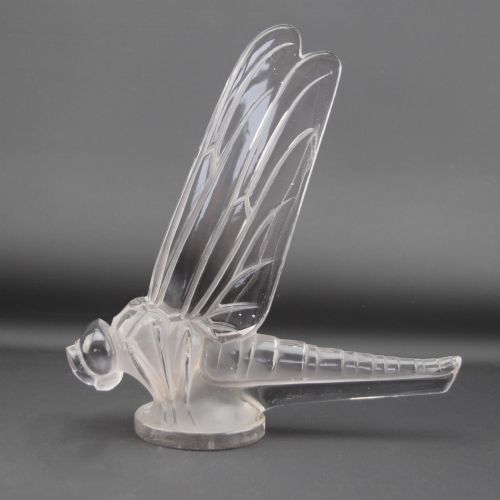
Car mascots mounted directly onto the radiator caps of luxury automobiles during the vintage motoring era. Drivers utilised them to personalise their vehicles and display striking illuminated glass forms while touring.
Because these pieces faced the elements on open roads, surviving examples often display the minor encounters of travel. Their heavy moulded construction provided the durability needed for exterior vehicle placement.
How do I identify Art Deco styles?
Art Deco pieces display strong geometric lines, stylised floral motifs, and symmetrical arrangements that contrast with the flowing asymmetry of earlier Art Nouveau work. Designers favoured structured patterns derived from nature and industrial forms alike.
This aesthetic appears across vases, clocks, and lighting fixtures, marked by disciplined relief carving and clear material contrasts. The style prioritises architectural balance and clean visual rhythms.