




Collectable Lalique Glassware
Collectable lalique glassware comprises remarkable moulded and opalescent pieces from the early twentieth century that bring unmistakable Art Deco style to any interior.
Collectable Lalique Glassware
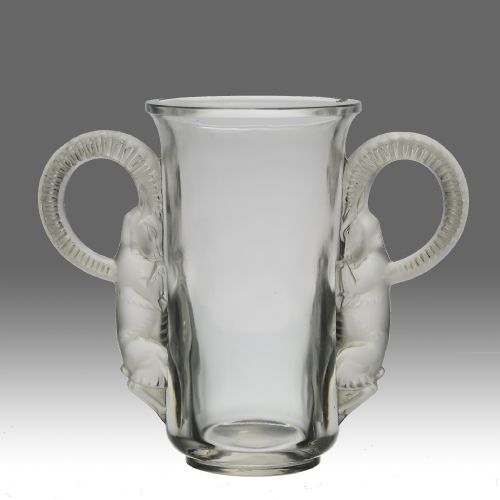
Collectable lalique glassware encompasses distinct decorative objects produced during the early twentieth century, spanning the Art Nouveau and Art Deco periods. Buyers seeking these items will encounter various forms, including vases, perfume bottles, clocks, candlesticks, and decorative plates or bowls.
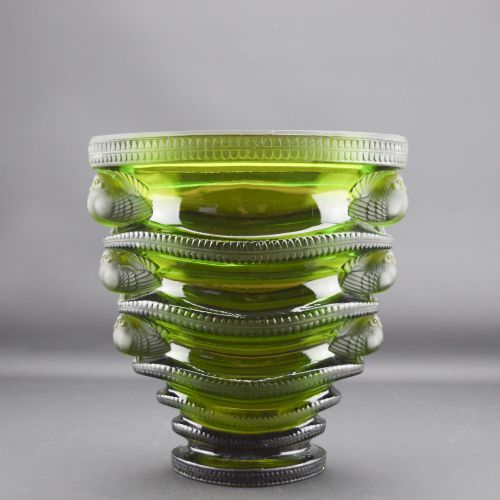
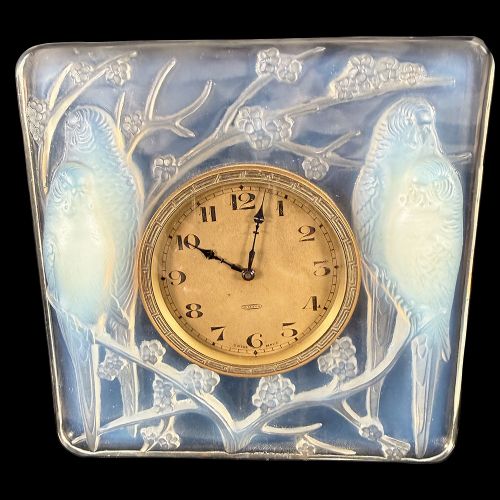
The pieces available here frequently showcase iconic designs such as the Saint-Marc, Inseparables, and Coquilles models. These items originate predominantly from the decades around nineteen twenty and nineteen thirty, reflecting the height of French moulded glass production.
Materials and Techniques
Production relies heavily on opalescent glass, frosted glass, and clear glass, sometimes enhanced with metal components, paper labels, or sepia stain. Master craftsmen utilised mould-pressing techniques to achieve the characteristic depth and tactile relief seen across these decorative vessels.
The manipulation of light through frosted and opalescent surfaces creates a dynamic visual texture that defines the work. Artisans applied contrasting stains and finishes to accentuate the intricate flora, fauna, and figurative motifs moulded into each item.
Materials documented across the inventory include opalescent, frosted, clear, and moulded glass, alongside paper, metal, and sepia stain.
Evaluating Quality and Detail
Quality in these glass objects rests on the crispness of the moulded relief and the subtlety of the opalescent effect within the material. Superior examples display sharp definition in complex motifs such as figures, fish, or foliage without losing the soft luminescence inherent in the glass.
The preservation of original surface treatments, including sepia staining and frosted contrasts, distinguishes finer pieces from standard production. The harmony between the chosen glass medium and the underlying Art Deco or Art Nouveau design dictates the standing of each item.
Rene Lalique
The Collectable Lalique Glassware Glossary
- Opalescent glass
- A type of glass that displays milky, bluish, or amber tones when lit from various angles. This effect is achieved through chemical additions during the melting process.
- Frosted glass
- Glass treated to achieve a textured, matte appearance rather than a transparent finish. It is frequently utilised to highlight relief details on decorative vessels.
- Sepia stain
- A dark pigment applied to the recessed areas of moulded glass designs to create depth and contrast. It draws out the fine lines of figurative and floral patterns.
- Moulded glass
- Glass shaped by being pressed into a metal or wooden form while molten. This technique allows for consistent production of highly ornate three-dimensional motifs.
- Art Deco
- A design style popular in the nineteen twenties and thirties characterised by stylised geometric patterns and streamlined forms. It heavily influences the majority of these glass objects.
Collectable Lalique Glassware: Frequently Asked Questions
What periods do these pieces date from?
The items originate primarily from the early twentieth century, specifically spanning the nineteen tens, twenties, and thirties.
This timeframe captures both late Art Nouveau creations and the prominent geometric aesthetic of the Art Deco movement.
How are these glass items typically used?
They serve primarily as decorative display pieces, ranging from large floral vases and centrepiece bowls to perfume bottles and clocks.
Many collectors exhibit them where natural light can pass through the opalescent or frosted surfaces to reveal their intricate details.
What materials make up these objects?
The pieces are constructed predominantly from glass, utilising clear, frosted, and opalescent variants to achieve specific visual effects.
Some items incorporate secondary elements such as metal mounts, paper components, or applied sepia stains to enhance the moulded designs.
How do I identify Art Deco styles here?
Art Deco pieces display stylised symmetry, geometric patterns, and structured motifs inspired by nature and modern machinery.
These characteristics appear clearly in the moulded relief work of plates, vases, and clocks produced during the nineteen twenties and thirties.