




French Crystal Glass Vase
A french crystal glass vase brings heavy, light-catching clarity and precise decorative moulding to a tabletop.
French Crystal Glass Vase
When you search for a french crystal glass vase, you encounter heavy decorative vessels originating from various periods including the late nineteenth century, Edwardian era, and the art deco decades of the nineteen-twenties and nineteen-thirties. These pieces range from substantial moulded vessels to large table centrepieces and decorative bowls.
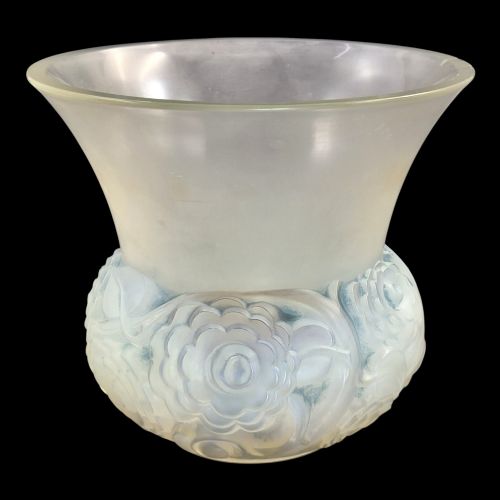
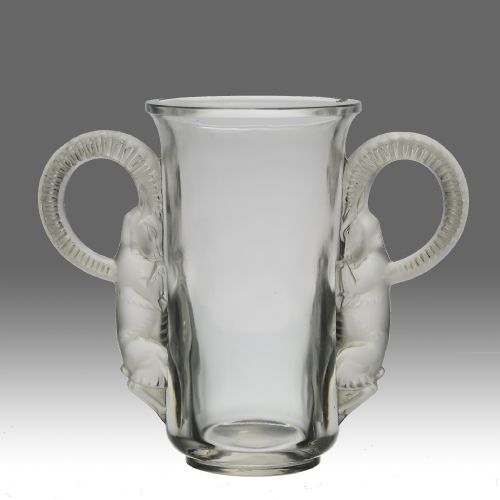
The selections on this page are most frequently represented by moulded opalescent, frosted, or clear glass creations from notable makers, alongside earlier gilt-decorated and carved wood mounted pieces. Forms extend from heavy urns and tall cylindrical vessels to multi-handled bowls and table lustres.
Originating predominantly from French glassworks and studios, these items demonstrate the distinct aesthetic shifts from floral art nouveau curves to geometric modernist etching.
Assessing quality
The distinction between tiers rests upon the depth of the glass moulding, the crispness of the etching, and the integration of secondary materials such as gilt bronze mounts or hand-painted enamel details.
Weight and balance distinguish substantial studio pieces from standard production vessels, alongside the clarity of the crystal and the definition in signature marks.
One heavy art deco crystal vessel tips the scales at over twelve kilograms, proving that French glassmakers took table weight very seriously indeed.
René Lalique·Jean Luce·Daum·St Louis glassworks·Baccarat Crystal
The French Crystal Glass Vase Glossary
- Opalescent glass
- Glass containing ingredients that cause it to milky-blue or milky-white hues in transmitted light, often shifting tone against darker backgrounds. This effect was heavily utilised in the nineteen-twenties for decorative vessels.
- Frosted glass
- Glass rendered opaque through acid-etching or sandblasting to diffuse light and create a matte surface. It provides contrast against clear sections in art deco designs.
- Table centrepiece
- A large decorative vessel or epergne positioned in the middle of a dining table. These objects often combine crystal glass bowls with stands made of carved wood or gilt bronze.
- Table lustres
- Ornamental vases fitted with hanging glass prisms intended to catch and refract candle or daylight. They appear in French opaline and crystal forms from the turn of the twentieth century.
- Paste gilt
- A decorative metallic mixture applied to glass surfaces to imitate solid gold leaf details. It requires careful firing to adhere to the crystal body.
French Crystal Glass Vase: Frequently Asked Questions
How do I identify art deco period pieces?
Art deco pieces from the nineteen-twenties and thirties generally display geometric motifs, modernist deeply etched patterns, and clear or opalescent crystal forms rather than floral curves.
Signatures or moulded marks from studios of the era further confirm the specific decade of production.
What is the difference between crystal and glass?
Crystal contains lead oxide which adds weight, density, and greater light refraction compared to standard glass.
This material allows for deeper cutting and sharper moulding seen in heavy nineteenth and twentieth century French vessels.
How should I display a large centrepiece vase?
Large centrepieces and urns require a stable, weight-bearing surface due to the substantial mass of lead crystal and mounted materials.
Positioning them away from high traffic edges protects delicate elements like gold enamel, paste gilt, and hanging prisms.
Are these items signed by makers?
Many French pieces feature moulded, acid-etched, or engraved signatures identifying the studio or glasshouse on the base or lower rim.
Unsigned pieces still indicate period styles and manufacturing techniques through their weight, material composition, and decorative motifs.