
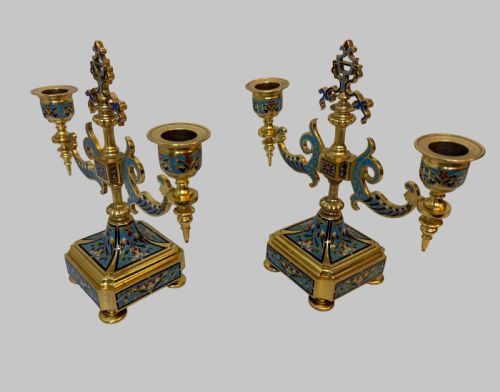


Vintage French Brass Candlesticks
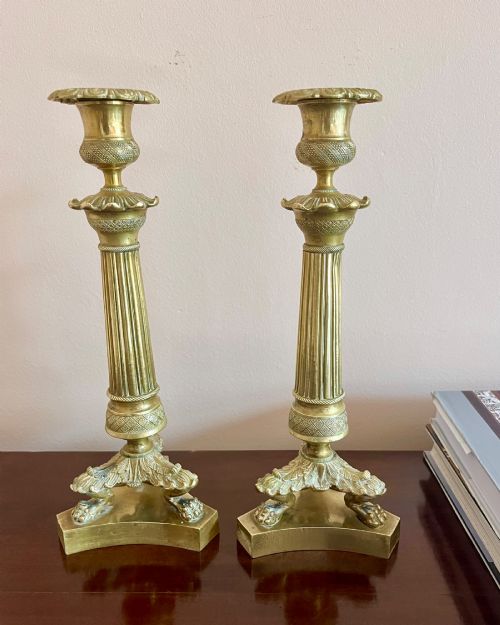
Vintage french brass candlesticks bring warmth and formal poise to a room, ranging from simple 19th-century cast brass to elaborate ormolu designs.
Vintage French Brass Candlesticks
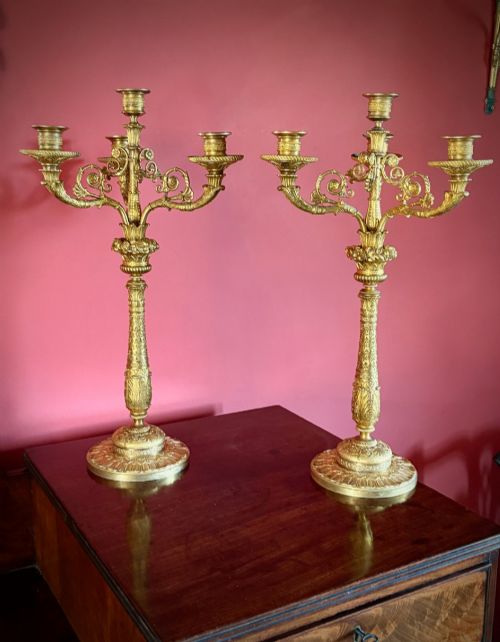
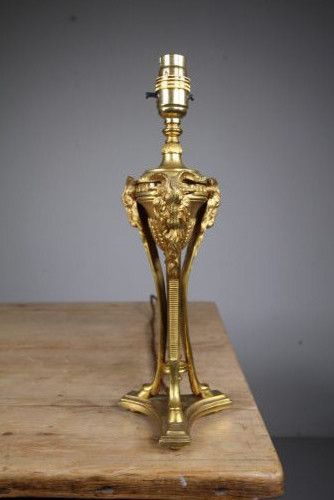
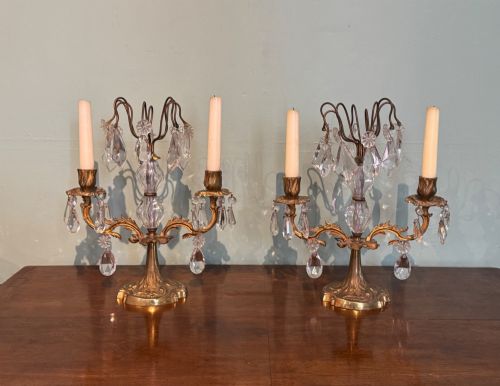
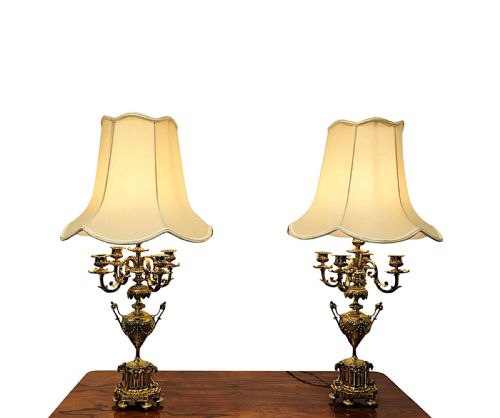
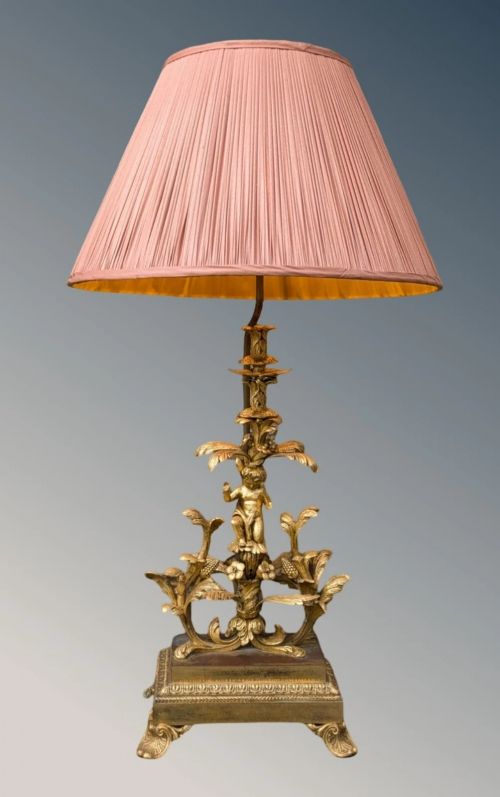
When you search for vintage french brass candlesticks, you encounter lighting fixtures and candle holders that reflect distinct periods like the 19th century, Regency, and early decades of the 1900s. These pieces span classic candlesticks, multi-arm candelabra, bouillotte lamps, and standard table lamps created from cast brass, gilt bronze, and ormolu.
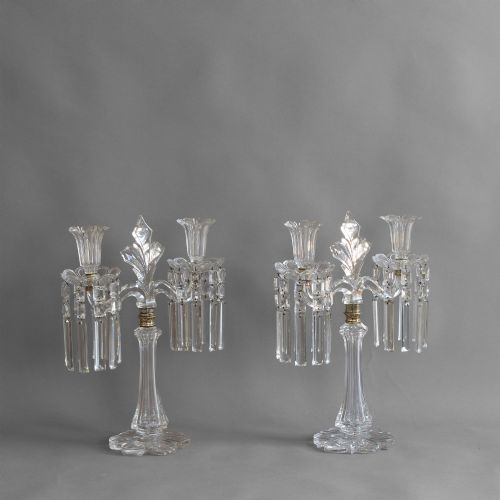
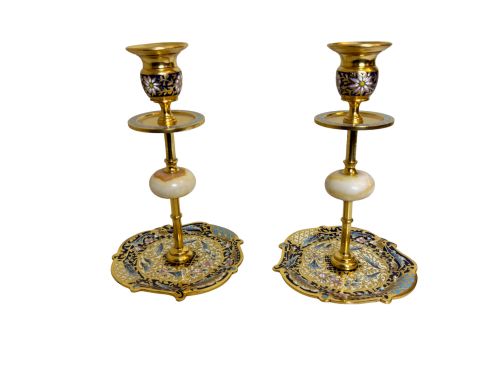
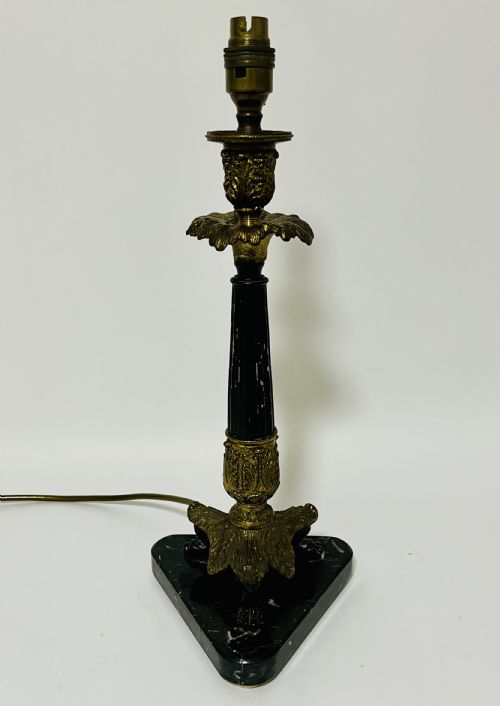
The selections on this page lean heavily into formal decorative movements, including French Empire, Louis XV and XVI styles, Rococo Revival, and Neoclassical designs. Many items incorporate subsidiary materials such as marble bases, onyx, cut glass lustres, and champlevé enamel to enhance their visual weight.
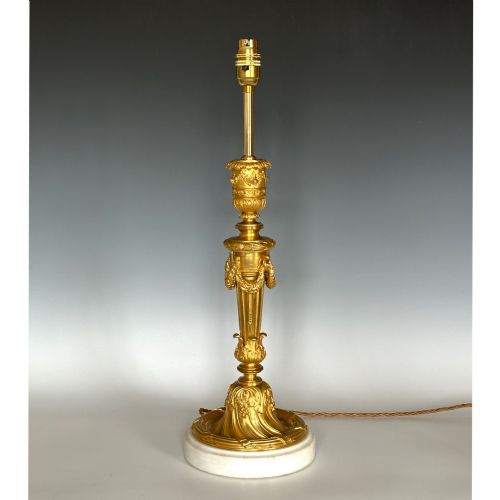
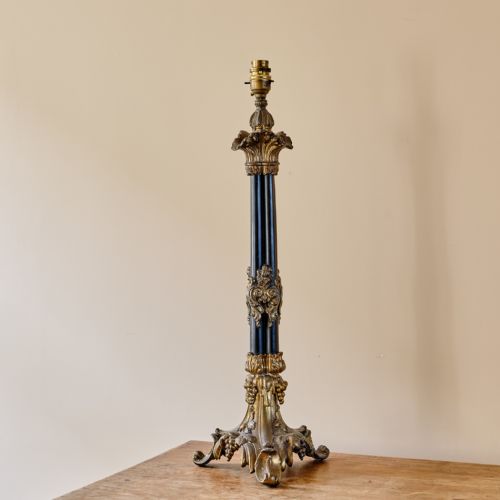
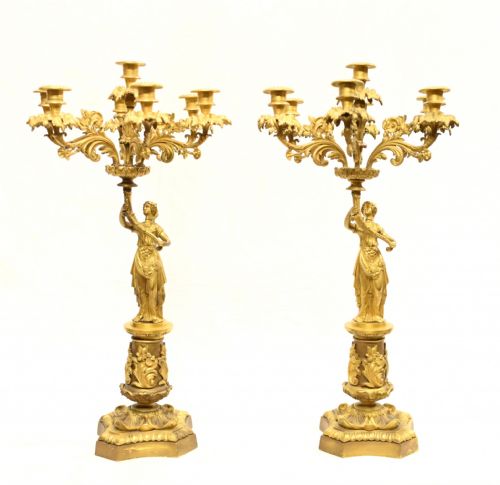
Buyers meet both standard candle holders and pieces converted to electric table lamps, reflecting how historical lighting adapts to modern interiors. The forms range from modest single-stem chambersticks to grand multi-branch candelabra bearing intricate ornamentation like rams' heads and maiden figures.
How they were made
The primary construction relies on cast brass and bronze, shaped through traditional foundry methods that allowed makers to achieve sharp surface detail and solid structural forms. Molten metal poured into moulds produced the foundational stems, bases, and arms of each candlestick or candelabra.
Many finer pieces receive a surface layer of gilt bronze or ormolu, applying gold amalgamation to create a rich, durable metallic sheen. Combinations with natural materials like white or green marble and onyx provide contrasting weights and stable footings for taller, heavier lamp conversions.
Zodiac motifs occasionally make an unexpected appearance, bringing celestial symbolism directly to the dinner table.
What varies in quality
The choice of secondary materials also dictates the tier of the piece, with solid marble bases, genuine fire-gilt ormolu, and integrated cut glass lustres elevating an object above standard brass production. Heavier gauge metalwork denotes a sturdier build that maintains structural integrity through centuries of handling and conversion.
Abel Landry
The Vintage French Brass Candlesticks Glossary
- Ormolu
- A technique of applying finely ground high-carat gold mercury amalgam to a bronze object. This process yields a warm, enduring golden finish characteristic of luxury decorative arts.
- Candelabra
- A branched candle holder designed to support multiple candles or lights from a single base. These often feature two, three, or more arms spreading outward.
- Champlevé
- An enamelling technique where troughs or cells are sunk into the surface of the metal and filled with vitreous enamel powder before firing. It creates vibrant coloured patterns alongside exposed brass or bronze.
- Bouillotte lamp
- An adjustable metal desk or table lamp featuring a central shaft, multiple candle arms, and a characteristic shade. They originated for use during card games of the same name.
- Lustre
- A cut glass pendant or prism hung from the drip pan or arms of a candelabra. These refract candle or electric light to increase the sparkle of the fixture.
Vintage French Brass Candlesticks: Frequently Asked Questions
How do I date these items?
Dating relies on stylistic clues, casting techniques, and material combinations associated with specific periods like the 19th century or Regency era. Neoclassical motifs point towards the late 18th or early 19th centuries, while heavier cast brass often suggests later Victorian production.
Examining the underside, screw types, and mounting methods also helps establish the era of manufacture. Alterations such as electrical conversions generally happened decades after the original piece was cast.
Are converted lamps still valuable?
Conversion to electricity is a common practice for antique lighting, allowing historical pieces to function safely in contemporary homes. Many buyers actively seek out items already wired for modern use.
Professional conversion that preserves the original bronze or brass body without destructive drilling maintains the integrity of the object. Collectors balance the purity of an unaltered candlestick against the practical utility of a table lamp.
How do I clean antique brass?
Gentle dusting with a soft, dry cloth is the safest way to maintain the surface without disturbing patination. Avoid harsh commercial metal polishes that strip away historical layers of gilt or ormolu.
If the piece requires deeper cleaning, a mild solution of warm water and soap applied sparingly removes accumulated grime. Protecting the original finish preserves both the visual character and the historical standing of the object.
What is the difference between ormolu and brass?
Brass is an alloy of copper and zinc, forming a golden-coloured metal that develops a natural patina over time. It can be polished bright or left to darken organically.
Ormolu refers specifically to gilt bronze, where a layer of gold is bonded to a bronze substrate. This imparts a richer, warmer lustre that does not tarnish in the same manner as bare brass.