

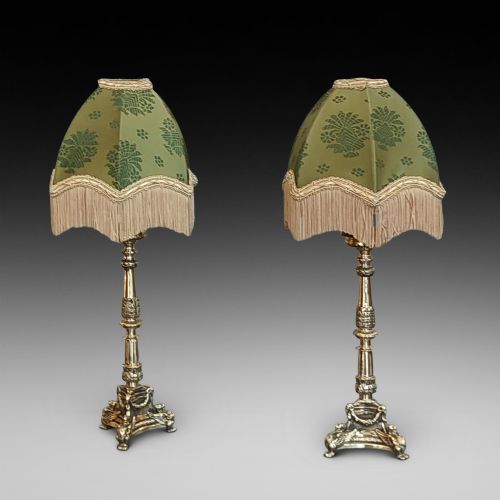
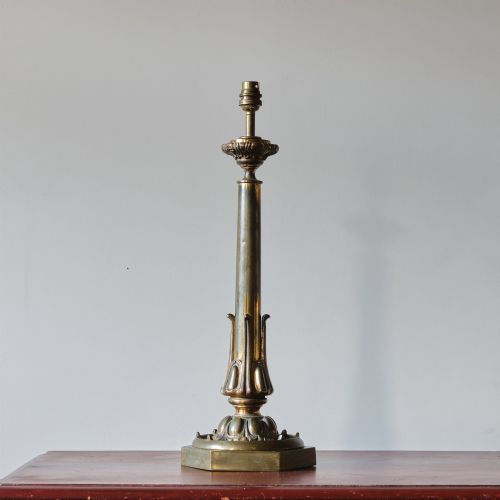
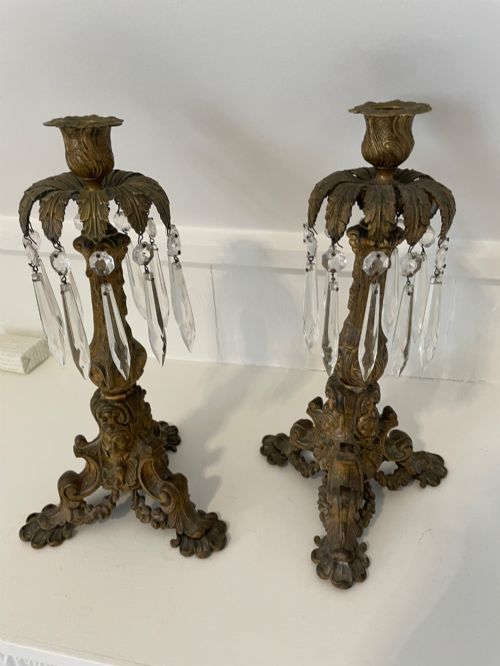
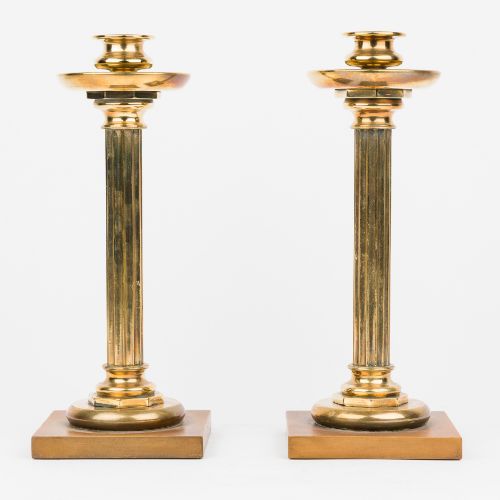
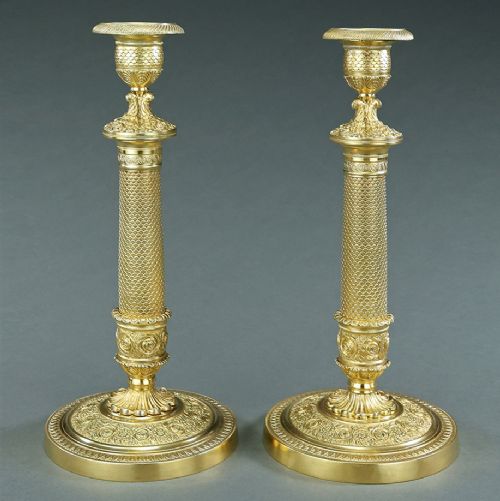
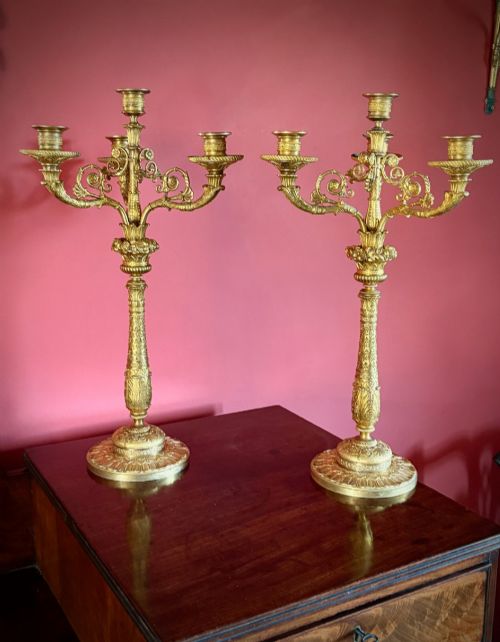
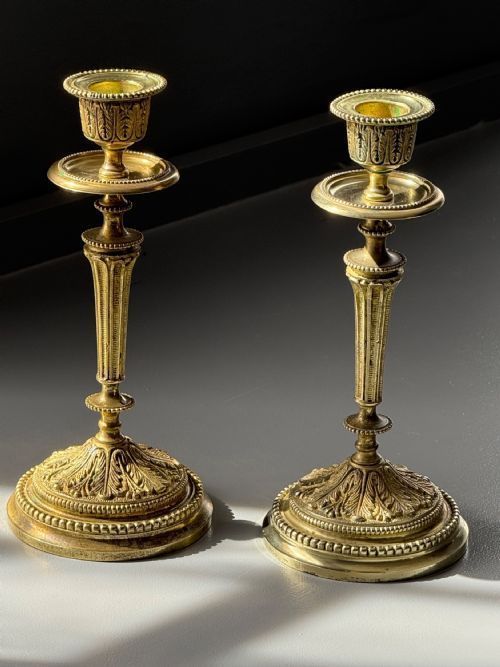
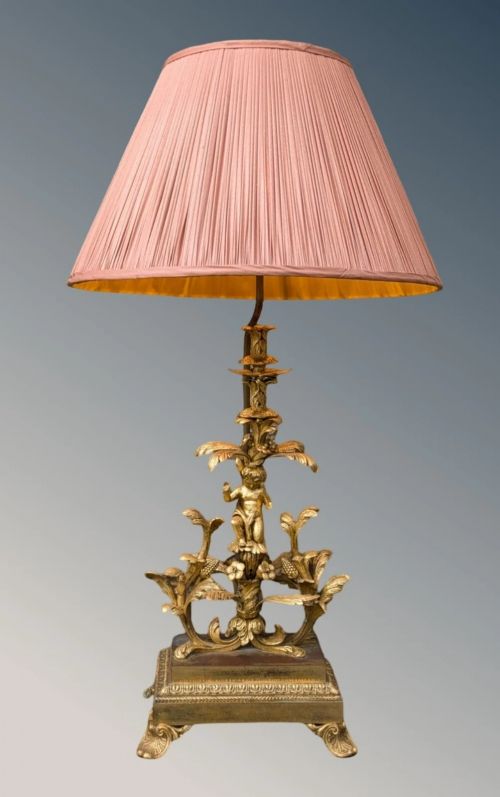

Antique Bronze Table Candlesticks
These antique bronze table candlesticks combine sculptural metalwork with functional design, bringing period lighting and classical motifs into contemporary interiors.
Antique Bronze Table Candlesticks
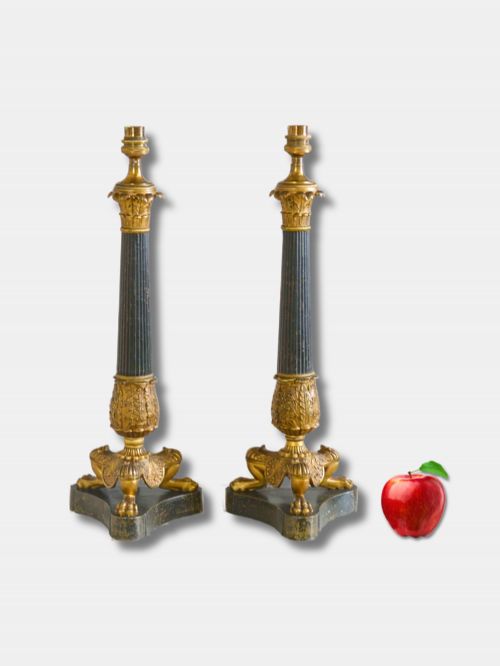
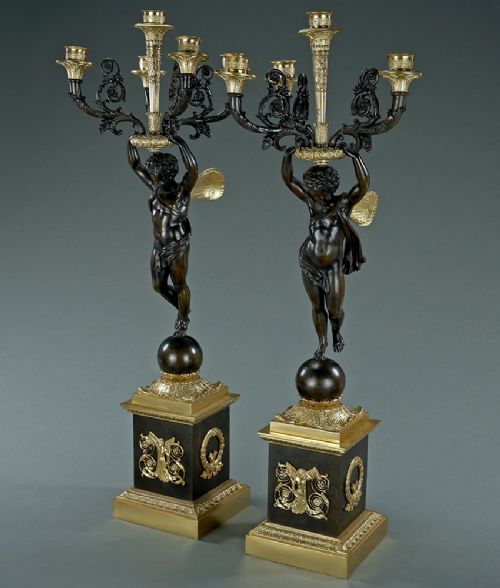
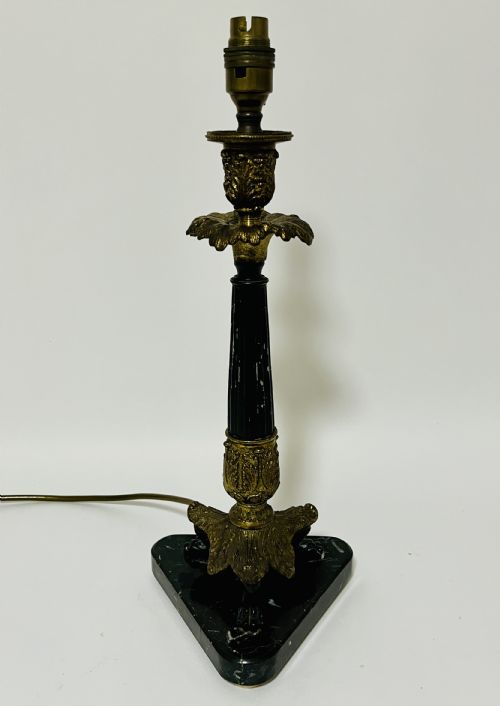
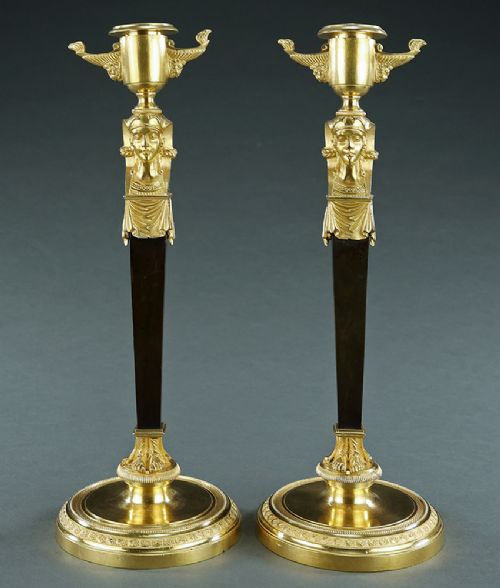
When you search for antique bronze table candlesticks, you encounter lighting devices and candle holders cast from copper alloys, often paired with related forms such as candelabra and table lamps. The selections span the eighteenth, nineteenth, and early twentieth centuries, with a strong representation of nineteenth-century French manufacture.
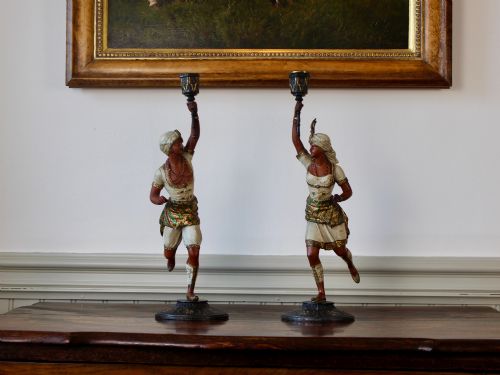
The objects take many forms, from simple classical columns and figurative supports featuring putti or caryatids to elaborate multi-light candelabra and converted lamp bases. Styles draw heavily on French Empire, Louis XVI, Regency, and Rococo designs, reflecting historical revival movements across Europe.
What varies in quality
The quality of the mercury gilt or ormolu surface layers dictates durability and visual depth. Deeper, more even gold application retains its warmth over centuries, whereas lesser finishes wear thin and expose the base metal beneath.
Antique Bronze Table Candlesticks Retail Price Guide 2026
Typical asking prices for bronze table candlesticks among the pieces listed under this phrase on Sellingantiques today, from the lower quarter to the upper quarter. They describe what is for sale here now, not the wider market.
Listings feature items from the eighteenth, nineteenth, and early twentieth centuries, alongside Victorian and Regency periods.
Galle
The Antique Bronze Table Candlesticks Glossary
- Ormolu
- A gilded bronze technique involving an amalgam of mercury and gold applied to a bronze base and heated. This process leaves a durable, rich golden surface typical of fine decorative objects from the eighteenth and nineteenth centuries.
- Patinated bronze
- Metal treated with chemical solutions to produce a controlled dark or greenish surface coloration. This finish highlights the underlying sculptural contours by creating contrast in recessed areas.
- Candelabra
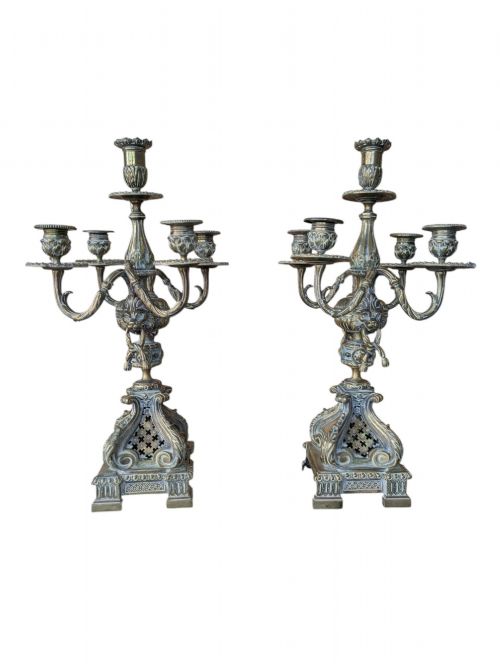
- A branched candlestick designed to hold multiple candles simultaneously. These pieces often feature removable central sections or adjustable arms.
- Garniture set
- A coordinated group of decorative objects, frequently comprising a central clock flanked by matching candelabra or vases for display on a mantelpiece or table.
- Champlevé
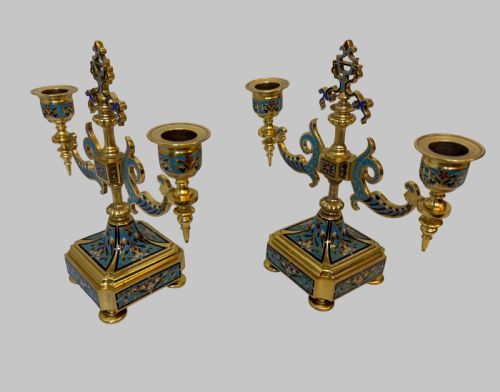
- An enamelling technique where troughs are dug into the metal surface and filled with vitreous enamel powder before firing. The resulting coloured patterns decorate the body of the candlestick.
Antique Bronze Table Candlesticks: Frequently Asked Questions
How do I identify French Empire candlesticks?
French Empire pieces typically display classical military motifs, sphinxes, laurel wreaths, and precise symmetry inspired by Napoleonic design. They frequently incorporate contrasting areas of dark patinated bronze and bright ormolu.
Look for architectural elements such as fluted columns, lions paw feet, and patinas that reflect early nineteenth-century manufacture.
Can I convert these candlesticks into lamps?
Many antique candlesticks and candelabra on the market have already been adapted to accept electrical fittings for modern table use. Some conversions preserve the original wiring channels without altering the core metal structure.
When evaluating a converted piece, consider whether the mounting method preserves the integrity of the original casting or if it requires irreversible modification.
What is the difference between bronze and spelter?
Bronze is an alloy primarily composed of copper and tin, offering high tensile strength, heavy weight, and a capacity for sharp casting detail. Spelter is a cheaper zinc-based alloy that feels lighter and softer to the touch.
Items described as spelter often date from the late nineteenth or early twentieth century and were used as a lower-cost alternative to solid bronze.
How should I clean antique bronze?
Dusting with a soft, dry cloth is usually sufficient for regular maintenance of bronze and ormolu surfaces. Avoid using abrasive metal polishes, which can strip away the historical patina or the thin layer of gold leaf on ormolu.
Professional conservation advice should be sought if deeper cleaning is required to remove accumulated grime without harming the original finish.