

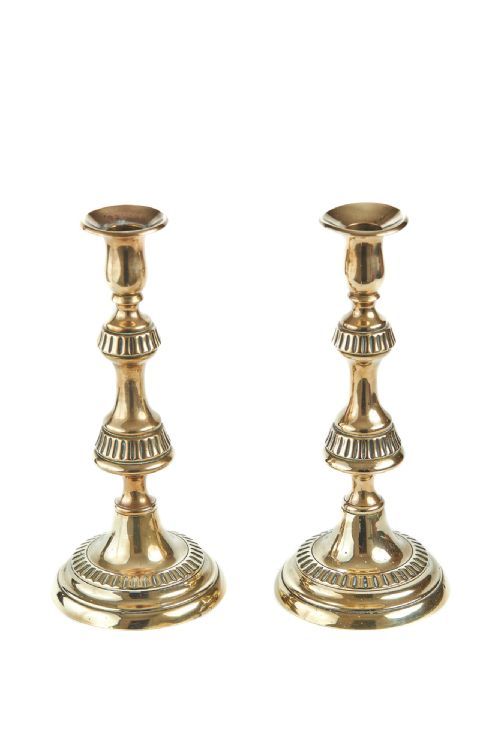


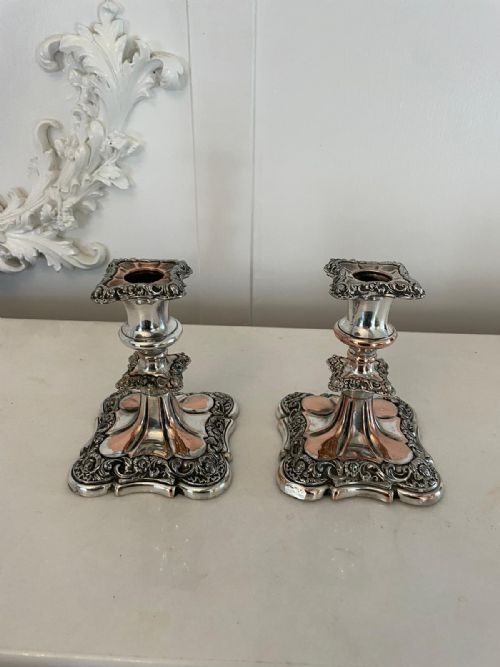

Ornate Metal Candle Stands
Ornate metal candle stands bring heavy presence and historic candlelight to a room, ranging from simple brass stems to elaborate multi-arm candelabra.
Ornate Metal Candle Stands
When searching for ornate metal candle stands, collectors look at items designed to elevate tapers and multi-flame lights across several historic periods. The selection on this page centres on standard candlesticks and multi-arm candelabra spanning the eighteenth, nineteenth and twentieth centuries.
The objects take various forms, including tall table lights, standard lamps, and figural supports. Brass and bronze pieces dominate the offerings, often reflecting Regency, Victorian, and Rococo Revival design vocabularies.
Origins stretch from English workshops to Venetian and French makers, incorporating materials like silver plate, ormolu, and alabaster alongside cast metal. Buyers encounter pairs and larger sets intended for formal mantelpieces and side tables.
How they were made
The manufacture of these stands relies heavily on casting techniques, utilising brass, bronze, and gilt bronze to achieve intricate decorative relief. Molten metal poured into moulds allowed makers to produce elaborate scrollwork, floral motifs, and figural elements characteristic of the Rococo and Baroque styles.
Surface finishes include patinated metal, silver plating, and ormolu applications that enhance the visual depth of the cast details. Workshops also combined metals with other substances like alabaster to create contrasting textures within a single standard.
What varies in quality
Quality in these pieces depends largely on the crispness of the casting and the weight of the metal utilised. Superior examples display sharp relief in ornamental details without smoothing or softening from worn moulds.
The cohesion of design and the integrity of construction also separate the finest items from standard production. Matching sets and pairs where every component aligns in proportion and finish command greater attention.
The Ornate Metal Candle Stands Glossary
- Ormolu
- A gilded bronze finish applied to decorative metalwork. This technique creates a rich gold-coloured surface popular in French revival pieces.
- Candelabra
- A branched candlestick holder designed to support multiple tapers simultaneously. These items often feature removable arms or central finials.
- Patinated metal
- Metal treated to produce a darkened or aged surface coating. This finish highlights the underlying contours and relieves the brightness of raw brass.
- Sheffield plated
- A method of fusing a thin layer of silver to a copper base. This technique appears on nineteenth-century tableware and lighting accessories.
Ornate Metal Candle Stands: Frequently Asked Questions
How do I clean ornate brass candlesticks?
Maintenance requires gentle dusting with a soft cloth to preserve the existing surface patina. Avoid abrasive polishes that strip historic finishes from cast metal.
For silver-plated items, use specialised silver care applied sparingly. Keep wax accumulation away from delicate scrollwork and socket interiors.
What is the difference between a candlestick and a candelabra?
A candlestick holds a single taper candle upon a vertical stem and base. Its primary function is focused illumination for a specific spot.
An electric or wax-burning candelabra supports multiple arms branching from a central column. These provide broader illumination and heavier decorative presence.
Where should I place these stands in a room?
These items suit mantelpieces, sideboards, and occasional tables where their height adds vertical interest. Paired arrangements work well framing mirrors or focal furniture pieces.
Ensure stable surfaces that can support the considerable weight of cast bronze or plated metal. Keep them clear of heavy foot traffic to prevent accidental tipping.
How can I tell the period of a metal stand?
Dating relies on stylistic clues such as the symmetry of Regency designs or the extravagant curves of Rococo Revival pieces. Material choices, including early Sheffield plate or specific brass casting methods, offer further chronological markers.
Examine construction seams and base weights for signs of nineteenth-century or earlier manufacturing techniques. Makers' marks, where present, help pinpoint specific eras.