

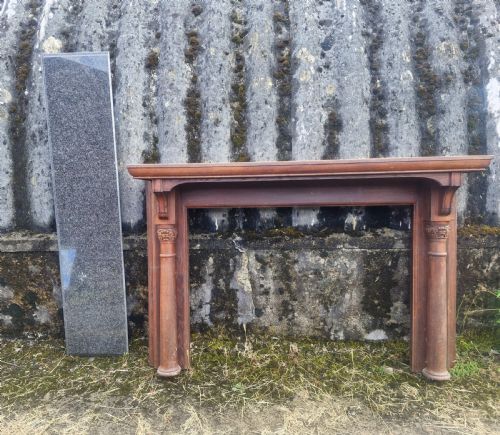
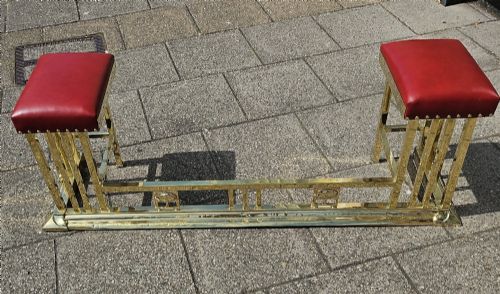
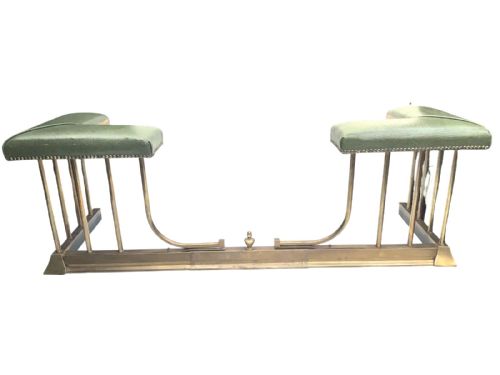
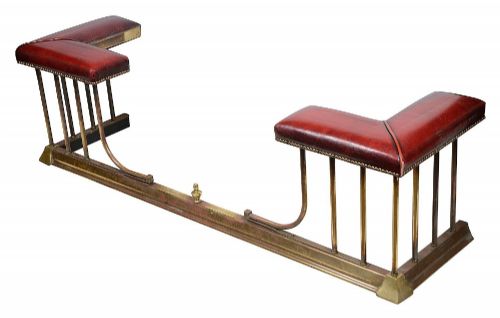
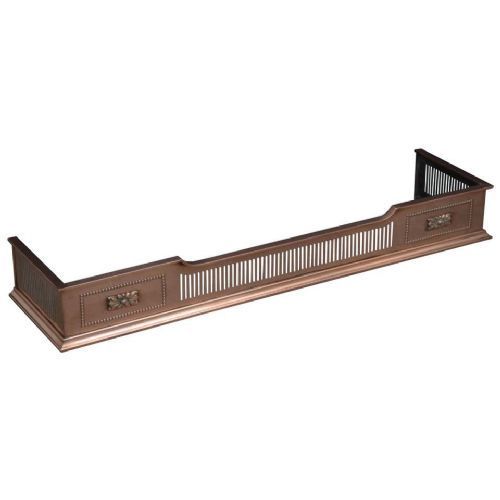


Vintage Fireplace Hearth Surround
A vintage fireplace hearth surround grounds the room with period weight, bringing functional metalwork and upholstered seating to the hearth.
Vintage Fireplace Hearth Surround
When you search for a vintage fireplace hearth surround, you encounter a robust selection of fenders, curbs, and club seats designed to frame domestic hearths. The pieces span the Victorian, Edwardian, and Art Deco eras, capturing the architectural shifts from ornate mid-nineteenth-century cast metal to early twentieth-century geometric forms.
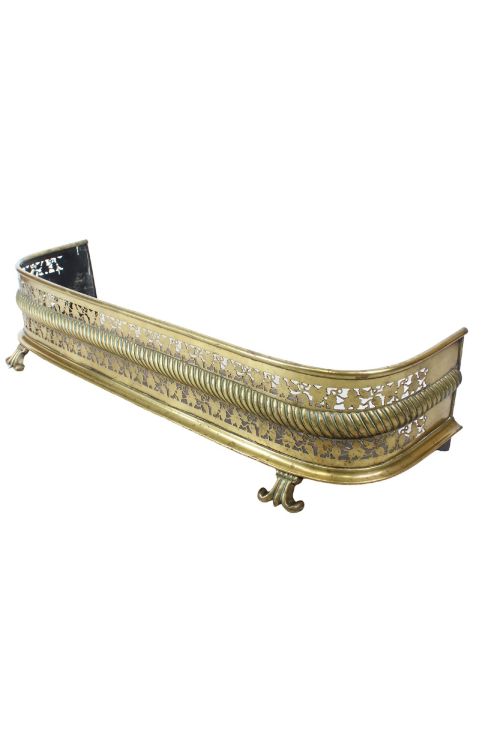
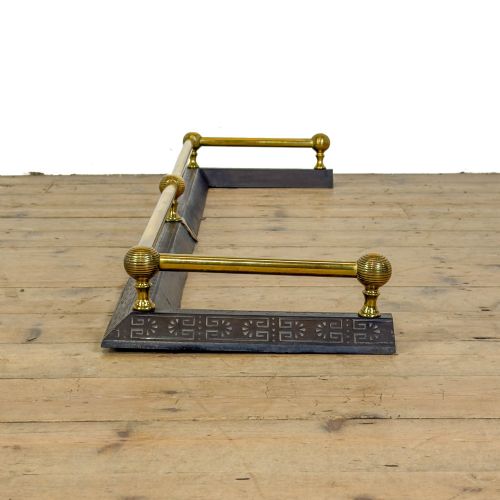
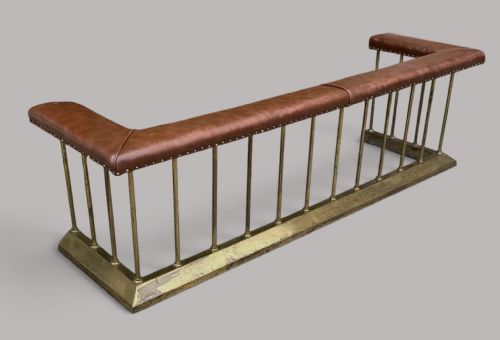
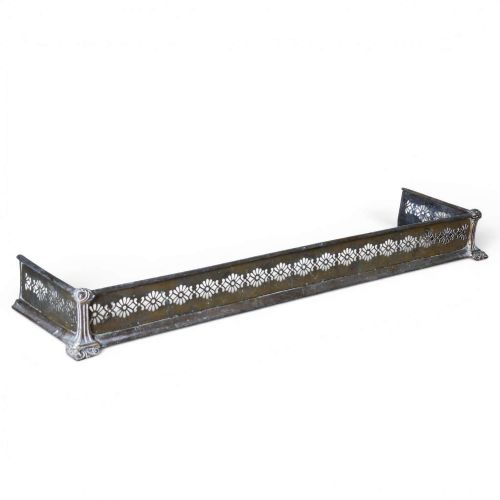
Brass and steel fenders dominate the available forms, often featuring pierced galleries, adjustable frames, or integrated leather seats. Examples range from simple nineteenth-century iron curbs to substantial club fenders upholstered in tan or green leather.
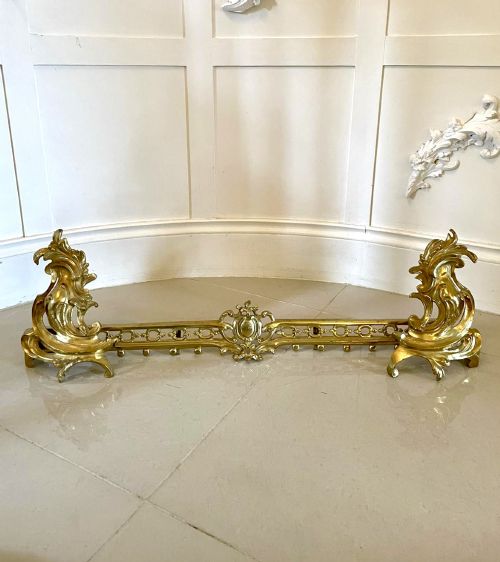
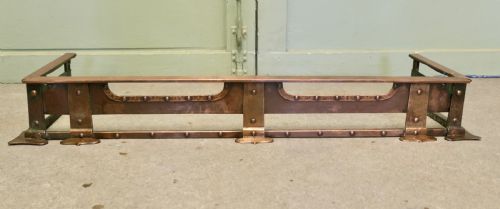
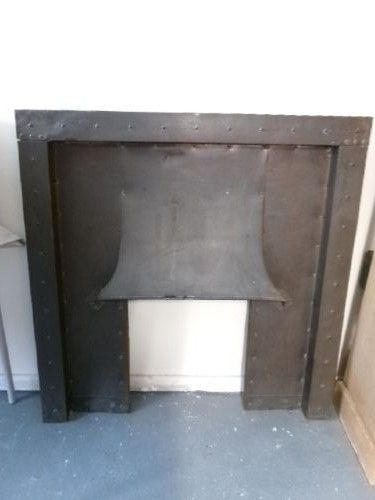
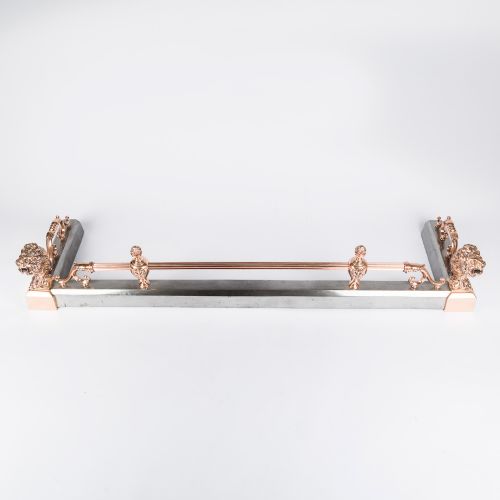
Stylistic variety runs from Arts and Crafts beaten copper to Louis XVI neoclassical brass and French Rococo flourishes. Buyers frequently meet extendable brass frames alongside fixed copper fire fronts complete with hood canopies.
Materials and construction techniques
Makers utilised heavy structural metals including cast iron, steel, brass, bronze, and copper to withstand intense hearth heat. Brass components were frequently pierced, cast, or gilded, whilst copper surfaces displayed riveted construction or hand-beaten patera decoration.
Upholstered club variants combined metal frames with mature leather seats, often incorporating tufted Chesterfield styling and durable wooden internal structures like oak. Rivets, beaded decoration, and applied flower motifs completed the assembly of these functional architectural fixtures.
Assessing quality in hearth surrounds
Quality rests in the weight of the metal gauge and the crispness of decorative chasing, piercing, and repoussé work. Finer examples display solid bronze or heavy brass construction rather than thin plated alternatives, accompanied by substantial hand-riveted joints.
Upholstered seating sections separate standard production from superior pieces, with high-quality club fenders featuring thick, well-stitched leather and sturdy internal joinery. The integrity of adjustable extension mechanisms and the depth of natural metal patination further distinguish finer specimens.
The Vintage Fireplace Hearth Surround Glossary
- Club fender
- A low metal frame surrounding a hearth, fitted with cushioned seats on top. This form allowed people to sit close to the fire while keeping sparks contained.
- Patera
- A circular ornamental bas-relief resembling a classical libation dish. Makers applied these floral or geometric roundels to decorate copper and brass fender rails.
- Pierced brass
- Metal sheet perforated with decorative patterns using saws or punches. This technique lightened the visual weight of nineteenth-century fender galleries.
- Fire curb
- A low boundary barrier marking the edge of the hearth. It keeps ash and embers contained within the fireplace opening.
- Arts and Crafts
- A design movement prioritising handcraftsmanship and visible construction methods. Pieces from this tradition often exhibit beaten copper surfaces and honest riveted joints.
Vintage Fireplace Hearth Surround: Frequently Asked Questions
How do I measure for a club fender?
Measure the width and depth of your existing hearth stone, leaving clearance for fire irons and floor surrounds.
Take into account whether you require a fixed model or an adjustable extending brass frame to achieve the correct fit.
What is the difference between a fender and a surround?
A fender sits flat on the floor as a low barrier enclosing the hearth space.
Surrounds and fireplace inserts frame the vertical opening of the chimney breast itself.
How should I clean antique brass and copper?
Dust regularly with a dry cloth to preserve the developed historical patination on the metal surface.
Avoid harsh chemical polishes that strip away the aged character accumulated over the centuries.
Are club fender seats comfortable?
Club fenders were traditionally built as fireside benches upholstered in durable leathers like tan or green hide.
They provide firm, supportive seating positioned at an optimal height for warming feet near the hearth.