

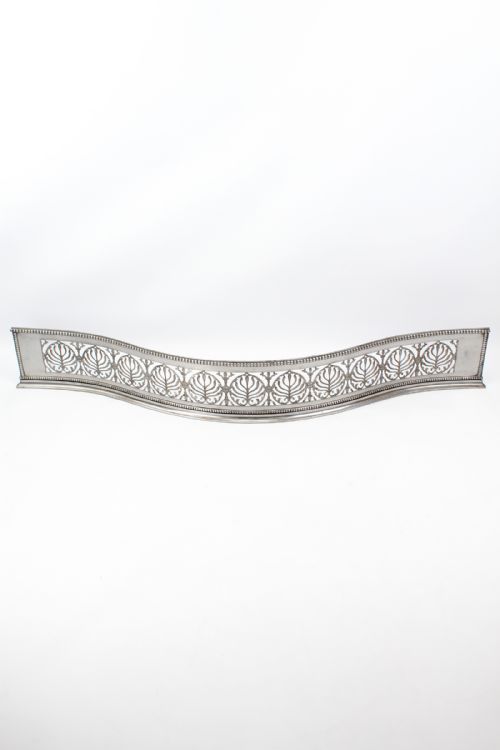


Pierced Metal Fire Fender
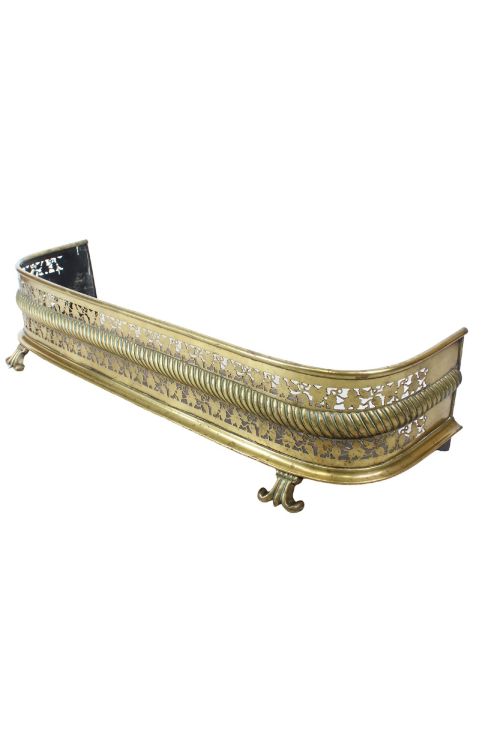
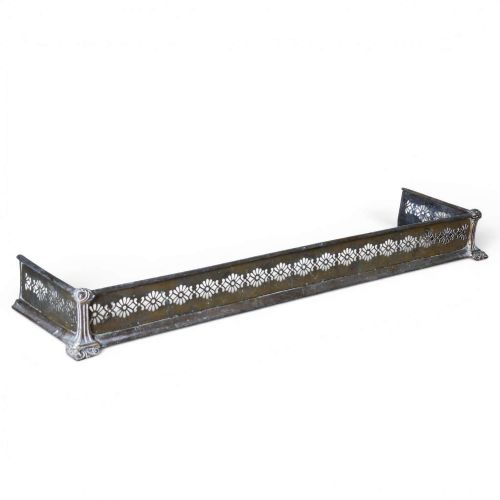
These pierced metal fire fenders frame the hearth in brass, steel, and iron, offering both structural protection and decorative elegance.
Pierced Metal Fire Fender
A pierced metal fire fender sits directly on the hearth to contain stray embers and define the fireplace boundary. When searching for a pierced metal fire fender, a buyer encounters forms spanning the Georgian, Regency, Victorian, and Art Nouveau periods.
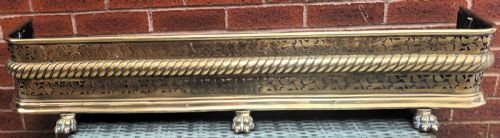
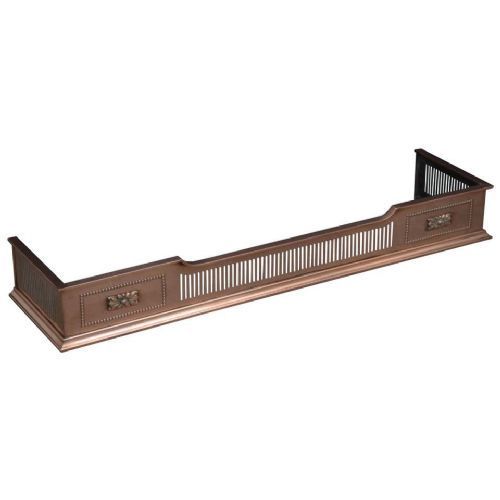
The pieces available here appear in brass, steel, iron, and copper. Brass and polished steel predominate, often detailed with engraved motifs, flower patera, or dragon detail.
Most examples date from the nineteenth century, including specific Victorian and Georgian iterations. These accessories function as both practical hearth curbs and decorative room centrepieces.
How they were made
Blacksmiths and metalworkers shaped these objects using brass, steel, iron, and copper. Piercing techniques created intricate patterns through the heavy sheet metal of the kerb.
Makers combined materials such as brass and polished steel within single pieces, adding applied decoration like flower patera and beaded borders.
The listings span the Georgian, Regency, Victorian, and Art Nouveau styles, constructed primarily in brass, steel, iron, and copper.
What varies in quality
The distinction between standard items and superior examples lies in the crispness of the pierced metalwork and the weight of the brass or steel used. Serpentine fronts and engraved steel require advanced metalworking skill to execute cleanly.
Patina and surface finish differentiate the better survivors from heavily polished or neglected pieces. Integrated decorative elements, such as flower and dragon detail, indicate higher ambition in the original workshop.
The Pierced Metal Fire Fender Glossary
- Kerb
- An alternative term for a fire fender, denoting the low metal barrier enclosing the hearth. It keeps coal and ash contained.
- Serpentine
- A gently undulating, wave-like curved front line found on finer Georgian steel fenders. This shape softens the rigidity of the hearth.
- Patera
- A circular ornamental bas-relief resembling a classical disc, frequently seen featuring flower designs on Victorian copper and brass fenders. It breaks the plain expanse of the metal.
- Polished steel
- Steel finished to a bright, reflective sheen. It requires careful maintenance to prevent oxidation.
Pierced Metal Fire Fender: Frequently Asked Questions
How do I measure for a fire fender?
Measure the width and depth of your hearth space to ensure the fender sits correctly around the fireplace opening. Take allowance for hearthstones and clearance.
Check whether your fireplace has a straight or serpentine front to match the profile of the fender accurately.
Can I use an antique fender with a modern fire?
These metal fenders function effectively around gas and electric hearths just as they did with solid fuel grates. They act primarily as a physical barrier and decorative frame.
Ensure the dimensions suit the heat output and clearance requirements of your specific installation.
How do I clean polished steel and brass?
Maintain brass and polished steel using appropriate metal polishes applied sparingly with soft cloths. Avoid abrasive pads that scratch historical surfaces.
Preserve the existing patination by cleaning only when necessary to remove active tarnish or dirt.
What is the difference between a Georgian and Victorian fender?
Georgian and Regency fenders often employ engraved steel with serpentine fronts, reflecting neoclassical tastes. They tend to feature restrained geometric or linear piercing.
Victorian examples introduce heavier brass construction, industrial looks, and varied motifs like flower patera or Art Nouveau styling.