

Antique Brass Hearth Fender
An antique brass hearth fender anchors a Victorian fireplace, bringing polished metalwork and safety to the hearth.
Identifying an antique brass hearth fender
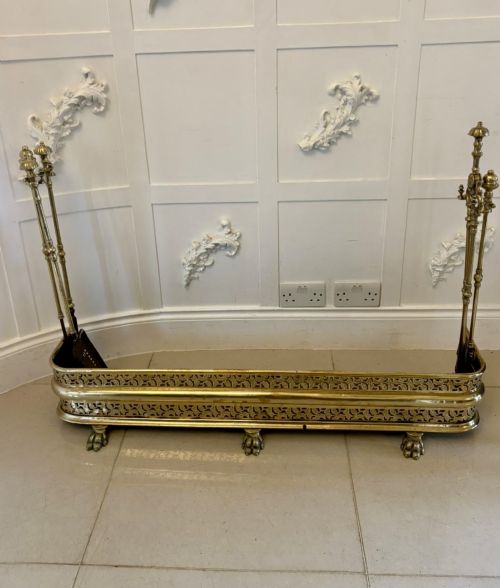
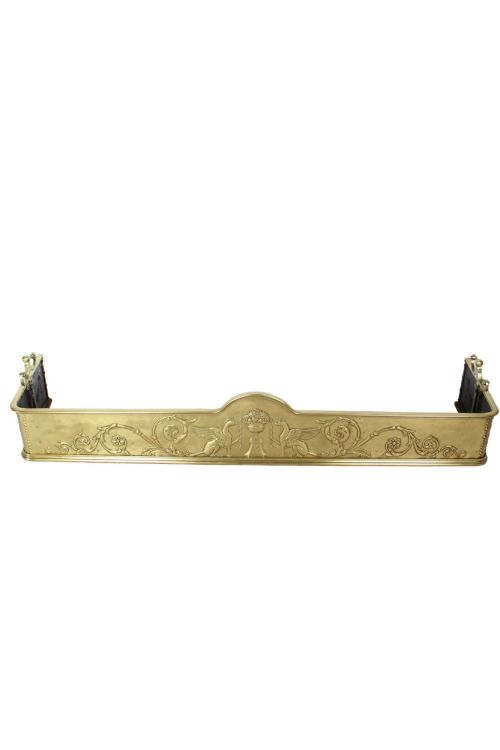
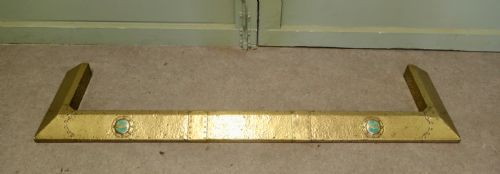
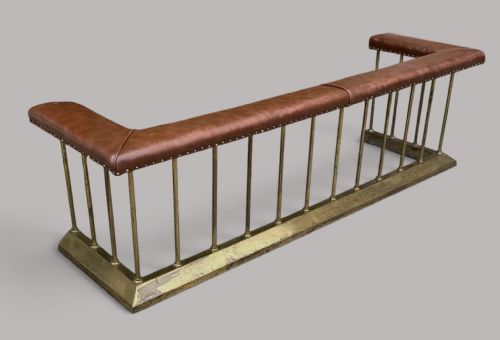
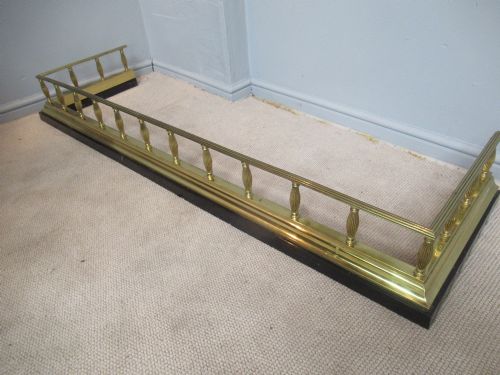
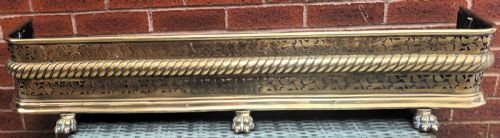
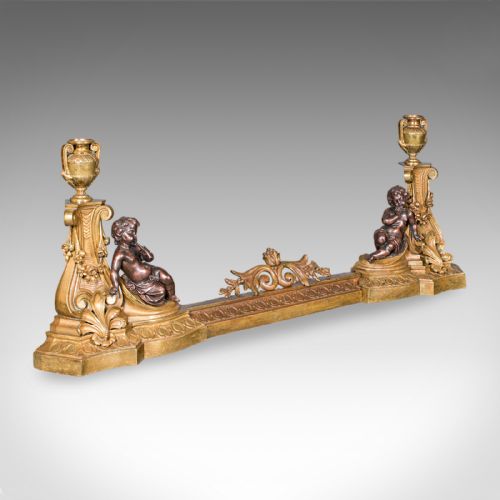
An antique brass hearth fender sits on the floor directly in front of an open fireplace to contain embers and frame the hearth. The examples appearing on this page date from the Victorian period, including specific years such as eighteen sixty and eighteen eighty.
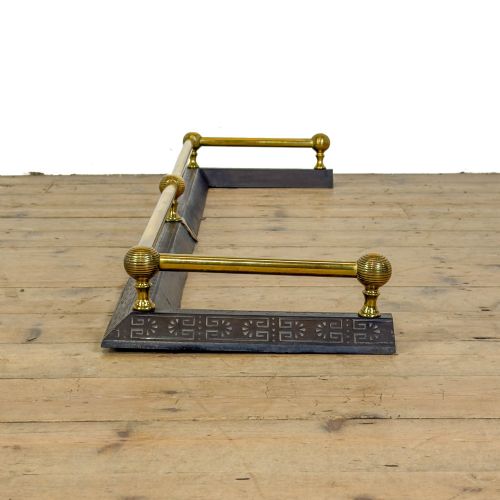
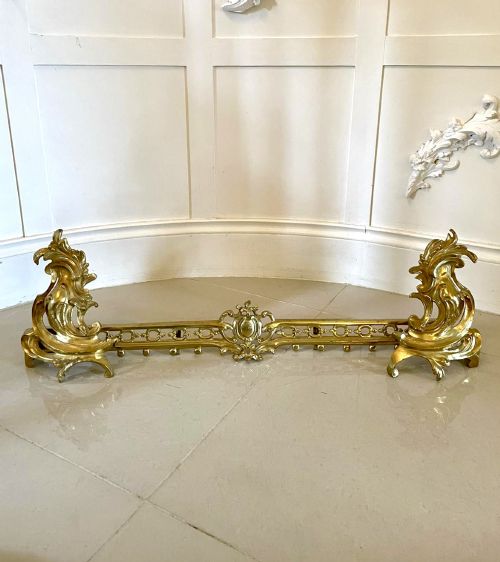
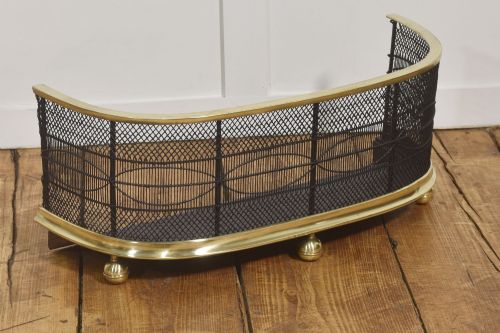
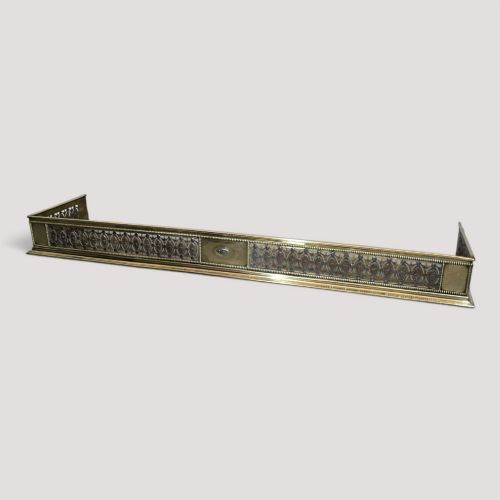
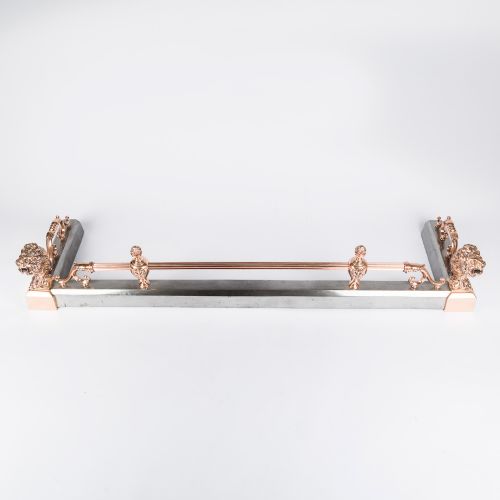
Forms range from simple fire kerbs and adjustable fire curbs to ornate nursery fenders incorporating wire mesh. These pieces serve both a decorative and a protective function in period rooms.
Originating in English workshops, these items utilise traditional metalworking techniques appropriate for nineteenth-century domestic settings.
Materials and construction
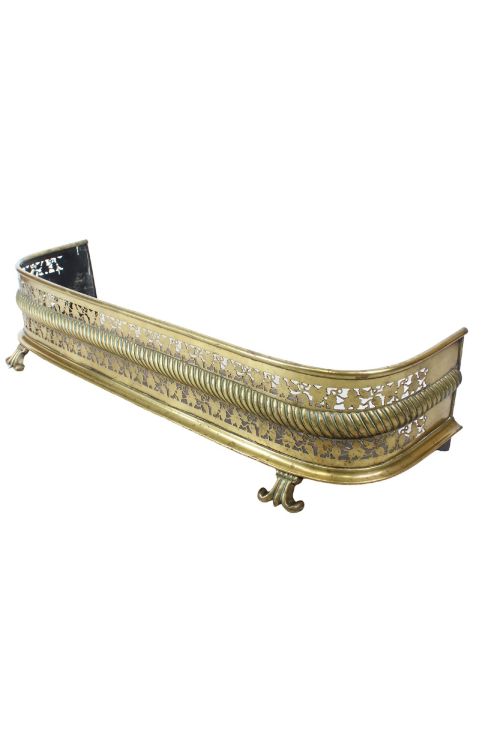
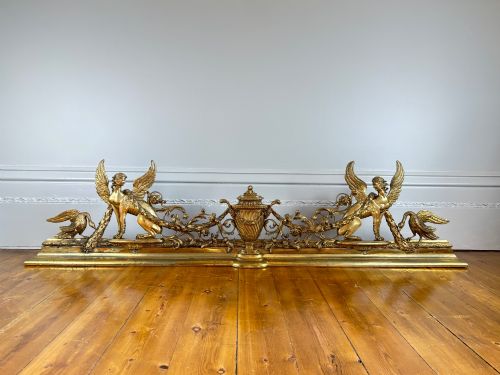
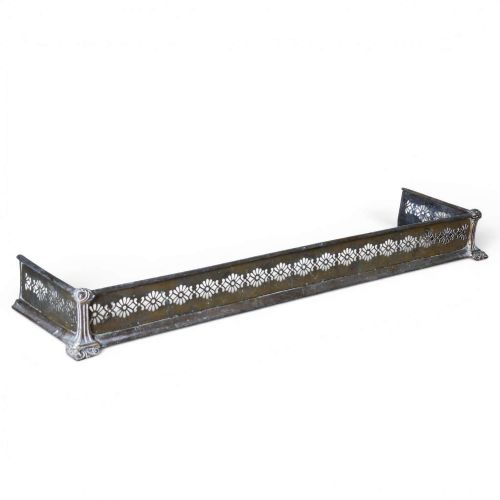
Makers constructed these objects using brass, cast brass, sheet brass, and ormolu, occasionally combining them with wrought iron and wire mesh. Pierced sheet metal and moulded elements form the decorative panels of the frames.
Certain models feature adjustable mechanisms allowing the kerb to fit various fireplace widths. Polished finishes highlight the metallic surfaces of the brass and ormolu components.
Retail Price Guide 2026
Typical UK retail prices for brass hearth fender, calculated from the Sellingantiques database of over a million retail prices indexed since 2003. This retail price guide relies exclusively on Sellingantiques data; no external sources or auction records are used, so the figures do not describe the wider market.
Wire mesh nursery fenders offered Victorian parents peace of mind while keeping small fingers safely away from hot coals.
Distinguishing quality in period metalwork
Quality appears in the crispness of the pierced patterns, the weight of the cast components, and the refinement of the moulded brass details. Ornate Victorian examples demonstrate intricate workmanship across the visible surfaces.
The choice of materials, such as heavy cast brass versus lighter sheet brass, dictates the structural substance of the fender. Intact wire mesh panels on nursery variants indicate better preservation of functional elements.
The Antique Brass Hearth Fender Glossary
- Fender
- A low metal guard placed around a hearth to keep burning coals and sparks from spilling onto the floor. These items define the boundary of the fireplace.
- Ormolu
- Gilded bronze or brass applied to decorative objects and furniture fittings. This material provides a bright, golden finish.
- Nursery fender
- A tall protective guard, often incorporating wire mesh, designed to keep children safely away from the open fire. Victorian nurseries utilised these structures for domestic safety.
- Fire kerb
- A low border enclosing the hearth area without the full enclosure of a traditional fender. This style creates a clean perimeter for the fireplace.
Frequently Asked Questions
What is a nursery fender?
A nursery fender is a taller protective guard featuring wire mesh panels designed to keep children safely away from the flames.
These pieces reflect the domestic safety requirements of nineteenth-century homes while maintaining a brass construction.
How do adjustable fenders work?
Adjustable fire curbs feature sliding sections that expand or contract to fit different hearth widths.
This mechanical design allowed nineteenth-century homeowners to adapt a single fender to various fireplace openings.
What metals are used in these fenders?
Makers utilised brass, cast brass, sheet brass, and ormolu, occasionally pairing them with wrought iron.
These materials were polished to create the bright metallic appearance characteristic of Victorian firesides.
How do I date an antique fender?
Dating relies on stylistic clues, construction methods, and period-specific materials recorded in Victorian manufacturing.
Markings and design traits help place these hearth accessories within the nineteenth century.