




Antique Metal Fireplace Curb
An antique metal fireplace curb frames the hearth with weight and structure, containing stray embers while anchoring the room.
Antique Metal Fireplace Curb
When searching for an antique metal fireplace curb, collectors encounter heavy hearth barriers designed to protect floorboards from sparks. These pieces span Georgian, Victorian, and Edwardian periods, appearing in forms ranging from simple straight rails to elaborate serpentine fronts.
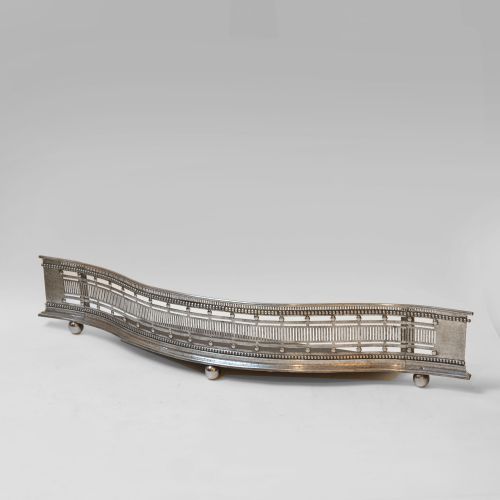
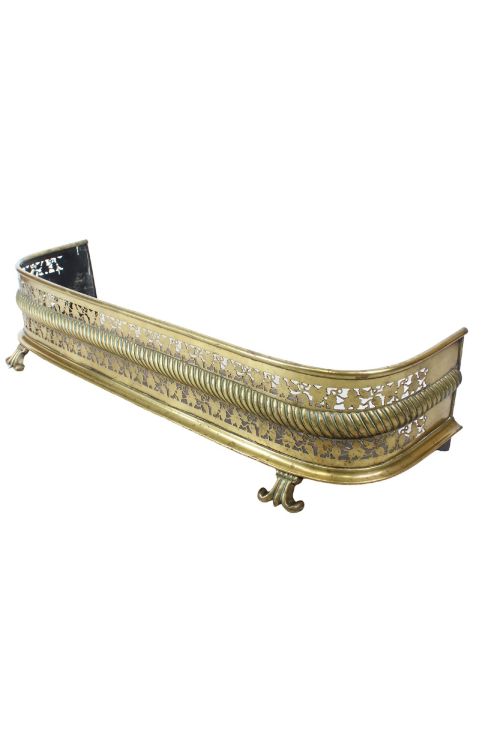
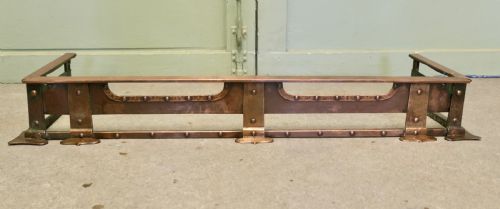
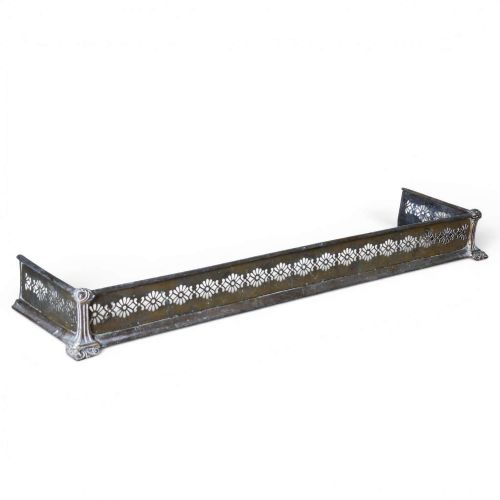
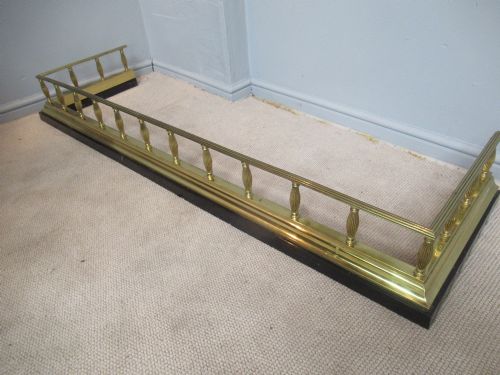
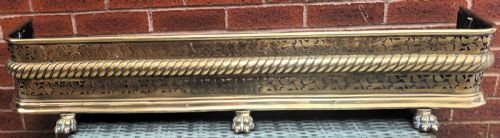
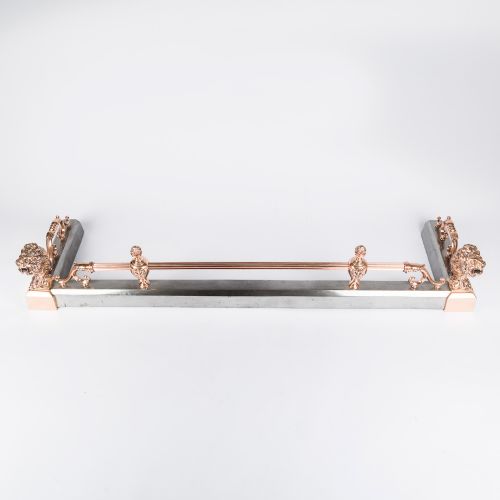
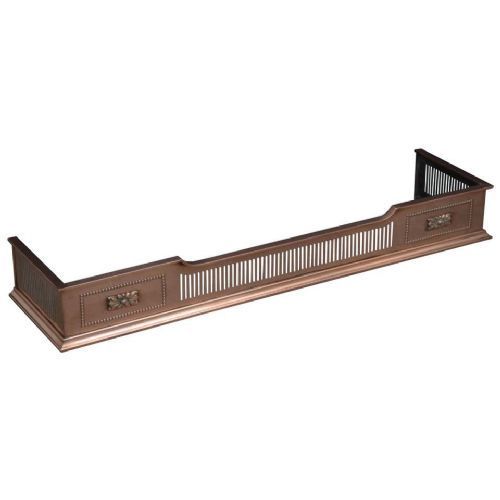
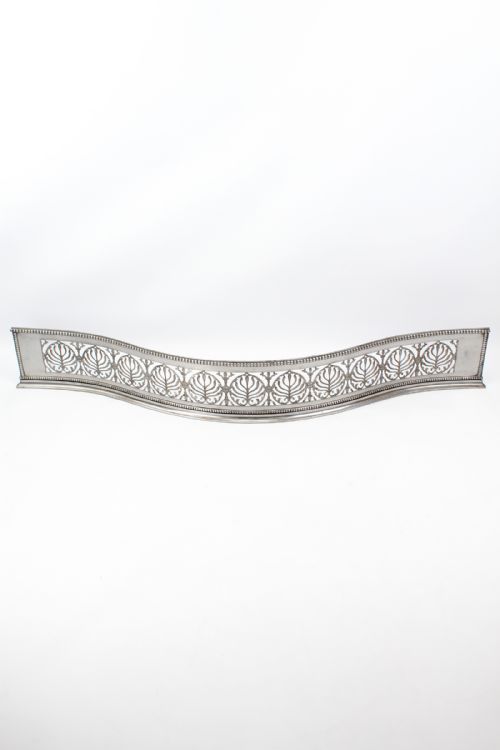
The version most commonly met on this page is the Victorian pierced brass fender, often featuring intricate cutwork or combination frames of brass and iron. Georgian iterations favour polished steel with linear engraving, while later Edwardian examples lean into the beaten copper aesthetics of the Arts and Crafts movement.
Materials and construction methods
Makers utilised a combination of sheet brass, cast iron, and wrought steel, sometimes pairing polished steel bodies with decorative brass galleries or feet. Riveting and piercing techniques define the construction, particularly in copper and brass examples where panels were hand-punched with geometric or floral motifs.
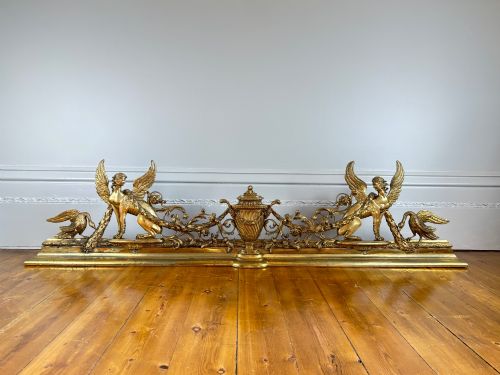
Foundries employed casting for heavier iron components and corner mounts, while finer steel curbs involved forging and careful hand-polishing. Gilt bronze and parcel-gilt details appear on high-status French and neoclassical imports, requiring precise metal chasing.
Some Victorian and Georgian curbs feature integrated guards designed specifically to keep slumbering hounds at a safe distance from spitting coals.
Distinctions in execution and design
The distinction between standard production and superior work rests on the crispness of the piercing and the weight of the metal gauge. Finer curbs exhibit deep, precise hand-chasing on floral patera and lion motifs rather than shallow machine stamping.
Structural integrity also separates grades, with top-tier examples retaining original heavy corner brackets, solid cast bases, and unwarped steel frames. The quality of the finish, whether patinated copper or bright polished steel, dictates the visual presence of the piece in the hearth.
E F Caldwell New York
The Antique Metal Fireplace Curb Glossary
- Fender
- A low metal guard placed around the hearth to contain coal and ash. It doubles as a physical barrier for the fireplace opening.
- Patera
- A circular ornamental disk carved or stamped with a rosette or floral pattern. This motif frequently decorates the corners of Victorian brass curbs.
- Serpentine
- A curved front shape following a concave-convex-concave line. Georgian steel curbs often utilise this undulating profile for elegance.
- Pierced
- Metalwork perforated with decorative patterns using saws or punches. Victorian brass fenders make extensive use of this technique.
Antique Metal Fireplace Curb: Frequently Asked Questions
How do I measure for a fireplace curb?
Measure the width and depth of your hearth stone to ensure the curb sits comfortably within the perimeter without blocking foot traffic. Take note of the clearance needed for fire irons and companion sets that may sit alongside.
Account for any protruding hearth surrounds or corner moulding that might interfere with straight or bowfront rails.
Are brass and steel curbs difficult to clean?
Regular dusting with a dry microfibre cloth keeps tarnish at bay on polished brass and copper surfaces. Avoid abrasive compounds that strip historical patination from antique metals.
Steel components may require light oiling if kept in damp environments to prevent surface oxidation from developing.
What is the difference between a fender and a curb?
The terms are largely interchangeable in British usage, though curb historically referred to the low stone or metal barrier directly bordering the fire opening. Fenders often describe the broader portable metal frames enclosing the hearth area.
Both serve the primary function of containing embers and supporting hearth accessories.
How do I date an antique metal curb?
Georgian pieces typically display severe linear geometry, serpentine steel fronts, and hand-engraved details. Victorian examples favour heavy pierced brass work, while Edwardian pieces often incorporate beaten copper in the Arts and Crafts style.
Construction marks, such as hand-cut rivets versus modern machine screws, also provide clear chronological indicators.