

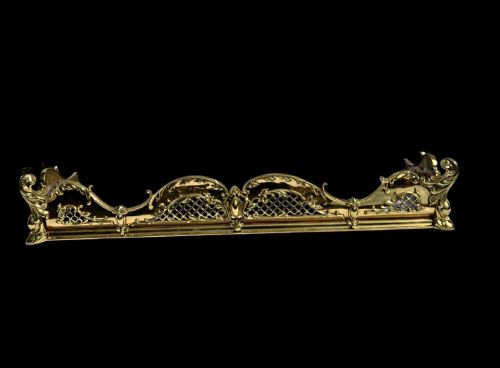


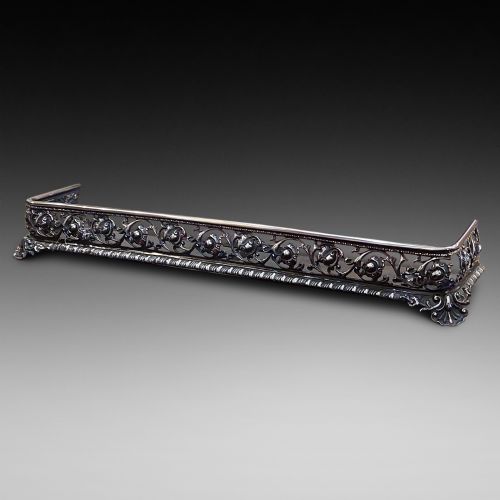
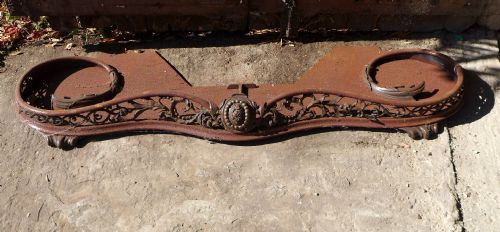
Victorian Decorative Fire Fender
A victorian decorative fire fender frames the hearth with metalwork, bringing period character and structure to a fireplace.
Victorian Decorative Fire Fender
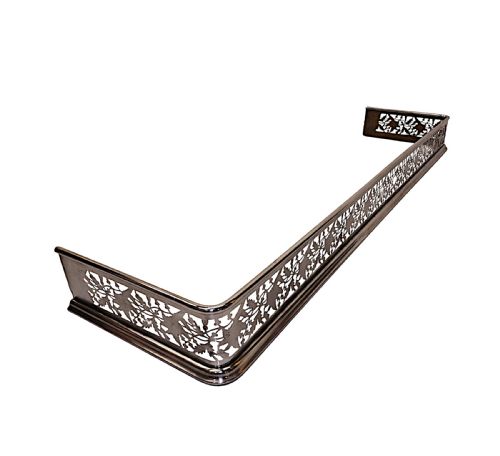
A victorian decorative fire fender defines the hearth area, sitting directly on the floor in front of the fireplace opening to contain ash and hold fireplace accessories. These pieces span the nineteenth century, including pieces dated to eighteen eighty and into the Edwardian period, appearing predominantly as standalone fireplace fenders, kerbs, and surrounds.
The domestic interior of the period relied on these metal surrounds to anchor the fireplace within the room. While most examples take the form of standard low kerbs, variations include gate fronted designs and combinations incorporating a cast fire back with grate and fender.
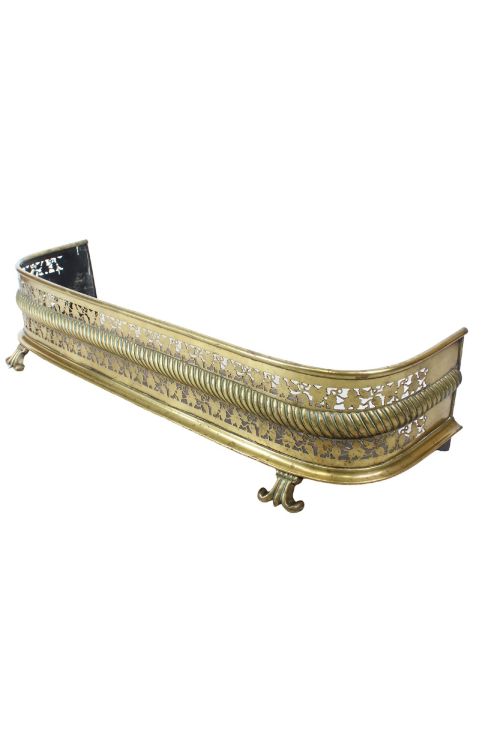
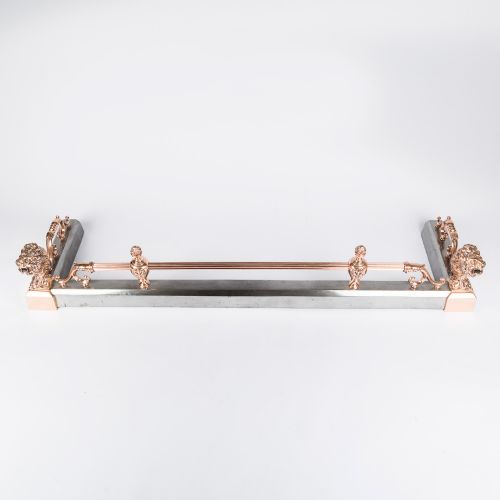
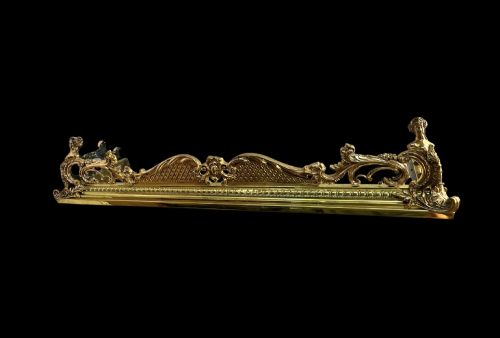
Brass is the most frequently encountered material, often paired with steel, copper, or iron. The aesthetic draws on several design languages, moving from straightforward nineteenth century forms to rococo revival, gothic influences, and later art nouveau styling.
Materials and construction
Pierced sheet brass and heavy cast iron form the structural foundation of many examples, utilising metalworking techniques that allowed for intricate cut-out patterns and embossed surface detail. Workshops combined bright metals with darker supports, pairing brass and bronze or steel and copper to create visual contrast.
Wrought iron and plain steel provide heavy duty weight for larger surrounds, sometimes finished with a black coating alongside polished metal components. Construction methods relied on mechanical fastening and solid casting, producing robust hearth furniture built for daily domestic use.
Victorian Decorative Fire Fender Retail Price Guide 2026
Typical asking prices for victorian decorative fire fender among the pieces listed under this phrase on Sellingantiques today, from the lower quarter to the upper quarter. They describe what is for sale here now, not the wider market.
Assessing quality and design
The distinction between standard production and finer work lies in the depth of the metalworking and the crispness of the pierced or embossed decoration. Pierced brass work with sharp, clean fretwork and substantial metal gauge represents higher grade execution than lighter, shallower pressings.
Material combination also elevates a piece, particularly where contrasting metals such as copper and steel or brass and bronze are integrated into a single cohesive surround. Solid construction and substantial weight separate utilitarian grates from more ornate decorative hearth furnishings.
The Victorian Decorative Fire Fender Glossary
- Fender
- A low metal guard placed around the hearth to keep burning fuel and ash contained. It also acts as a physical barrier in front of the fireplace.
- Kerb
- An alternative term for a fireplace fender, referring specifically to the low border or curb enclosing the hearth area. These often feature pierced or embossed decoration.
- Pierced brass
- Sheet metal that has been cut through in decorative patterns. This technique allowed makers to introduce light and intricate motifs into heavy hearth furniture.
- Fire back
- A heavy cast metal plate placed at the back of the fireplace opening. It protects the brickwork and reflects heat back into the room.
- Art Nouveau
- A decorative style prevalent at the turn of the twentieth century. It is characterised by flowing, organic lines and stylized plant motifs.
Victorian Decorative Fire Fender: Frequently Asked Questions
What is a victorian decorative fire fender?
A victorian decorative fire fender is a metal hearth surround dating from the nineteenth century or the Edwardian period. It sits on the floor around the fireplace opening to frame the hearth.
These pieces were made from materials such as brass, copper, steel, and cast iron. They often feature pierced or embossed detailing in styles ranging from rococo revival to art nouveau.
How do I style a fire fender?
Place the fender directly on the floor in front of the fireplace hearth to anchor the room's focal point. It works well with period hearth accessories and traditional flooring.
Ensure the dimensions of the fender match the width and depth of your fireplace opening. The metal finish can be left to show age or polished to highlight the design.
What materials were used?
Makers utilised a range of metals including brass, steel, cast iron, copper, iron, bronze, and wrought iron. Many pieces combine two or more of these materials for contrast.
Brass is particularly common, often paired with steel supports or copper accents. Iron and steel provide the heavier structural elements for solid surrounds.
How do I date a fender?
Dating relies on stylistic clues such as the presence of art nouveau curves or rococo revival ornamentation. Specific dates like eighteen eighty or general nineteenth century attributions appear in construction details.
Materials also offer hints, as later Edwardian pieces sometimes introduce different assembly methods compared to mid-Victorian cast iron and pierced brass work.