


Vintage Display Wall Plates
Vintage display wall plates bring decorative impact to a room, offering rich colours and painted scenes that transform plain plaster into a focal point.
Vintage Display Wall Plates
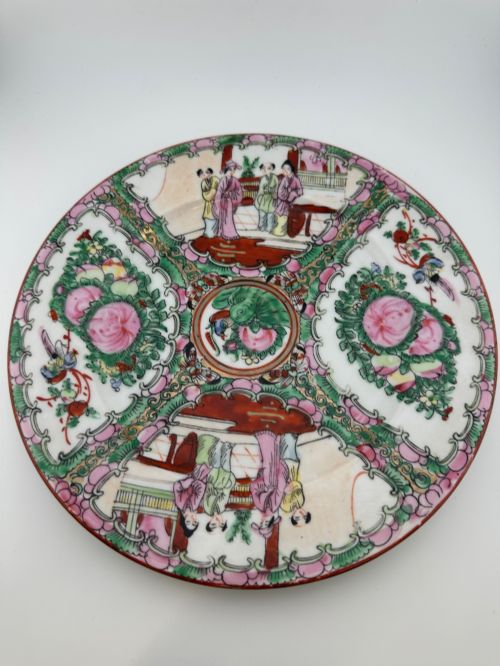
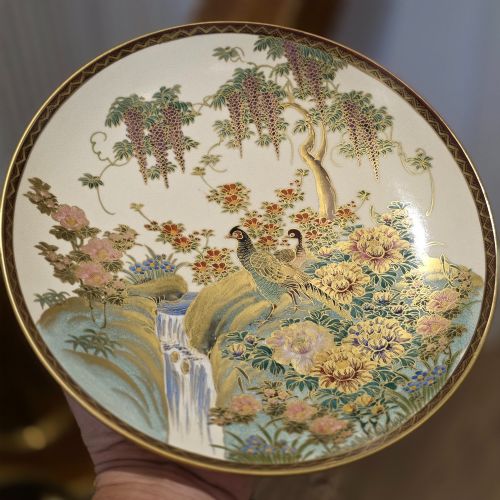
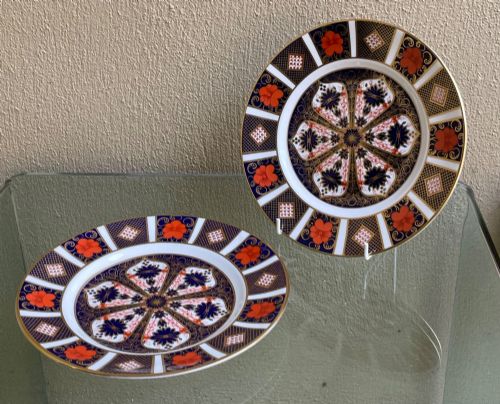
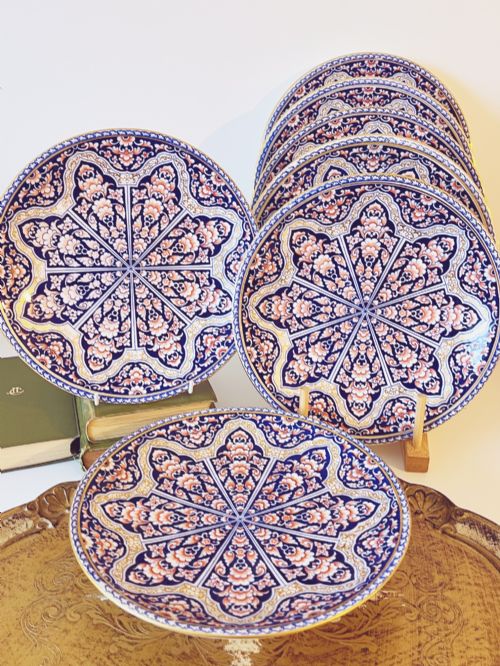
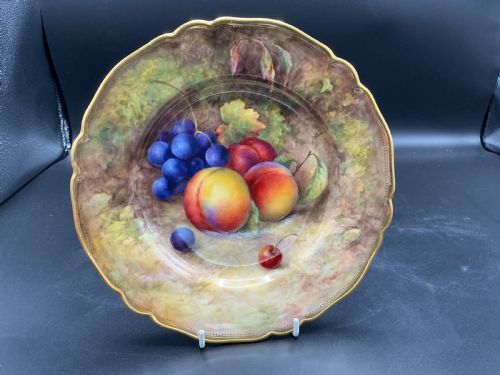
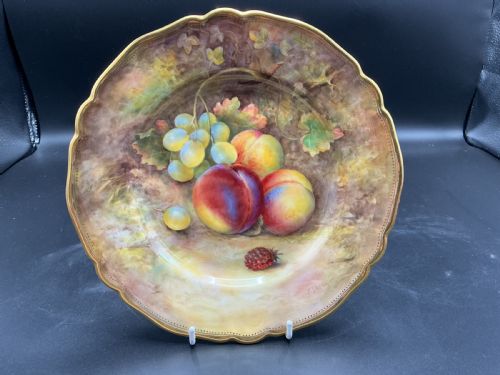
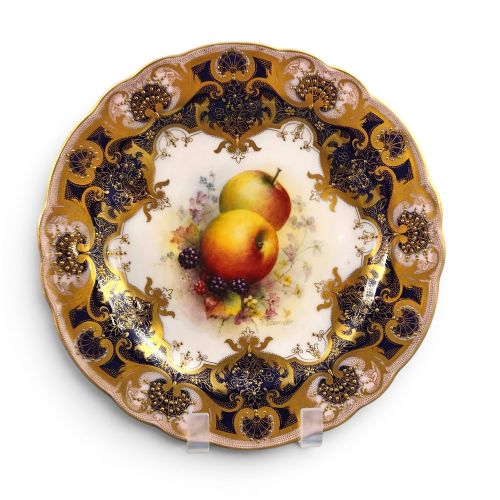
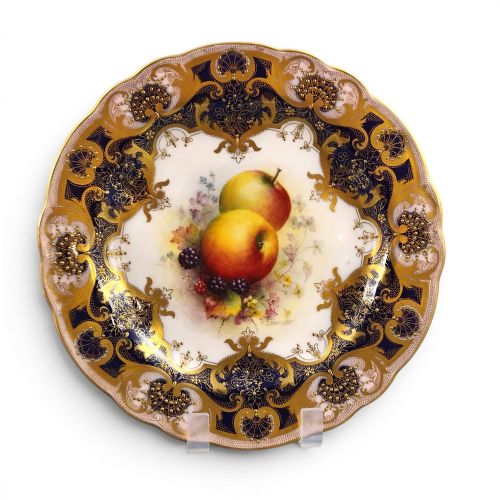
Vintage display wall plates encompass a diverse range of ceramics, chargers, and accompanying oak or pine plate racks designed to showcase ornamental tableware. Buyers searching this phrase meet eighteenth-century Delft chargers, Japanese Imari porcelain, and twentieth-century Royal Worcester painted fruit cabinet plates.
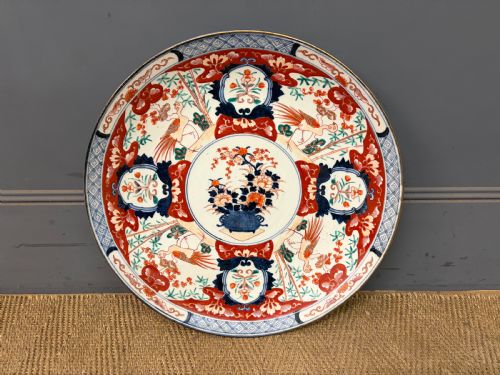
The selection ranges from large decorative chargers featuring Japanese Meiji period motifs to Georgian ironstone China plates and dedicated wall shelves. Many pieces originate from traditional English potteries or continental workshops, spanning periods from the eighteenth century through to the Edwardian era and the 1930s.
Display formats include both individual cabinet plates intended for wall hanging and substantial dresser racks built to hold multiple ceramic pieces simultaneously. These items combine practical storage with visual display, utilising brass, gilt, and enamel highlights alongside traditional earthenware and porcelain bodies.
How they were made
Potters shaped porcelain, bone china, and ceramic bodies by hand or on the wheel before applying detailed hand-painted glazes, polychrome pigments, and occasionally gold leaf. Japanese cloisonné enamel pieces utilised metal wire cells soldered to a base and filled with coloured vitreous paste.
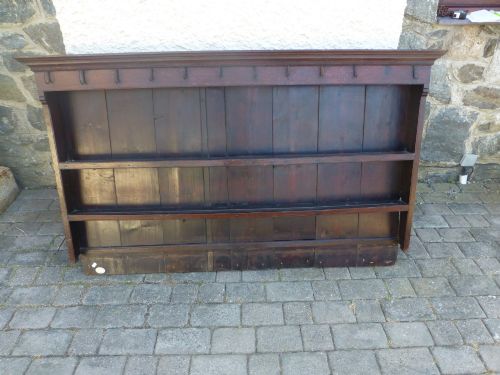
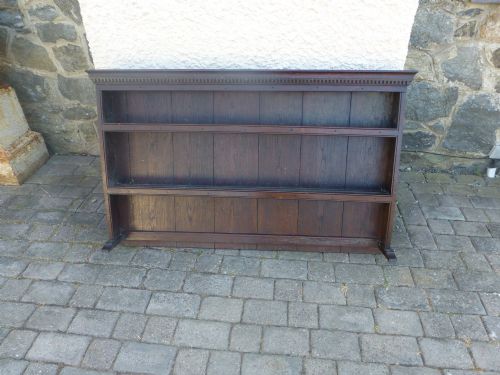
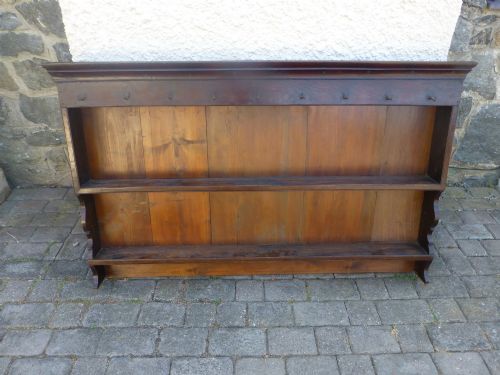
Dresser racks and wall shelves were constructed from solid timbers such as oak, pine, and brass, featuring reeded mouldings and structural joints designed to bear the weight of heavy ceramic chargers safely.
Faience and Delftware production involved applying an opaque tin-glaze to earthenware pottery, which was then painted with cobalt blue or manganese pigments and fired to achieve a durable, glossy surface.
An eighteenth-century delft charger once doubled as a makeshift dinner tray for household cats before earning a permanent spot on the dining room wall.
What varies in quality
The distinction between standard production items and superior examples lies in the precision of the hand-painted brushwork and the complexity of the glaze chemistry. Cabinet plates painted by named artists demonstrate a finer control of colour gradients and narrative detail than simpler transfer-printed equivalents.
Material selection and structural integrity separate robust pieces from fragile ones, particularly in wooden plate racks where solid oak joinery outperforms softer pine alternatives. The crispness of moulded details on pewter, silver-plated surfaces, and ironstone china indicates the sharpness of the original dies and moulds used during manufacture.
Royal Crown Derby·Royal Worcester·Royal Doulton·John Tubb
The Vintage Display Wall Plates Glossary
- Charger
- A large decorative plate or dish intended primarily for display rather than service at the dining table. These substantial pieces frequently feature elaborate painted scenes across the central well.
- Cabinet plate
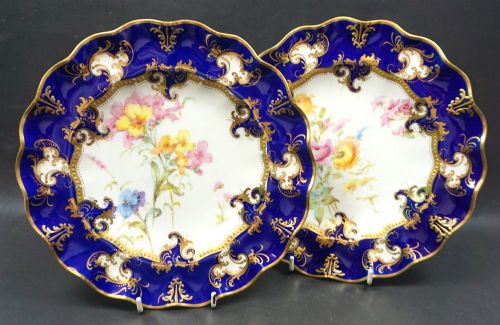
- A high-quality ceramic plate produced specifically for display in a cabinet or on a wall rather than everyday dining use. They often showcase intricate hand-painted artwork by notable factory artists.
- Imari
- A traditional Japanese style of porcelain decoration characterised by a distinctive palette of underglaze blue, iron red, and gold leaf. The style proved highly influential on European ceramic manufacturers.
- Delftware
- Earthenware pottery coated in an opaque white tin-glaze, typically decorated with blue or polychrome painted designs inspired by Chinese porcelain or local European landscapes.
- Cloisonné
- A metalwork technique where fine wires form raised barriers on a surface to contain compartments of coloured glass paste or enamel. These pieces are fired repeatedly to achieve a smooth, lustrous finish.
Vintage Display Wall Plates: Frequently Asked Questions
Can these plates be used for food?
Vintage display wall plates and antique chargers are generally intended strictly for visual ornamentation rather than culinary use. Historic glazes on older ceramics can contain heavy metals that are unsuitable for serving food.
Furthermore, delicate enamel work, gold leaf, and fine hairline crazing across the glaze surface will degrade rapidly with exposure to cutlery and washing.
How do I clean antique porcelain?
Dust delicate surfaces gently with a soft, dry artist brush or a microfiber cloth to prevent abrasive particles from scratching the glaze. Avoid submerging antique pieces with gilded or painted enamel highlights in water for extended periods.
If washing is necessary, use lukewarm water and mild soap, then dry the piece thoroughly with a lint-free cloth immediately afterwards.
What is a delft dresser rack?
A delft dresser rack is a wall-mounted wooden shelving unit featuring grooved plate rails and protective wooden bars designed to display ceramic plates upright. These pieces originated in country houses to keep everyday and decorative tableware visible and accessible.
They are typically built from oak or pine and provide a stable framework for organising collections of chargers and cabinet plates.