






Vintage Copper Tray
These vintage copper tray examples bring hand-worked metal into everyday use, combining utility with distinct period ornamentation.
Vintage Copper Tray
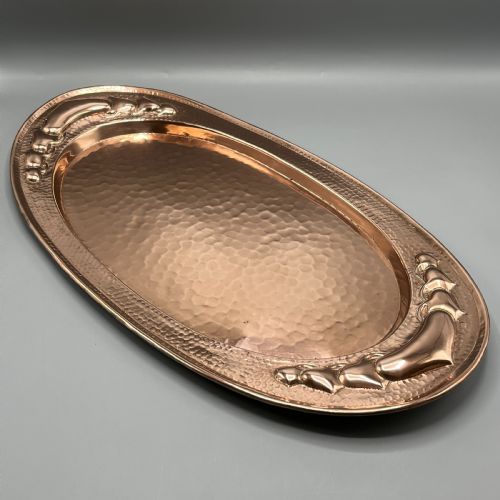
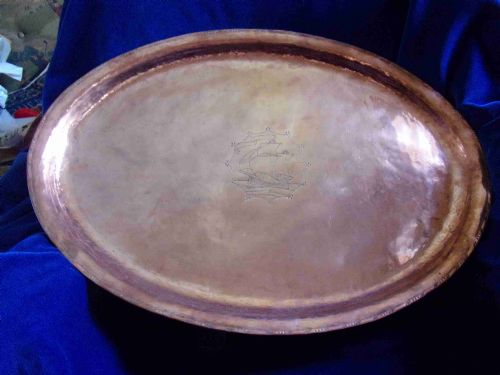
A vintage copper tray search uncovers serving dishes, chargers, and decorative platters spanning the Victorian era through the early decades of the twentieth century. The most frequent discoveries on this page showcase the hand-hammered surfaces and floral motifs characteristic of the Arts and Crafts and Art Nouveau movements.
Beyond domestic serving pieces, the selection encompasses mixed metal designs, Persian and Islamic metalwork, and specialised variants featuring brass or silver inlay. Makers and workshops from British regional centres sit alongside international examples originating from Kashmir, Japan, and the Middle East.
While primarily designed for presentation and service, many larger examples double as decorative wall chargers or fit onto folding wooden tables. These diverse forms reflect global production traditions spanning from eighteen-sixty to nineteen-thirty.
How they were made
Artisans shaped these objects primarily through hand-beating and repoussé techniques, working sheet metal from the reverse to push out raised floral, foliate, and animal motifs. Makers utilised copper, patinated copper, and brass, frequently augmenting the primary metal with silver inlay, cloisonné enamel, or silver plating.
Many items incorporate contrasting structural materials such as oak and other woods for handles, rims, or folding table bases. Surface finish was achieved through deliberate hammer texturing, patination, and engraving rather than machine stamping.
Materials documented across the inventory include copper, brass, oak, cloisonné enamel, and silver plate.
What varies in quality
The standard of workmanship depends on the depth and crispness of the repoussé work, alongside the precision of any inlaid silver or engraved detailing. Pieces bearing attributed workshop designs display superior handling of proportion and decorative relief compared to unsigned commercial output.
Material integration also dictates tier, where substantial gauges of copper and well-fitted wooden mounts create a more balanced object. Age-related surface wear affects pieces differently, though intentional patination should retain the clarity of the original design.
Hugh Wallis·Faulkner Bronze Company
The Vintage Copper Tray Glossary
- Repoussé
- Metalworking technique where the design is hammered into relief from the reverse side. This method creates tactile, three-dimensional decorative surfaces on chargers and trays.
- Cloisonne Enamel
- Decorative technique using wire compartments filled with vitreous enamel paste and fired. Japanese examples utilise this colourful method to depict natural motifs.
- Cairo Ware
- Nineteenth and twentieth-century metalwork produced in Egypt featuring intricate silver and copper inlay. These items typically display complex geometric or calligraphic patterns.
- Patinated Copper
- Metal treated to produce a stable surface oxidation colour. This chemical ageing process enhances the visibility of hammered textures and relief work.
- Newlyn School
- Regional decorative arts movement based in Cornwall known for hammered copper work. Pieces from this tradition often feature marine and animal motifs.
Vintage Copper Tray: Frequently Asked Questions
How were these trays used?
These metal trays served both domestic and decorative purposes, functioning as tea service bases, serving platters, and table tops. Larger chargers were often hung on walls as decorative wall art.
Many examples were paired with folding wooden stands to create portable occasional tables for parlours and drawing rooms.
How do I clean vintage copper?
Gentle dusting with a soft cloth preserves the existing surface patination and prevents accumulation in recessed hammered details. Aggressive metal polishes strip away historical patination and can damage delicate inlaid sections.
Unlacquered copper reacts naturally to handling and environment, developing a deeper tone over decades of care.
What is Arts and Crafts copper?
Arts and Crafts copper work emphasises manual skill, visible hammer marks, and hand-raised forms over industrial uniformity. Designs frequently draw inspiration from nature, incorporating pomegranates, foliage, and stylized flowers.
Workshops and independent makers signed select pieces to highlight individual craftsmanship.
How do I date these pieces?
Dating relies on stylistic markers, construction methods, and material combinations associated with specific periods like the Victorian era or Art Nouveau movement. Stamped marks or attributions to known guilds provide a narrower timeframe.
Comparing decorative motifs against regional production records helps distinguish nineteenth-century examples from later twentieth-century items.