




Vintage Coastal Landscape Painting
A vintage coastal landscape painting brings the quiet stretch of shore, harbour wall and salt-laden air directly onto the wall.
Vintage Coastal Landscape Painting
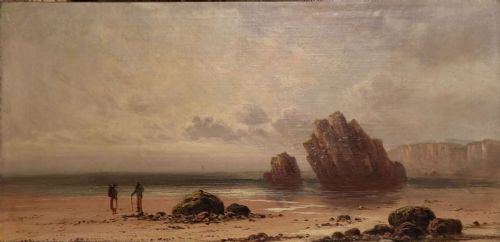
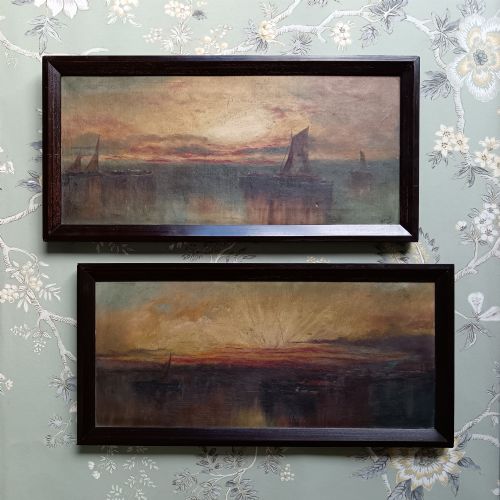
A vintage coastal landscape painting captures the shifting moods of the sea, from calm estuaries to stormy headlands along British and European shores. These works span the nineteenth century through the mid-twentieth century, encompassing periods such as Victorian, Edwardian, and mid-century modern.
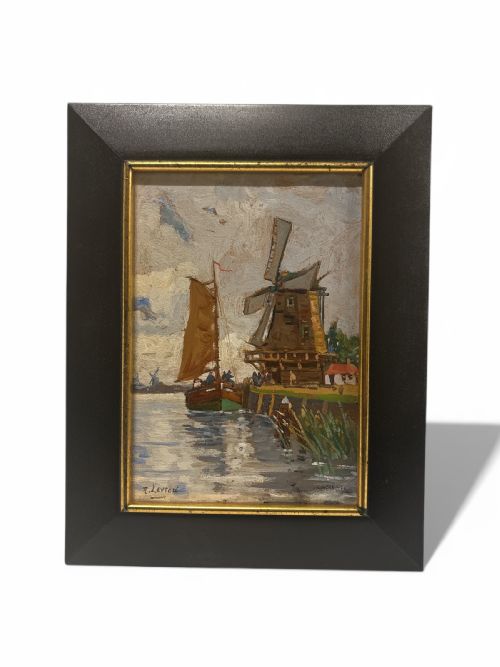
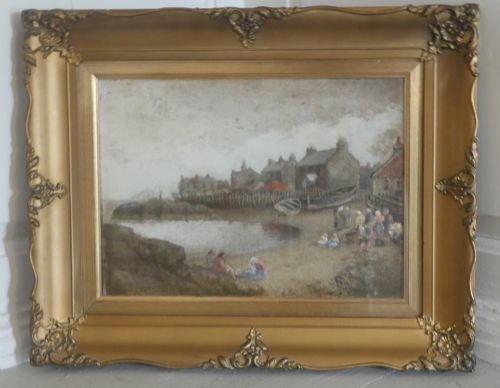
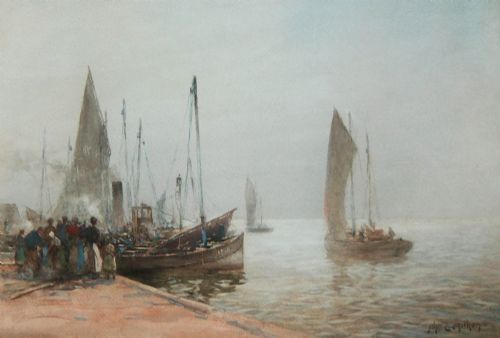
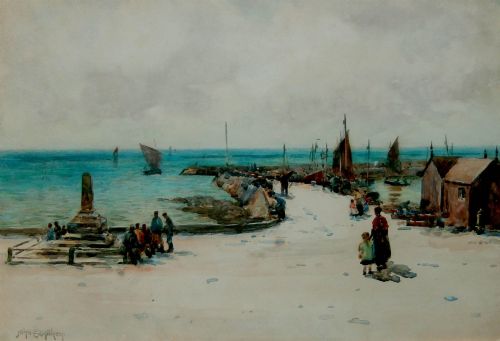
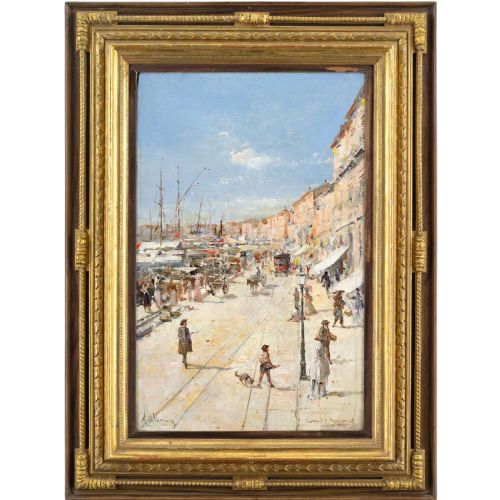
The most common formats met on this page include oil paintings on canvas or board and delicate watercolours on paper. Subjects frequently feature specific harbours, fishing docks, and rocky coves such as St Ives, Whitby, and various coastal stretches.
The selection ranges from plein air sketches to finished studio works produced under the influence of British impressionism and post-impressionism. Each piece records a specific topography, often identified by contemporary artists working across these coastal regions.
Materials and methods
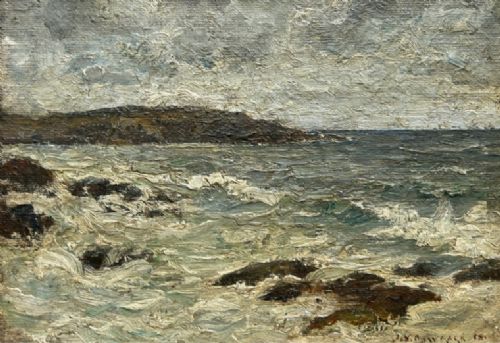
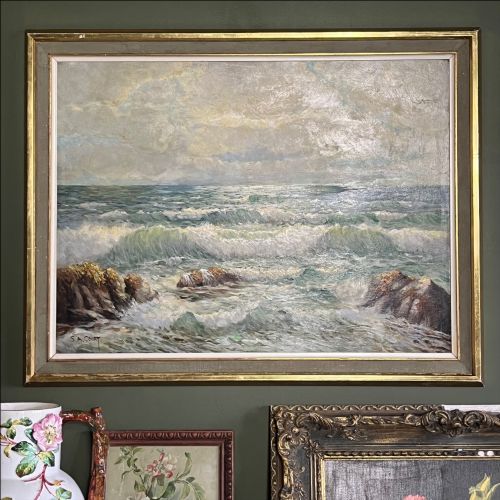
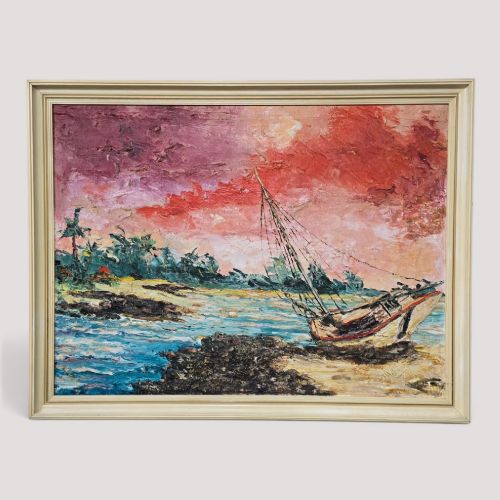
Artists built these compositions primarily using oil paint on canvas or wooden board, or watercolour applied to paper, occasionally supplemented with gouache. Oil mediums allowed for thick impasto applications to capture churning waves and textured cliffs, while watercolours achieved translucent washes for skies and tidal flats.
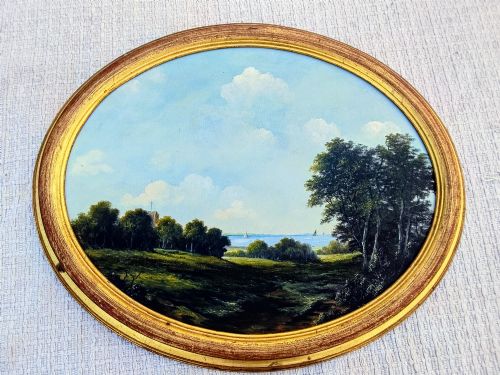
Framing forms an integral part of the construction, with many works housed in period gilt wood frames that complement the palette of the maritime scene.
Listings feature works spanning the nineteenth century through the mid-twentieth century, executed in oil and watercolour on canvas, board, and paper.
Distinguishing quality
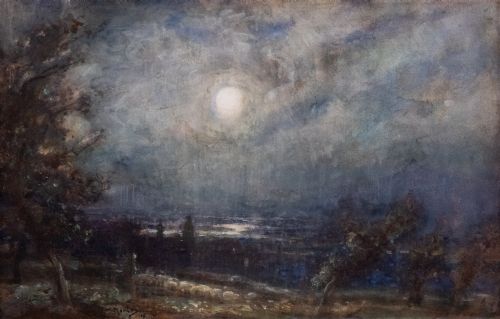
Quality rests on the artist's handling of light, atmosphere, and spatial depth rather than the mere presence of a signature or a grand scale. Superior examples demonstrate confident brushwork and precise tonal control that convey the heavy moisture and shifting illumination of a marine environment.
The relationship between the subject and the medium dictates success, where loose watercolour washes or robust oil impasto serve the movement of the tide and weather effectively.
Kenneth Cozens·Clifford Hanney·James E Aitken·Thomas William Morley·William Henry Williamson
The Vintage Coastal Landscape Painting Glossary
- Impasto
- Paint applied thickly to a canvas or board, leaving visible brush or palette knife marks that add physical texture to waves and cliffs. This technique catches the light to enhance the sense of movement in marine scenes.
- Plein air
- Painting executed outdoors directly in front of the subject to capture natural light and transient weather conditions. Artists working in this manner often produced brisk studies of harbours and coastal cliffs.
- Gouache
- An opaque water-based medium used alone or alongside watercolour to add solid highlights and dense areas of colour to skies and architectural details. It provides a matte finish that contrasts with translucent washes.
- Provenance
- The documented history of a painting's ownership and exhibition record, which helps verify the attribution and period of the work. Signatures and gallery labels often contribute to this traceable background.
Vintage Coastal Landscape Painting: Frequently Asked Questions
How do I date a coastal painting?
Dating relies on stylistic clues, clothing styles of figures on the shore, and framing materials. The signatures, artist biographical dates, and stretcher construction also offer reliable chronological markers.
Period labels and exhibition dates recorded on the reverse provide further confirmation of the era in which the work was produced.
Were these paintings created outdoors?
Many smaller works and watercolours were painted en plein air directly beside the harbour or cliff edge. Larger finished canvases were typically completed in the studio using earlier field sketches as reference.
This combination allowed artists to capture immediate atmospheric effects while maintaining structured composition.
How should I care for a vintage painting?
Keep works away from direct sunlight and steady sources of extreme heat to prevent canvas warping, paint cracking, and paper fading. Maintaining a stable indoor climate protects both the pigments and the wooden backing boards.
Glazed watercolours benefit from acid-free framing materials to prevent discolouration over decades of display.
What subjects are most common?
Harbour scenes, sailing vessels, fishing docks, and rugged cliff tops dominate the regional views. Popular locations frequently include Cornish ports, Yorkshire fishing villages, and Channel coastal stretches.
Artists often focused on the working life of the shore alongside empty expanses of sand and sea.