




Twentieth Century British Art
Twentieth century british art brings together paintings, watercolours and drawings capturing landscapes, portraits and coastal scenes across decades of domestic creativity.
Twentieth Century British Art
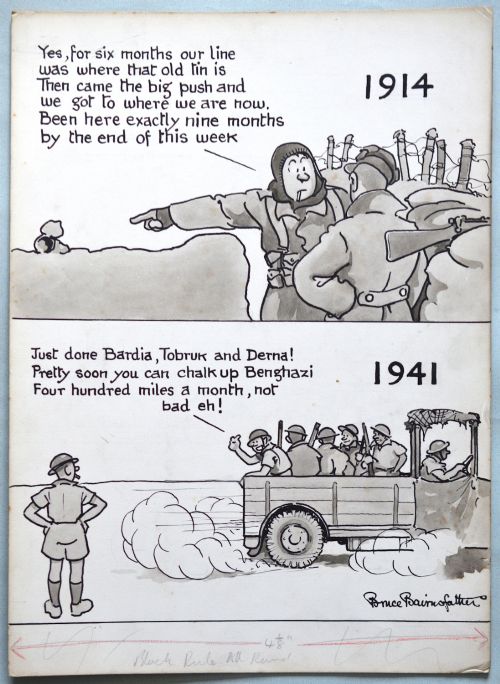
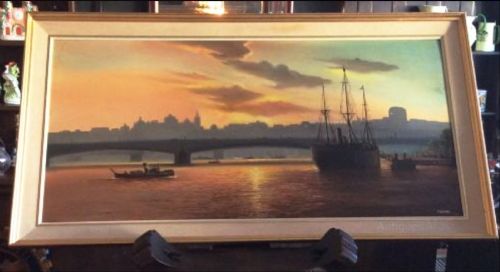
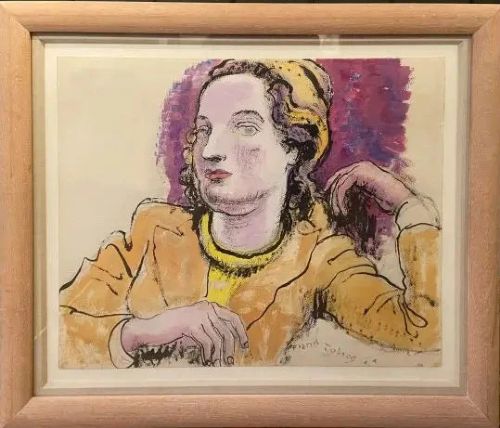
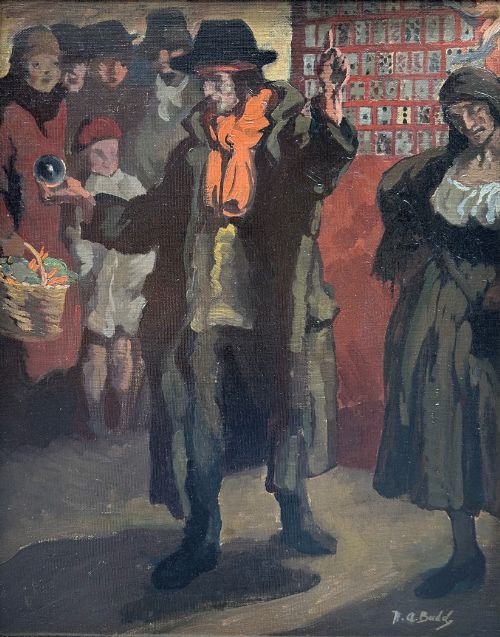
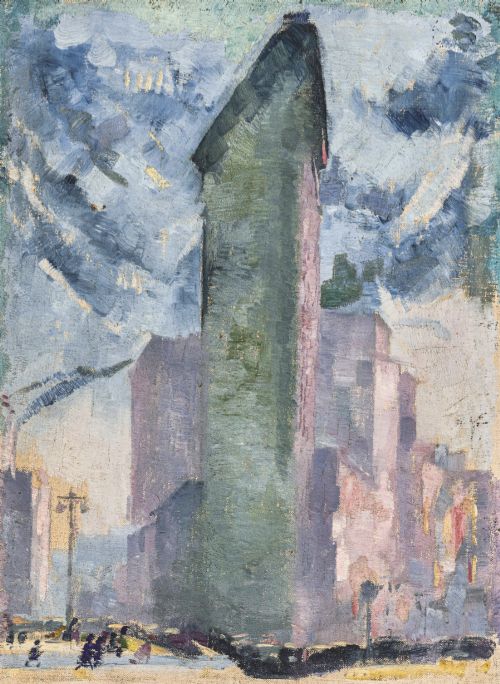
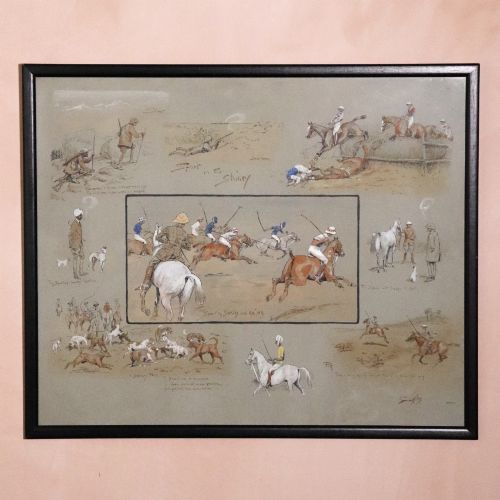
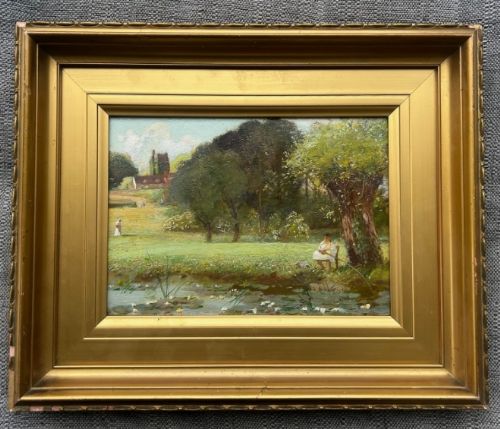
Twentieth century british art encompasses paintings, watercolours, and drawings produced across the decades from Edwardian times through to the sixties. Collectors encounter framed artwork depicting rural landscapes, maritime views, and intimate portraits created by regional and nationally recognised painters.
The selection on this page relies heavily on traditional media applied to paper, wood panels, and canvas. Buyers frequently find works tied to specific regional movements, such as northern painters or coastal art colonies working in places like St Ives.
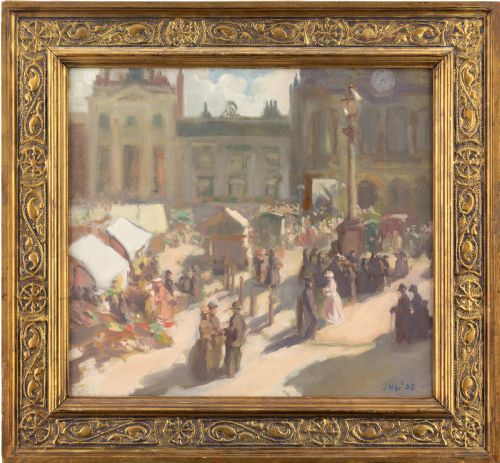
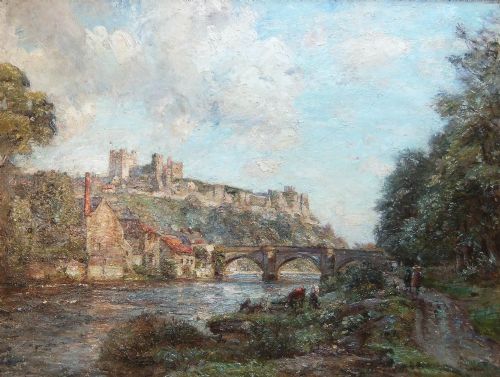
Portraits, still lifes, and architectural scenes populate the category alongside topographical watercolours of towns and rivers. These pieces reflect the shifting aesthetic priorities of British creators through decades marked by Impressionism and realism.
Materials and methods
Artists in this category applied oil paint, watercolour, gouache, and ink onto supports including primed canvas, stretched paper, and wood panels. Oil paintings often display textured brushwork while watercolours utilise fluid washes to capture light on coastal and rural subjects.
Drawings utilise ink and pencil techniques, sometimes accompanied by pastel or chalk for added colour and tone in portraits and still life subjects. Works on paper require protective framing behind glass to preserve the delicate pigments from atmospheric moisture and light exposure.
Twentieth Century British Art Retail Price Guide 2026
Typical asking prices for twentieth century british art among the pieces listed under this phrase on Sellingantiques today, from the lower quarter to the upper quarter. They describe what is for sale here now, not the wider market.
Several artists clearly preferred the bracing air of Yorkshire harbours, immortalising local fishing fleets between bouts of sea spray and sketching.
Distinctions in quality
Quality rests upon the sureness of the draftsmanship and the artist's ability to handle light and atmosphere within the chosen medium. Stronger pieces display confident brushwork and a clear compositional balance that anchors the subject without excessive fuss.
Condition plays a vital role, distinguishing works retained in crisp, original state from those suffering from heavy fading, foxing on paper, or unrecorded paint flaking. The relationship between the maker's established output and the specific vitality of the piece dictates its standing within the range.
Thomas Ellison·Clifford Hanney·Bruce Bairnsfather·Frank Dobson·Herbert Ashwin Budd·Alfred Wolmark·Peter Newcombe·John Hodgson Lobley·Herbert Royle·Snaffles·Sir David Murray·Septimus Scott·Fred Lawson·Robert Leslie Howey·Philippa Maynard Romer·John Merrifield·Stanley Orchart·Donald McIntyre·S Dennant Moss·Kershaw Schofield·Frank H. Mason·Florence Hess·Cecil R. Doyly-John·Ernest F. Hill·Andrew Young
The Twentieth Century British Art Glossary
- British Impressionism
- A style adopted by British painters influenced by French techniques, focusing on natural light, outdoor settings, and visible brushstrokes. These works prioritise mood and illumination over rigid academic precision.
- Maritime Art
- Depictions of the sea, ships, harbours, and coastal activities. Painters working in this genre often recorded specific coastal vessels and tidal conditions with observational accuracy.
- Watercolour
- A paint consisting of pigment suspended in a water-soluble vehicle, typically applied to paper. Artists utilise its translucent qualities to create luminous washes of light and colour.
- Gouache
- An opaque water-based paint that includes a white pigment added to the colour mixture, producing a heavier, more solid matte finish than traditional watercolour.
- Wood Panel
- A rigid wooden support used by painters instead of canvas. Artists often prepared these boards with a gesso ground before applying oil paint.
Twentieth Century British Art: Frequently Asked Questions
What subjects are most common in twentieth century british art?
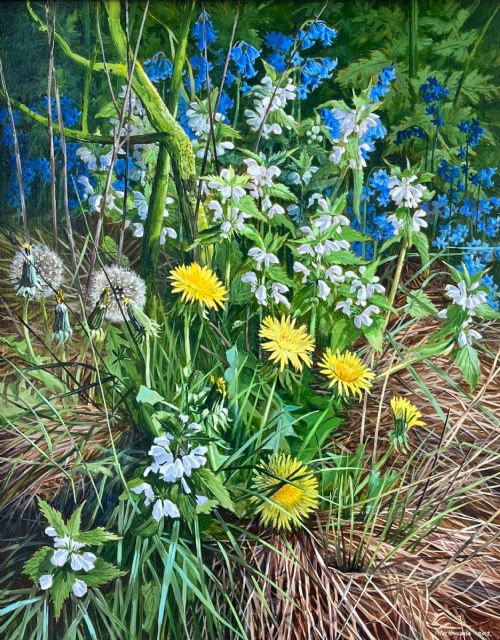
Landscapes, coastal marine views, and figurative portraits dominate the surviving works from this era. Artists frequently recorded local scenery, street scenes, and harbour activities across different regions of Britain.
Still lifes and botanical studies also appear regularly, executed in oil, watercolour, or pastel. These varied subjects provide a comprehensive record of changing domestic aesthetics throughout the decades.
How should I care for a vintage oil painting?
Keep oil paintings away from direct sunlight and dramatic fluctuations in temperature or humidity. A gentle dusting with a soft, dry brush is generally sufficient for surface maintenance.
Avoid using water or chemical cleaners on the paint surface. If structural cleaning or canvas tightening is required, consult a professional conservator.
How do I frame and display works on paper safely?
Works executed in watercolour, pastel, or ink require framing behind glass with acid-free mounts to prevent the paper from touching the glazing. This barrier protects the pigments from humidity and airborne pollutants.
Position these framed pieces away from direct sunlight to prevent the fading of delicate watercolours and inks. Proper hanging safeguards the structural integrity of the paper over time.
How can I tell a watercolour from a gouache painting?
Watercolour relies on transparent washes where the white of the paper shines through to illuminate the colours. The layers appear thin and fluid with soft edges.
Gouache incorporates opaque elements that create solid, matte areas of colour with heavier coverage. Artists often combined both techniques within a single painting to achieve contrasting highlights.