


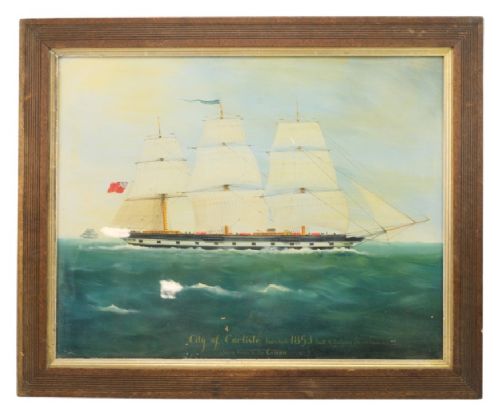
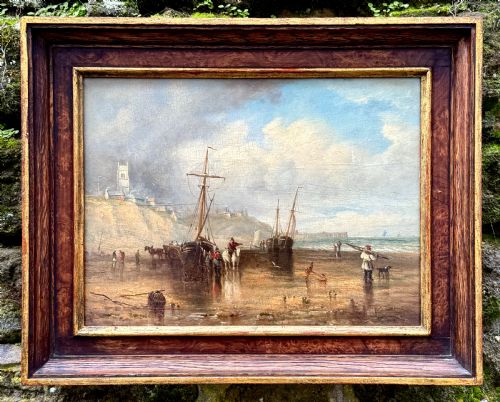
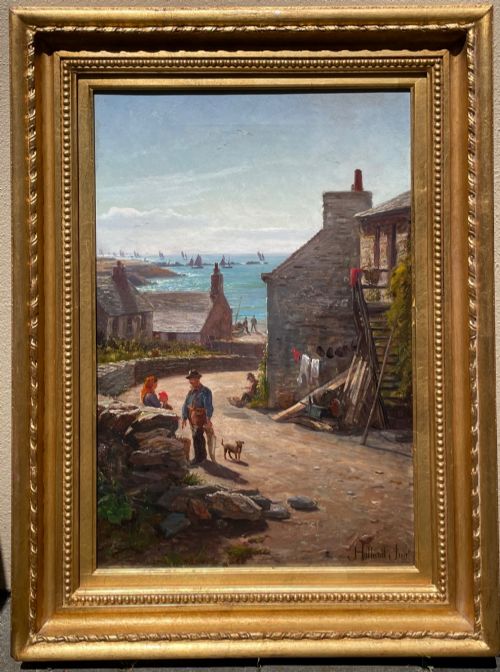
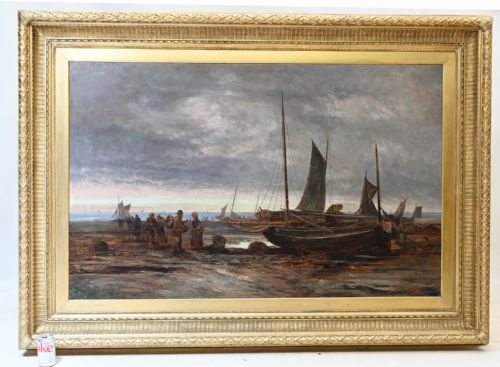
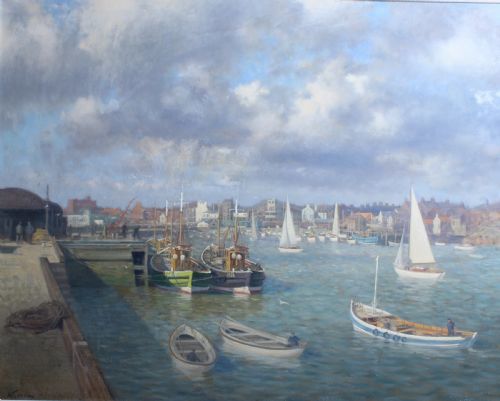


Traditional Maritime Oil Canvas
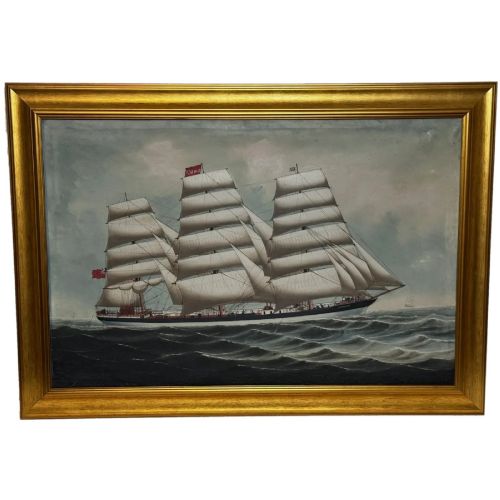
A traditional maritime oil canvas captures the movement of water, the pull of the tide, and the enduring architecture of ships upon the sea.
Traditional Maritime Oil Canvas
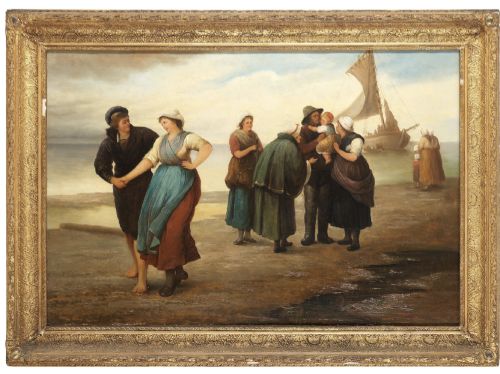
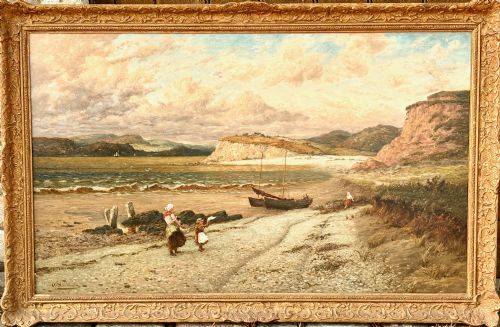
A traditional maritime oil canvas depicts coastal scenes, harbours, and open water, frequently originating from the nineteenth century up through the mid-twentieth century. Buyers encounter coastal views, ship portraits, and dramatic sea battles rendered on stretched canvas.
The subjects range from named vessels and naval schooners to quiet Dutch canals, bustling fishing ports, and local beaches framed by lighthouses. These pieces document maritime history through the hands of English, French, and Dutch artists.
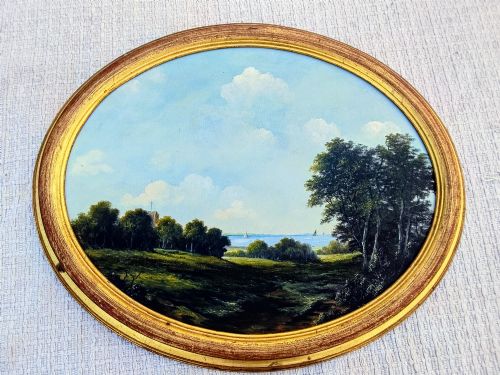
Works appear in various formats, from intimate oval sea views to large-scale gallery pieces spanning several feet, often housed within their original wooden and gilded frames.
Materials and construction
Artists built these works using oil paint applied to woven canvas stretched over wooden frames, allowing for rich layers of colour and texture in depicting water and sky. Pigments captured the light on coastal waters and the dark tones of stormy seas.
Surrounding the canvases are heavy frames constructed from wood and gesso, frequently finished in giltwood to complement the maritime subject matter within.
One unexpected canvas steps away from the sea entirely to depict some distinctly unsettling children.
Distinctions in quality
Quality rests in the artist's command of light, shadow, and the natural movement of water, separating spirited observational works from rigid commercial productions. The handling of atmosphere, from the spray of choppy waves to the stillness of a sunset harbour, dictates the strength of the piece.
The integrity of the canvas and the preservation of the original paint surface determine the longevity of the artwork, alongside the quality and period accuracy of the accompanying frame.
William McAlpine·Reginald Arthur Borstel·Thomas Creswick·John Holland·Walter Goodin·William Edward Webb·Stanley Leader·George Shaw·Hendrik Willebrord Jansen·William Pitt·James Webb·Dion Pears·Jane Vivian·George Henry Knight·John Callow·Ebeneezer Colls·Owen Bowen·Edward Henry Holder
The Traditional Maritime Oil Canvas Glossary
- Oil on Canvas
- Pigments bound in a drying oil medium applied to a woven fabric support. This combination allowed artists to blend tones smoothly and build textured layers of paint.
- Giltwood
- Wood carved and coated with gold leaf or gold paint. Frames finished in this manner were designed to reflect ambient light and elevate the artwork.
- Gesso
- A plaster-like mixture applied to wooden frames as a base for gilding. It provides a smooth surface for decorative mouldings.
- Seascape
- A work of art depicting the sea, coastal views, or marine activity. These subjects required a deep understanding of weather patterns and nautical vessels.
Traditional Maritime Oil Canvas: Frequently Asked Questions
How do I care for an oil canvas?
Keep the canvas away from direct sunlight and damp conditions to prevent paint cracking and wood warping.
Dust the surface gently with a dry, soft brush and avoid using chemical cleaning agents.
Are these paintings signed by artists?
Many works bear the signature or attribution of known painters, while others remain unsigned examples of period school output.
Signatures often appear in the lower corners of the canvas, sometimes accompanied by dates.
What framing comes with these pieces?
Most paintings are set within period wooden frames, frequently featuring moulded gesso and giltwood finishes.
These surrounds range from simple wooden battens to ornate Victorian gallery frames.
Where were these maritime scenes painted?
Artists painted scenes along British, French, and Dutch coasts, documenting specific ports, estuaries, and open sea routes.
Locations span from local fishing villages like Brixham and Polbathwick to international waters and foreign harbours.