

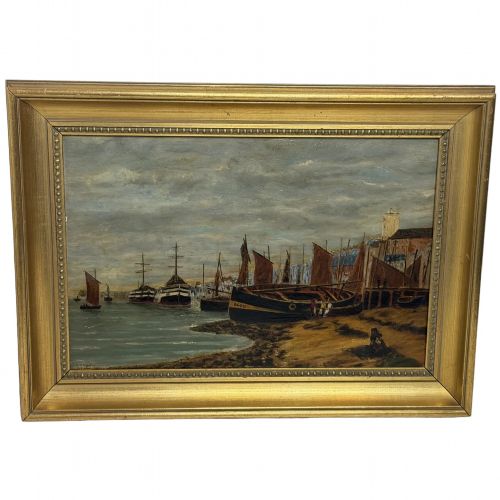


Sailing Vessel Oil Painting
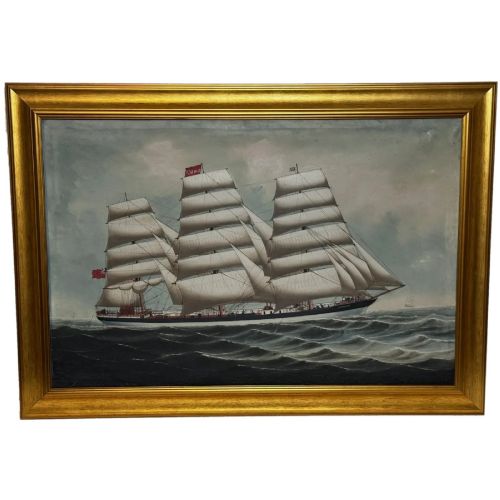
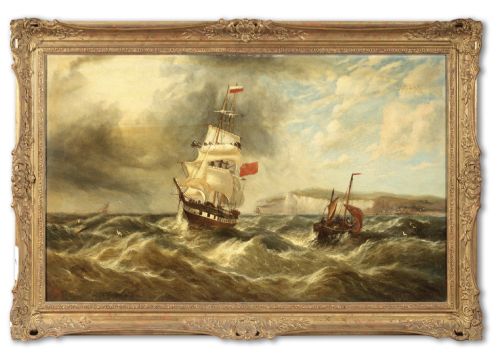
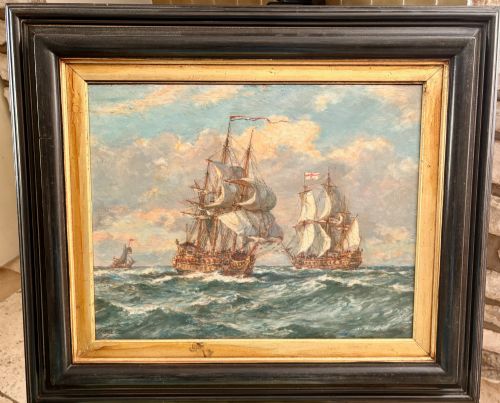
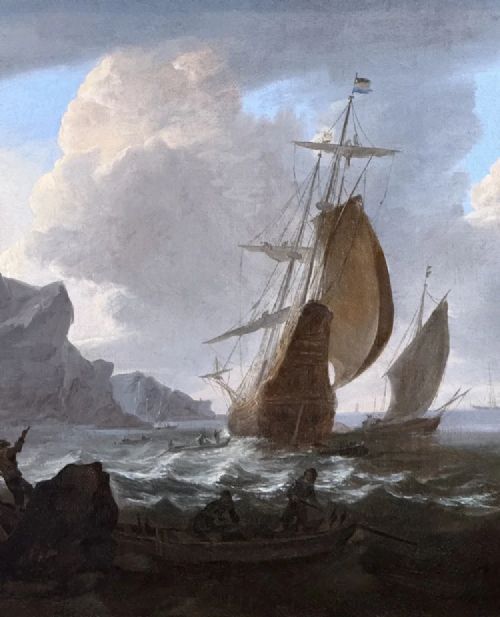
A sailing vessel oil painting captures the historic drama of maritime trade and naval might upon canvas.
What They Are
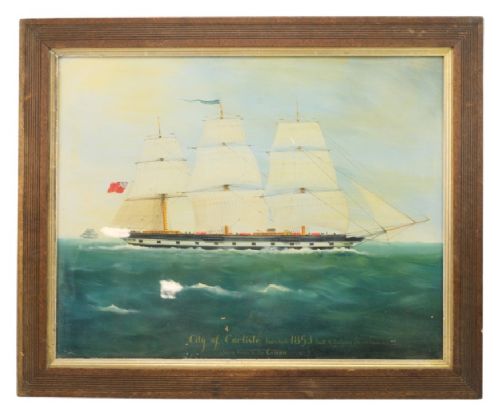
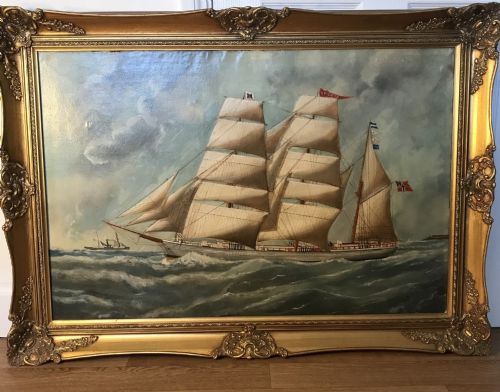
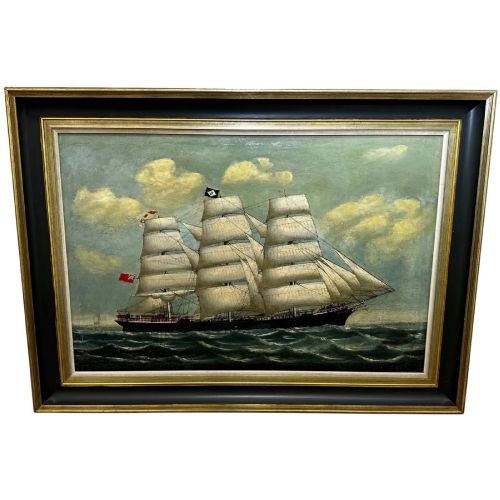
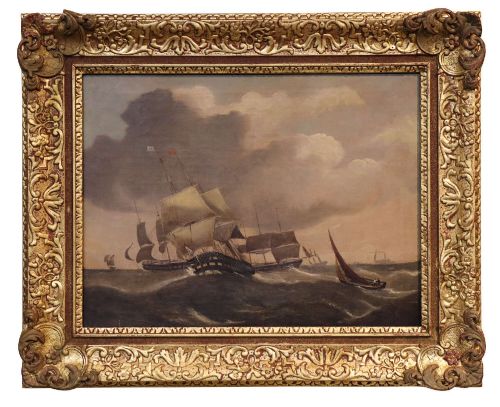
When you search for a sailing vessel oil painting, you encounter maritime works depicting historic clippers, harbour scenes, and coastal shipping in choppy seas.
The pieces on this page span the early 19th century through to 1910, encompassing Georgian and Victorian marine styles.
You see British and international schools represented, alongside specific named vessels such as the City of Carlisle and the Slieve Roe.
How They Were Made
These works utilise oil paint applied to canvas, capturing the shifting light on water and the detailed rigging of historic ships.
Many are housed within period wooden frames, including giltwood, gesso, and decorative swept frames finished with gold leaf.
Retail Price Guide 2026
Typical UK retail prices for sailing vessel oil painting, calculated from the Sellingantiques database of over a million retail prices indexed since 2003. This retail price guide relies exclusively on Sellingantiques data; no external sources or auction records are used, so the figures do not describe the wider market.
Periods represented span from the early 1800s through the Victorian era up to 1910.
What Varies in Quality
Quality rests upon the artist's ability to render the movement of rough seas and the accurate architectural details of maritime rigging.
The sophistication of the accompanying frame, particularly intricate giltwood and swept designs, elevates the presentation of the canvas.
Reginald Arthur Borstel·Lai Fong·George Stainton·Bernard Page·Robert Dumont Smith
The Sailing Vessel Oil Painting Glossary
- Oil on Canvas
- Pigment mixed with drying oil applied to a stretched fabric support. This traditional medium allows for rich blending and textured brushwork.
- Giltwood
- Wood carved and covered with a thin layer of gold leaf. It provides a bright, reflective border to traditional marine paintings.
- Gesso
- A paint mixture consisting of a binder mixed with chalk, gypsum, or pigment. It forms a smooth surface on frames before gilding.
- Swept Frame
- An ornate wooden frame with deeply curved moulding corners. These decorative surrounds often accompany 19th-century maritime works.
Frequently Asked Questions
How do I date a maritime painting?
Dating relies on the ship types depicted, costume of any figures, and the construction methods of the wooden frame. Canvas and stretcher types also offer clues.
Paintings from the early 19th century often display Georgian rigging styles, whereas works closer to 1910 reflect late Victorian or Edwardian maritime subjects.
Where should I hang these paintings?
These works suit traditional studies, living rooms, or hallways with stable humidity levels away from direct sunlight. Their maritime subject matter pairs well with wood-panelled interiors.
Ensure the giltwood or gesso frame has adequate wall support, as traditional frames can carry considerable weight.
What is the British School style?
The British School designation groups together artists working within British artistic traditions during specific centuries. It highlights regional techniques and maritime subject matter.
Many pieces from this tradition focus on domestic shipping lanes, naval engagements, and local harbour scenes.
Are original frames important?
Original giltwood and swept frames contribute significantly to the historical context of a marine painting. They reflect the aesthetic tastes of the period in which the canvas was produced.
Matching frames enhance the visual harmony between the artwork and its display setting.