


19th Century Ship Painting
A 19th century ship painting brings the drama of maritime history onto the wall through detailed depictions of vessels at sea.
What a 19th century ship painting is
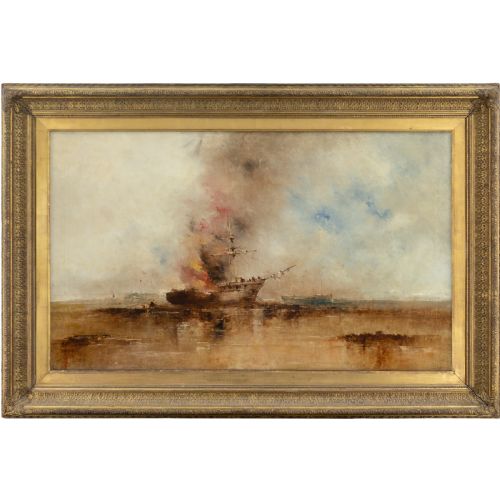
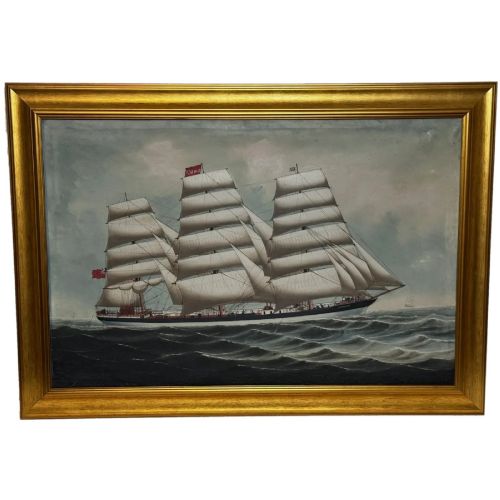
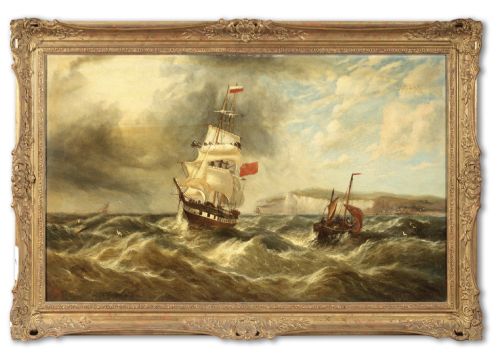
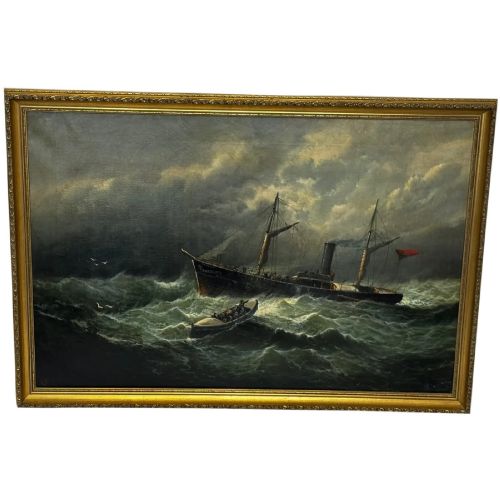
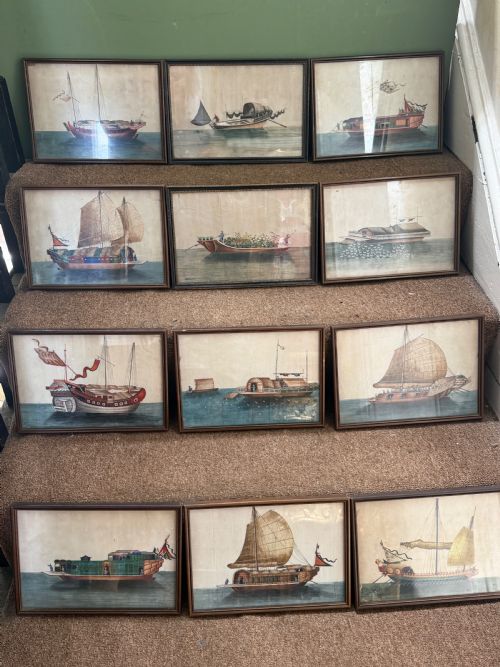
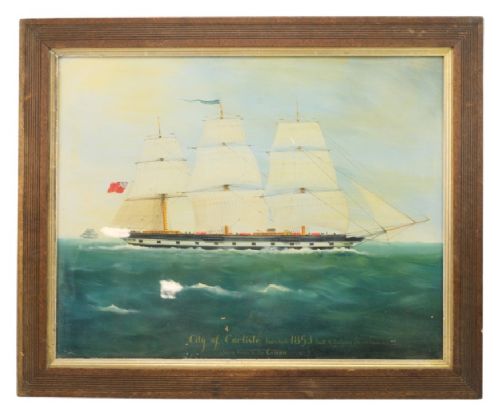
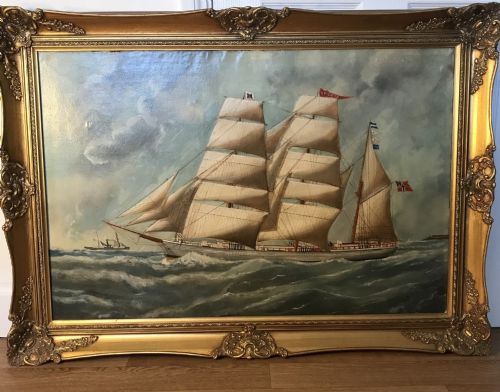
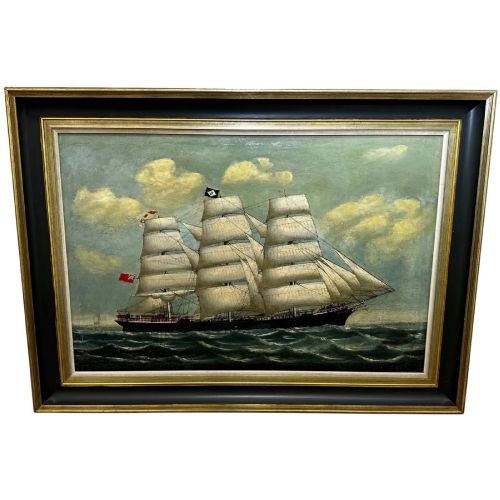
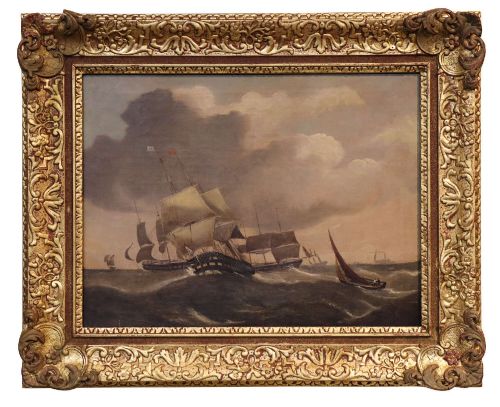
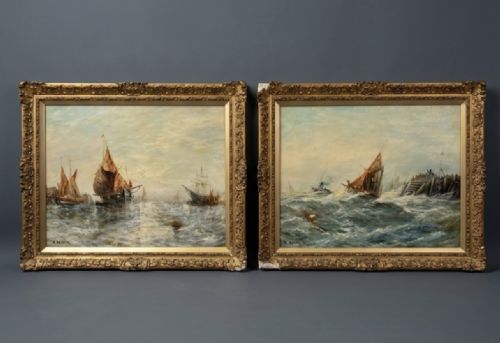
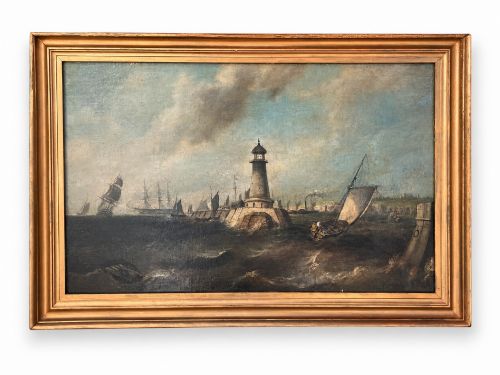
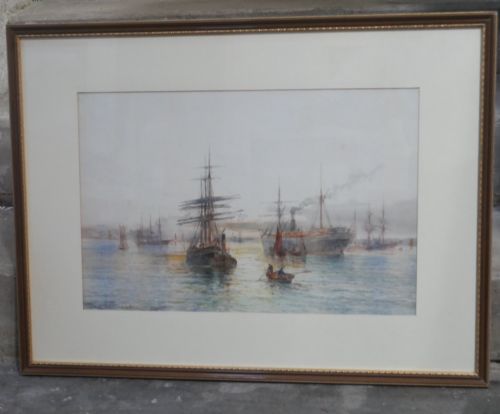
A 19th century ship painting captures maritime scenes ranging from calm coastal harbours to turbulent seas and dramatic shipwrecks. Buyers typically encounter works depicting named vessels, local shipping, or broader coastal landscapes tied to British and Dutch schools.
The subjects span steam and sailing ships, clippers, barques, and warships navigating familiar waters like Dublin Bay, the Thames, or the Yorkshire coast. These wall art pieces reflect the heavy maritime commerce and naval interests of the period.
Most examples originate from the 19th century or closely adjacent years around 1900, presenting historical vessels in oil or watercolour. They serve as direct visual records of historical shipping activity and coastal life.
How they were made
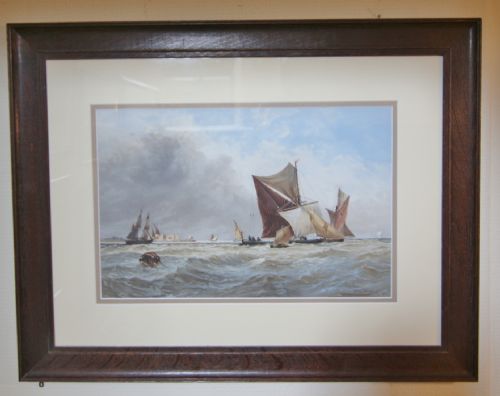
Artists painted on various supports including canvas, prepared board, and thick paper, applying traditional oil paints or watercolours. Watercolour works often incorporate pen and ink detailing to define rigging and hull structures.
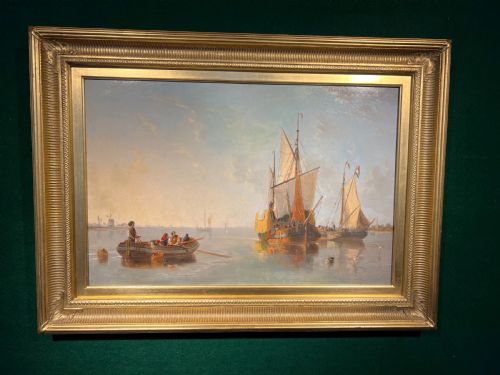
Frames play a structural role, with some pieces set in antique gilt frames or wood frames constructed from salvaged shipwreck timbers. Gold leaf accents frequently enhance the decorative presentation of oil paintings.
The archive includes pieces from the 19th century and 1900, representing styles such as Victorian Maritime and the 19th Century British School.
What varies in quality
Quality rests on the precision of the maritime draughtsmanship, particularly in how accurately the artist renders rigging, hull lines, and the behaviour of water under different weather conditions. Stronger works convey palpable movement and atmospheric depth rather than static silhouettes.
The reputation and skill of the hand behind the brush distinguish individual pieces, as signed works by known Victorian painters demonstrate a superior command of light and composition compared to anonymous school pieces.
William Frederick Settle·William Henry Williamson·James Webb·E K Redmore·Reuben Chappell
The 19th Century Ship Painting Glossary
- Barque
- A sailing vessel with three or more masts, where the foremast and mainmast are square-rigged and the mizzenmast is fore-and-aft rigged. This rig was common for long-distance cargo carriage during the period.
- Seascape
- A painting depicting the sea, coastal views, or ships operating in marine environments. It forms the primary genre for this category of art.
- Grisaille
- A painting executed entirely in shades of grey or neutral monochrome. This technique often mimics the appearance of sculpture or serves as a preparatory study for a finished coloured work.
- Watercolour
- A painting method where fine pigment is suspended in a water-soluble binder and applied to paper. It allows for translucent washes that capture the shifting light of skies and water.
Frequently Asked Questions
What subjects appear in these paintings?
The works depict named sailing ships, steam boats, warships, and local trading vessels navigating ports, estuaries, and open coastal waters.
Many scenes capture specific British and European coastal locations, ranging from calm harbours to dramatic storm and shipwreck scenarios.
How do I care for watercolour ship art?
Watercolour paintings require protection from direct sunlight to prevent the fading of pigments on paper.
Displaying them away from moisture-prone areas and utilising UV-protective glass helps preserve the integrity of the paper and medium.
What is the difference between oil and watercolour?
Oil paintings use thick pigments applied to canvas or board, offering a rich texture and deep colour saturation that suits heavy seas.
Watercolours utilise thin, translucent washes on paper, often combined with ink lines to create lighter, highly detailed atmospheric views.
How can I tell the period?
Dating relies on the costume of figures, the types of vessels shown, and framing styles typical of the 19th century.
Signatures, artist dates, and contemporary inscriptions on the reverse or mount also help establish when a work was created.