


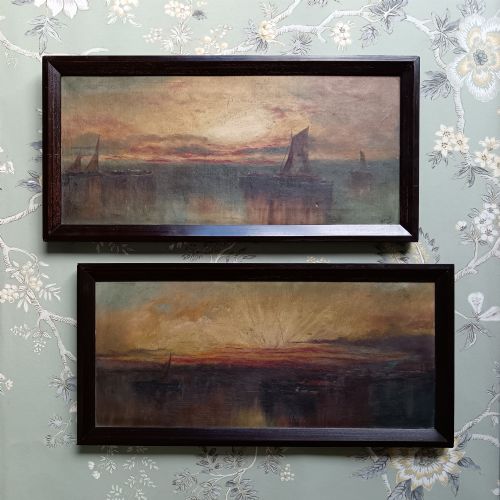
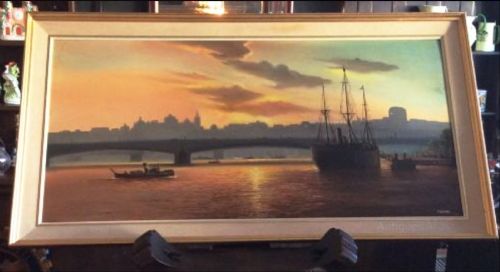
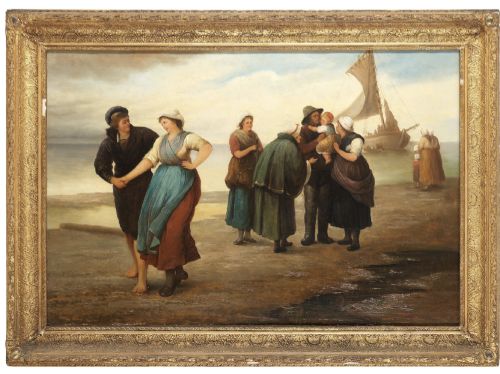
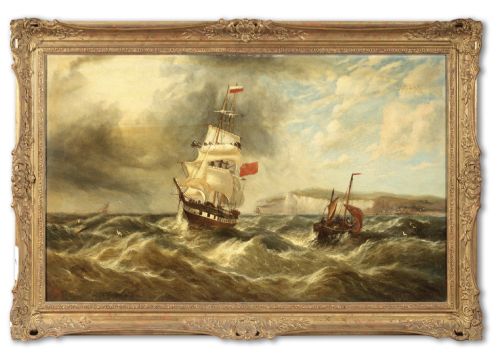
Maritime Canvas Artwork
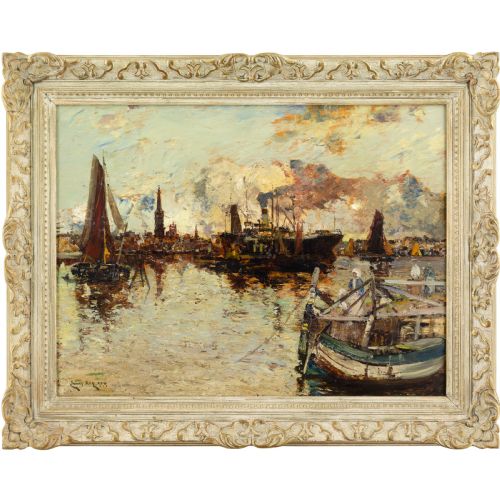
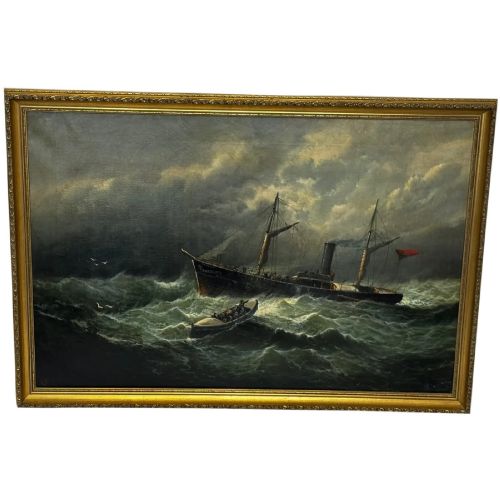
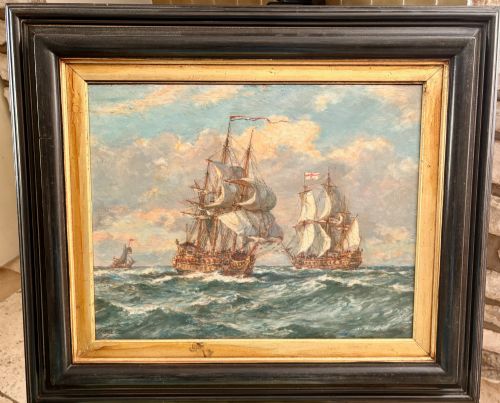
These maritime canvas artwork pieces capture the power of the open sea, naval engagements and bustling Victorian harbours.
Maritime Canvas Artwork
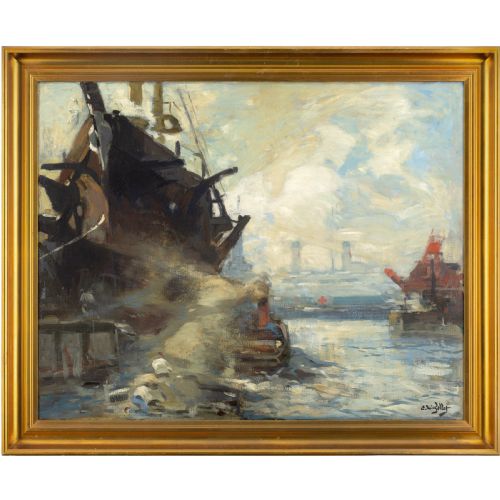
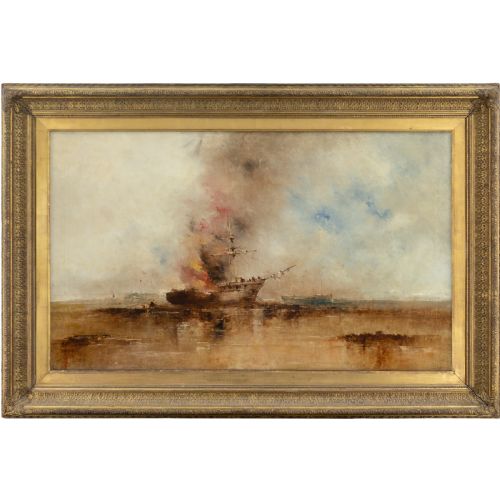
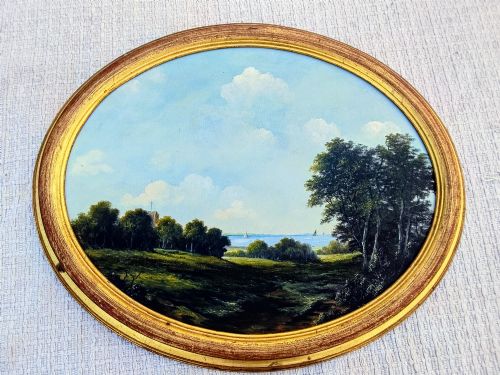
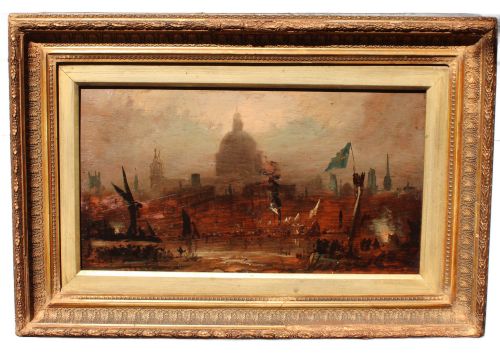
Maritime canvas artwork encompasses oil paintings depicting coastal views, stormy seas, merchant shipping and naval history. When searching for maritime canvas artwork, buyers encounter works spanning from the eighteenth century through to the mid-twentieth century. The selection ranges from panoramic river scenes on the Thames to dramatic shipwrecks in heavy gales.
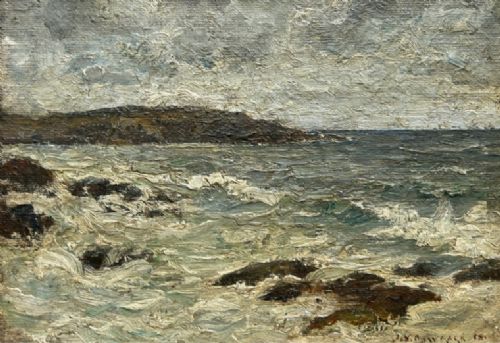
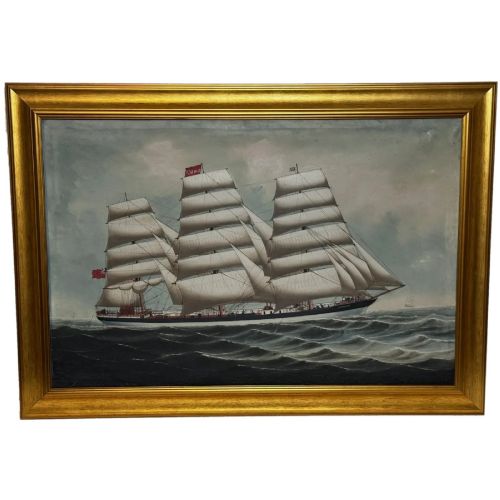
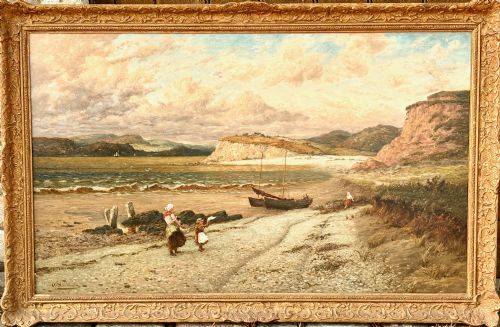
Victorian marine art and Edwardian coastal studies dominate the selection available on this page. These pieces often feature specific vessels, identified by name, navigating coastal waters or docked in busy international harbours. Scenes vary from peaceful estuaries at sunset to turbulent seas off rocky shores.
Materials and Technique
Painters applied oil paint directly onto stretched woven canvas or wooden boards to create these marine subjects. The medium allowed artists to build rich textures, particularly when depicting choppy waves, billowing sails and cloudy skies. Many surviving examples retain their original giltwood or gilt frames, which complement the maritime subject matter.
Brushwork ranges from the meticulous detail favoured by nineteenth-century school painters to the looser application seen in later British and post-impressionist works. Painters utilised heavy impasto to give physical depth to crashing surf and rocky coastal foregrounds.
Listings feature works executed in oil paint on canvas and wood, stretching from the seventeenth century through to the nineteen-sixties.
Distinctions in Quality
Quality in maritime canvas artwork rests upon the artist's command of atmospheric light, accurate vessel rigging and dynamic water movement. Superior pieces demonstrate a rigorous understanding of maritime architecture and the behaviour of light upon the sea.
The sophistication of the composition and the handling of atmospheric perspective separate standard topographical records from masterful marine paintings. Hand-carved gilt frames that suit the period of the painting also elevate the overall standing of the work.
Bonaventura Peeters·John Wilson Carmichael·Francis Moltino·Bernard Gribble·William McAlpine
The Maritime Canvas Artwork Glossary
- Canvas
- A heavy woven fabric used as a surface for oil painting. It is typically stretched over a wooden frame before application.
- Giltwood
- Wood that has been coated with a thin layer of gold leaf or gilt paint. Frames finished in this manner are frequently found on nineteenth-century marine paintings.
- Impasto
- A technique where oil paint is laid thickly on the surface, standing out from the canvas. This method creates a tangible texture for elements like sea spray and clouds.
- Seascape
- A work of art depicting the sea, coastal views or ships in open water. It forms the primary genre within maritime painting.
- Barque
- A sailing ship with three or more masts. This specific vessel type frequently appears in historical maritime art.
Maritime Canvas Artwork: Frequently Asked Questions
What periods do these paintings cover?
The works span multiple centuries, with a strong concentration of pieces originating from the nineteenth century and the Edwardian era. Later examples stretch into the mid-twentieth century, including post-war British pieces.
This broad chronological range allows collectors to trace the evolution of marine painting techniques from classical romanticism to early impressionist interpretations.
How were these maritime scenes displayed?
Historically, these oil paintings were framed in decorative giltwood and hung in domestic drawing rooms, maritime offices and maritime institutions. The heavy frames were designed to complement the grandeur of naval and coastal subjects.
Today, they suit similar traditional or contemporary interior settings where the rich tones of oil paint can serve as a focal point.
How can I identify the ship in a painting?
Many nineteenth-century marine paintings include legible inscriptions on the reverse, or depict vessels with historically accurate flags, hull numbers and rigging details. Some works explicitly name the ship, such as historical portraits of specific barques or clipper ships.
Researching the registry or historical records of the named vessel often reveals the operational history behind the artwork.
What is the difference between a seascape and a landscape?
A seascape specifically focuses on the ocean, coastal waters, maritime traffic or shorelines as the primary subject matter. Landscapes, by contrast, concentrate primarily on inland terrain, rivers or country views.
In maritime art, the interaction between water, weather and human navigation remains the central theme of the composition.