



Blue Water Marine Painting
A blue water marine painting captures open seas and coastal scenes, offering collectors a direct window into historic maritime trade and coastal life.
Blue Water Marine Painting
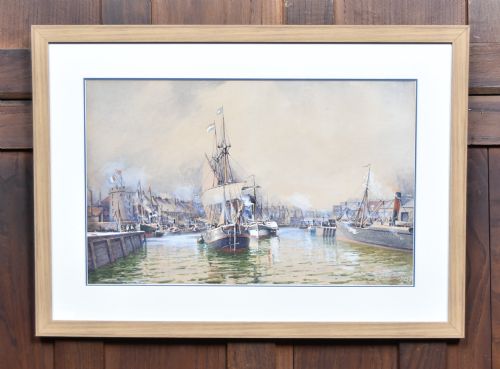
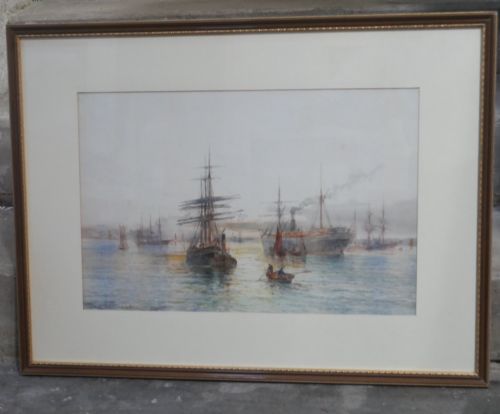
When you search for blue water marine painting, you encounter works depicting sailing ships, coastal waters, and harbour scenes executed across the nineteenth and early twentieth centuries. These pieces record maritime activity through varied regional perspectives, including British, Irish, and continental European schools.
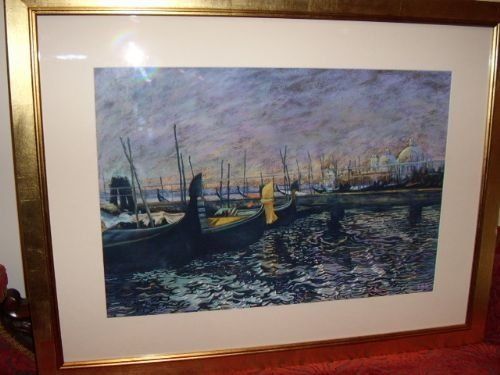
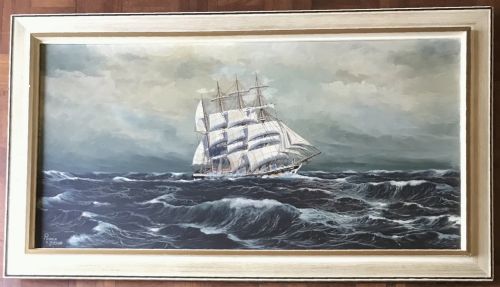
You are most likely to meet works on paper and canvas originating from the nineteenth century up through the nineteen-thirties. The subjects range from choppy waters and stormy seas to serene coastal views like Dublin Bay and the Grand Canal in Venice.
How they were made
Artists utilised watercolour and oil paint applied to supports such as paper, canvas, cardboard, and wood panels. These materials dictated the texture and permanence of each coastal view, capturing light on water through fluid washes or heavier brushwork.
Works often incorporated ink detailing alongside watercolour pigments to define rigging and hull structures on sailing craft. Framing behind glass protected paper works from environmental moisture, preserving the delicate ink and pigment layers.
Blue Water Marine Painting Retail Price Guide 2026
Typical asking prices for blue water marine painting among the pieces listed under this phrase on Sellingantiques today, from the lower quarter to the upper quarter. They describe what is for sale here now, not the wider market.
Several artists clearly braved choppy waters themselves to capture ships pitching off Scarborough and domestic fishing ports.
What varies in quality
The sophistication of atmospheric perspective and handling of light upon water separates works at different levels. Masterful control over fluid watercolour washes or textured oil paint creates convincing movement in choppy seas and coastal air.
Compositional balance and the accurate depiction of maritime architecture, from frigates to local fishing boats, distinguish skilled hands from generic regional productions.
William Frederick Settle·William Knox·Frederick William Booty·Arthur Joseph Meadows·Edward Aubrey Hunt
The Blue Water Marine Painting Glossary
- Watercolour
- A paint consisting of pigment suspended in a water-soluble vehicle, typically applied to paper supports. It allows for transparent washes that capture light and atmospheric conditions.
- Oil Paint
- A slow-drying paint made with pigments suspended in a drying oil, often linseed. It provides rich colour depth and substantial texture on canvas or wood panels.
- Cardboard
- A heavy paper-based material utilised as a rigid support for portable oil and watercolour paintings. It offered a practical and economical alternative to stretched canvas.
- Frigate
- A warship with a mixed sail and deck arrangement, frequently depicted in nineteenth-century naval and marine art. Artists recorded these vessels to document historic maritime fleets.
Blue Water Marine Painting: Frequently Asked Questions
What subjects appear in these paintings?
These works feature sailing ships, frigates, shipping traffic, and coastal scenes. Depicted locations include Dublin Bay, the River Humber, Venice, and the Mediterranean.
Scenes range from calm coastal towns to stormy seas with fishing boats and choppy waters.
How do I date a marine painting?
Dating relies on recorded periods, artist working spans, and stylistic markers such as Victorian maritime conventions or post-impressionist touches. Materials like card, panel, and paper also provide chronological clues.
Inscribed dates and signatures on the piece or frame often confirm the exact year of creation.
Where should I hang marine art?
Display these works away from direct sunlight and excessive moisture to protect paper supports, watercolours, and oil pigments. Proper framing behind glass safeguards works executed on paper.
Placing them on neutral walls allows the coastal tones and maritime details to remain the focal point.
How do watercolour and oil differ here?
Watercolour pieces utilise paper supports and transparent washes for delicate coastal light effects. Oil paintings employ canvas, wood panels, or cardboard with heavier, textured pigment.
Oils generally offer greater surface relief, while watercolours rely on the underlying paper brightness.