


Traditional Marine Painting
Traditional marine painting records the movement of shipping and the coastal weather of past centuries through oil and watercolour.
Traditional Marine Painting
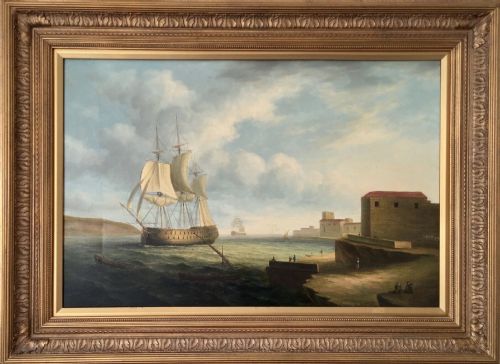
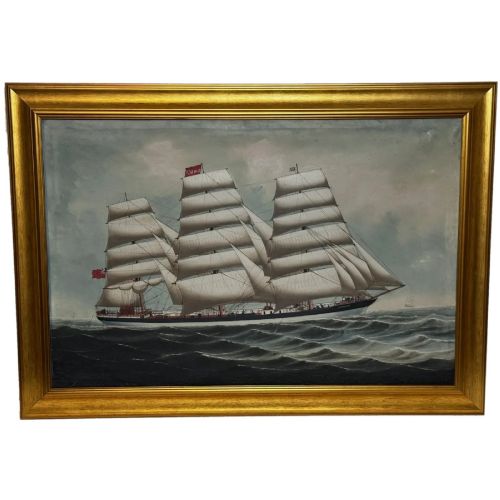
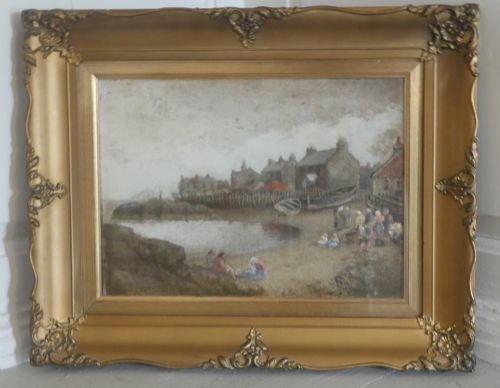
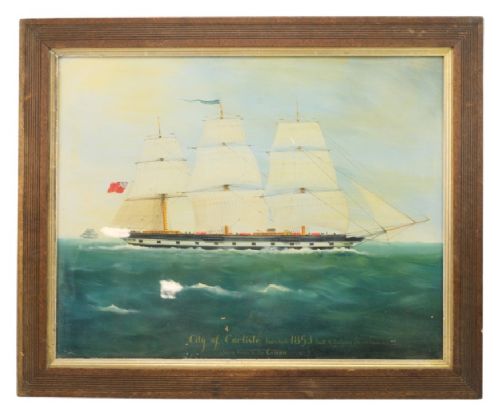
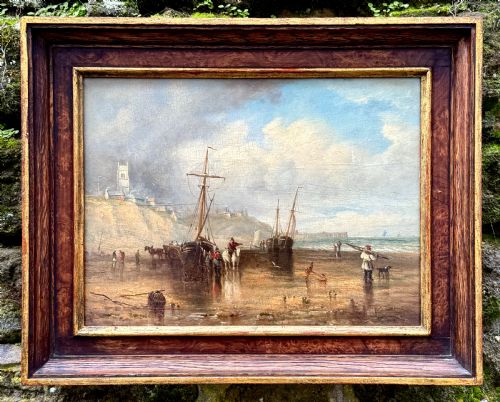
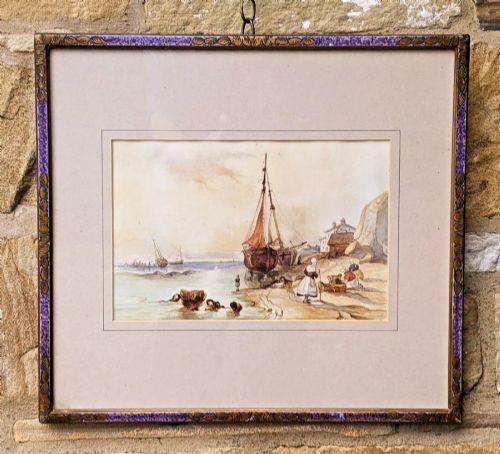
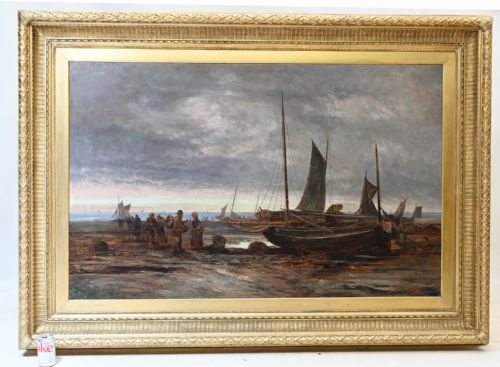
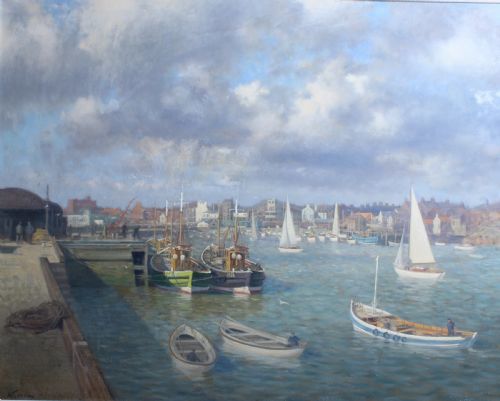
Traditional marine painting captures the maritime heritage of coastal ports, naval engagements and open seas. Buyers searching this phrase encounter works that range from grand warship portraits to quiet harbour scenes with fishing vessels.
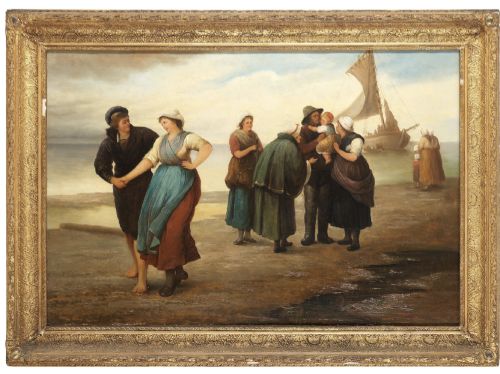
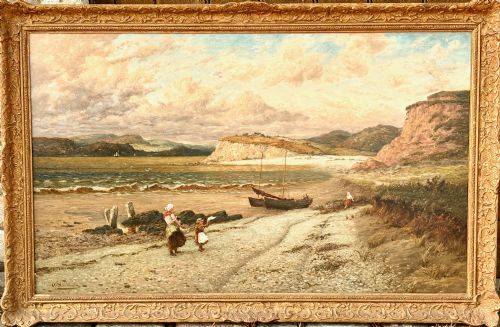
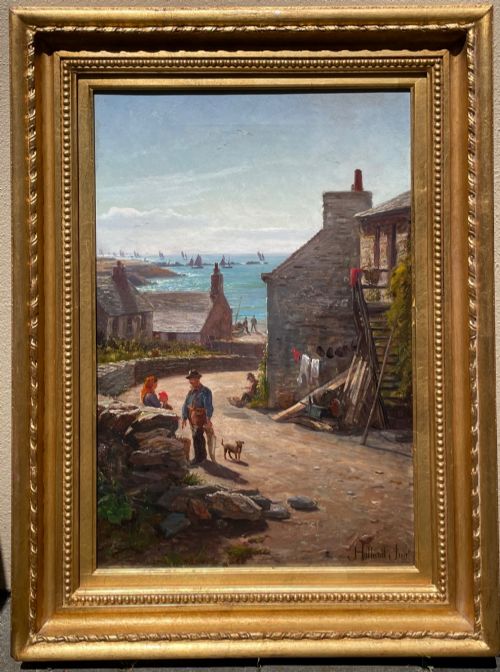
The versions most commonly met on this page date from the nineteenth century into the mid-twentieth century. These pieces record specific locations such as Cornish harbours, Mediterranean ports and Dutch waterways alongside imagined coastal landscapes.
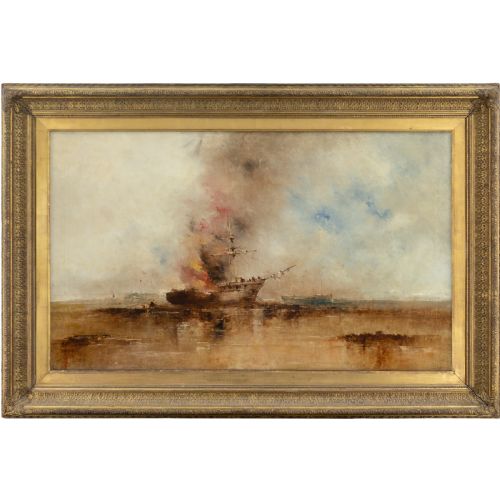
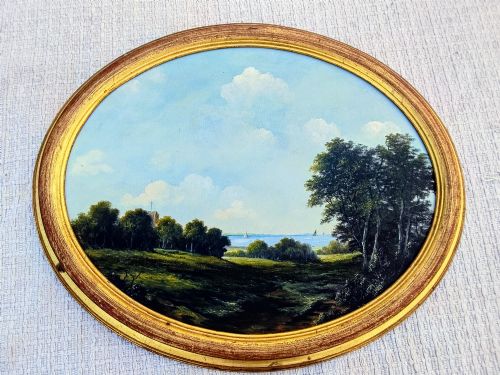
Works appear on canvas, panel and paper, framed in giltwood or simple wood surrounds. The subjects span calm estuaries, choppy seas and dramatic shipwrecks set against shifting skies.
What varies in quality in traditional marine painting
Quality rests upon the artist's command of maritime rigging, water movement and atmospheric light. Superior works demonstrate an accurate understanding of vessel architecture combined with fluid brushwork.
Compositional balance distinguishes the finest examples, where the placement of shipping creates a natural sense of scale and distance. Lesser works rely on formulaic layouts and stiff depictions of water.
Listings feature works spanning the eighteenth century through to the 1960s, executed in oil and watercolour on canvas, panel, wood, and paper.
James Hardy·William McAlpine·Reginald Arthur Borstel·Edward Mills·William Banks Fortescue·Thomas Creswick·Robert Leslie Howey·John Holland·Walter Goodin·Henry Barlow Carter·William Edward Webb·James Kyd·Thomas Bush Hardy·Stanley Leader·John McDougal·Hendrik Willebrord Jansen·George Hamilton Constantine·William Pitt·James Webb·Dion Pears·Antoine Bouvard Senior
The Traditional Marine Painting Glossary
- Seascape
- A painting depicting the sea, coastal views or marine subjects. This term covers both calm coastal waters and stormy open ocean scenes.
- Panel
- A rigid wooden support used by artists instead of stretched canvas. Panels frequently appear in nineteenth-century works and older depictions.
- Giltwood
- Wood carved and covered with a thin layer of gold leaf. This material forms the traditional ornate frames found around many antique paintings.
- Watercolour
- A paint consisting of pigment suspended in a water-based solution applied to paper. Watercolour marine paintings often capture bright coastal light and atmospheric skies.
Traditional Marine Painting: Frequently Asked Questions
How do I date a marine painting?
Dating relies on the style of the vessels depicted, the costume of any figures on the shore, and the framing materials. Ship rigging and hull designs changed noticeably across the nineteenth century.
Signatures, artist records and exhibition labels attached to the stretcher or frame provide further chronological clues. Canvas types and stretcher construction also help confirm the period of creation.
Where should I hang a marine painting?
Marine paintings suit rooms with stable humidity away from direct sunlight to protect pigments and paper from fading. Traditional gilt frames pair well with both period properties and neutral contemporary walls.
Consider the scale of the canvas when positioning the piece above furniture. Large maritime scenes command open wall space, whilst smaller watercolours suit intimate areas.
What is the difference between oil and watercolour marine art?
Oil paintings utilise heavy pigments on canvas or panel, offering rich texture and deep colour saturation. They capture dramatic lighting on stormy seas and detailed ship structures.
Watercolours employ translucent washes on paper, creating lighter, luminous depictions of coastal atmospheres. They require protective glass framing to prevent moisture damage.
How do I care for antique marine paintings?
Maintenance involves dusting frames gently with a dry, soft brush and keeping paintings away from sudden temperature shifts. Avoid using chemical cleaners on canvas surfaces or gilt frames.
Consult a professional art conservator if the canvas sags or if the varnish yellows over time. Proper environmental control preserves both the paint layer and the wooden support.