



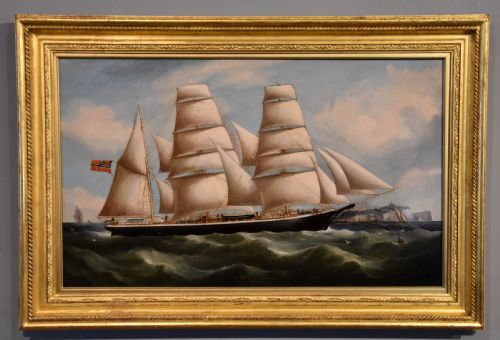
Blue Sea Marine Art
Blue sea marine art records maritime history through paintings and watercolours that capture coastal harbours, naval vessels and open waters.
Blue Sea Marine Art
Collectors seeking blue sea marine art examine framed paintings, oil works and watercolours depicting coastal scenes, sailing ships and naval engagements. The items span the Victorian era, the Edwardian period and mid-century modern decades, stretching from the nineteenth century into the twentieth.
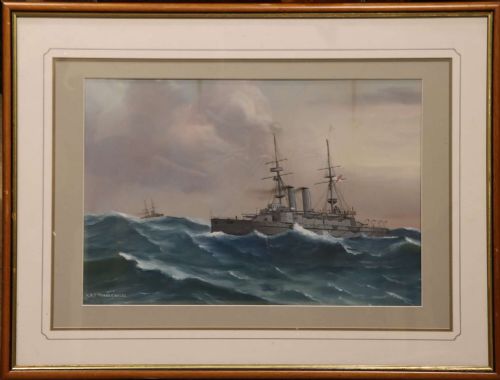
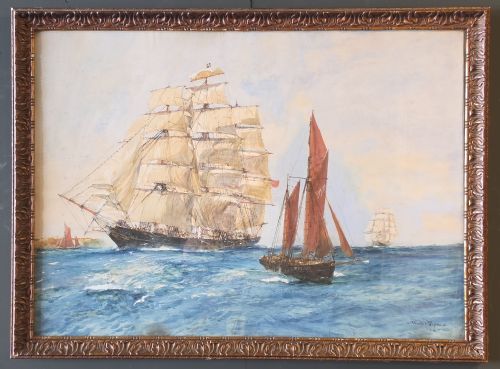
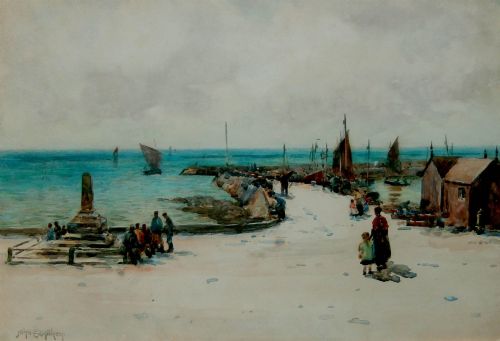
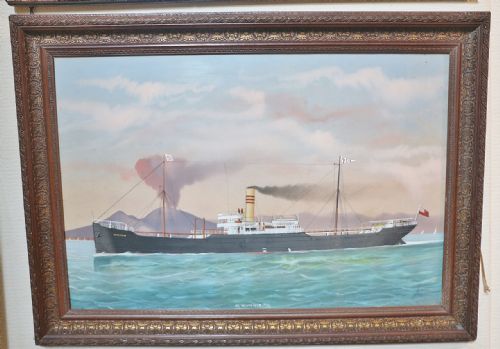
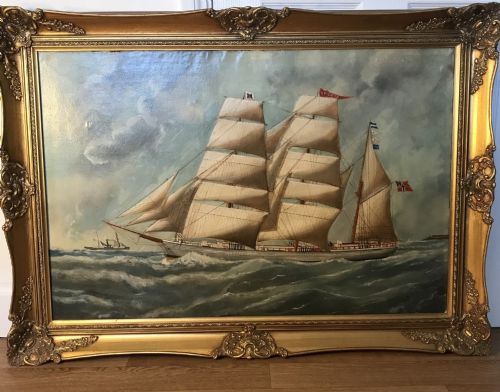
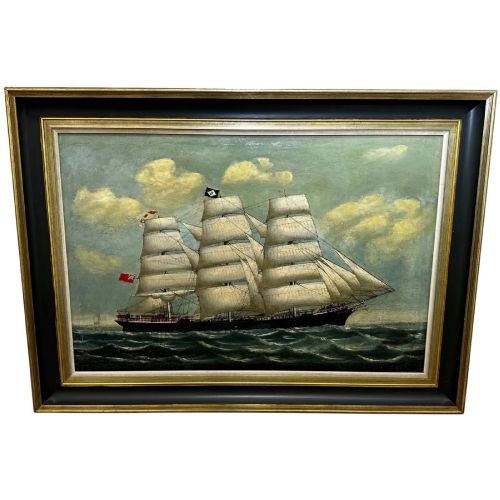
The most common examples on this page are nineteenth-century and early twentieth-century watercolours and oil paintings on canvas, paper or board. These pieces frequently illustrate British fishing boats, Cornish harbours and international sailing ships navigating coastal waters.
Materials and methods
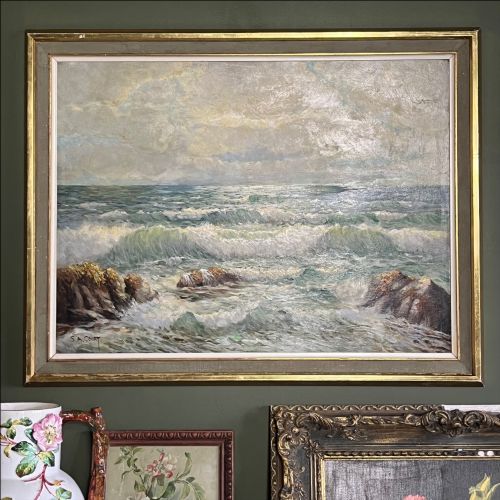
Artists painted these marine subjects utilising oil paint on canvas or board, alongside delicate watercolour and gouache on paper. Canvases provide textured depth for turbulent waves, while paper surfaces allow fine detail in ship rigging and coastal architecture.
Many works retain their period wooden frames, occasionally incorporating gilded details that match the traditional aesthetic of maritime framing. Pigments applied en plein air capture changing coastal light and atmospheric storm conditions directly from life.
Materials documented across the listings include oil paint, canvas, watercolour, gouache, paper, wood, glass and gilded wood.
Quality and execution
Quality rests upon the artist's command of maritime architecture, spatial perspective and atmospheric conditions over water. Superior works demonstrate precise rigging on sailing vessels and convincing movement in breaking waves, whereas lesser pieces display rigid forms and flat washes.
The provenance and attribution to documented painters elevate individual works above anonymous school pieces. Signed watercolours and oils by recognised marine artists command stronger interest through their established records.
Reginald Arthur Borstel·Charles Edward Dixon·Bernard Benedict Hemy·George Stanfield Walters·Charles Napier Hemy·William Lee Hankey·Daniel Sherrin·Stephen J Renard
The Blue Sea Marine Art Glossary
- Gouache
- An opaque water-based medium that produces flat, saturated areas of colour. It is frequently combined with watercolour in maritime works to highlight foam and clouds.
- En plein air
- Painting outdoors to capture natural light and transient weather conditions. This approach is common in coastal scenes depicting shifting seas.
- Pierhead painting
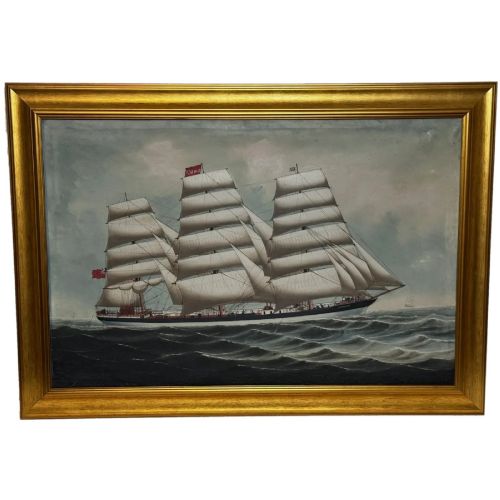
- A specific genre of ship portrait created for sailors and shipowners, typically depicting a named vessel outside a specific port.
- Watercolour
- A translucent painting medium utilising finely ground pigments suspended in a water-soluble binder. It is applied to paper to achieve luminous skies and water.
Blue Sea Marine Art: Frequently Asked Questions
What periods do these marine paintings cover?
The works span from the nineteenth century through the Edwardian era into the mid-twentieth century. Artists recorded maritime subjects across these changing decades using traditional painting methods.
Victorian and Edwardian pieces sit alongside later twentieth-century interpretations of coastal harbours and naval vessels.
How were these maritime scenes displayed?
Historic marine paintings were typically housed in substantial wooden frames designed to protect the canvas or paper from environmental damage. Many retained gilded wooden mouldings suited to domestic display in maritime homes.
Original framing helps preserve the context and period integrity of the artwork.
Are these paintings signed by the artists?
Numerous works feature artist signatures, studio attributions or period inscriptions detailing the specific vessel and location. Signed pieces often provide clearer historical context regarding the maritime subject.
Unsigned works are frequently attributed to regional schools based on style, technique and subject matter.
What subjects appear most frequently?
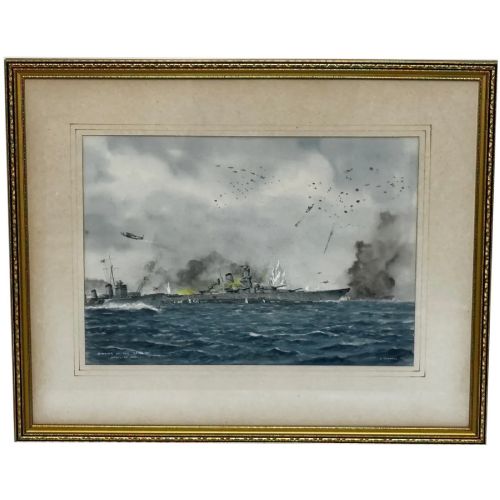
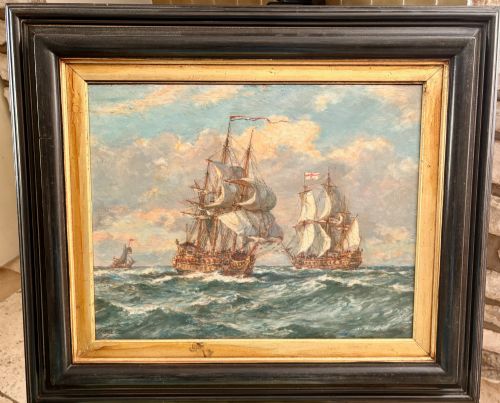
Common subjects include fishing boats navigating coastal waters, three-masted schooners, naval battles and specific harbours such as St Ives and Scarborough. Artists also documented named merchant vessels and steamships.
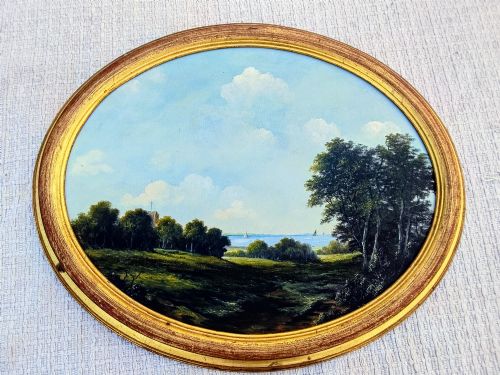
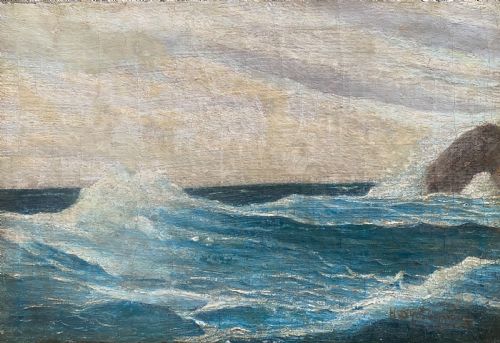
Stormy seas and calm coastal inlets both feature prominently across the available paintings.