


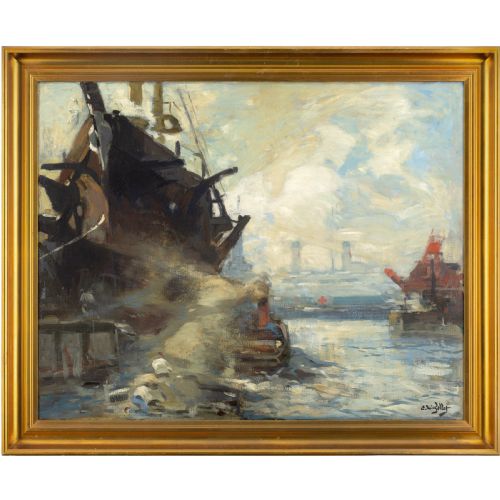
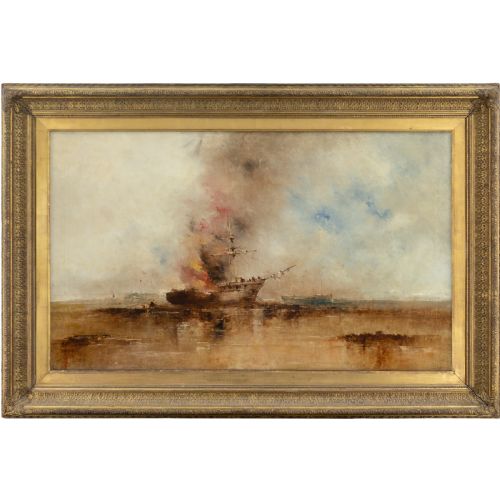
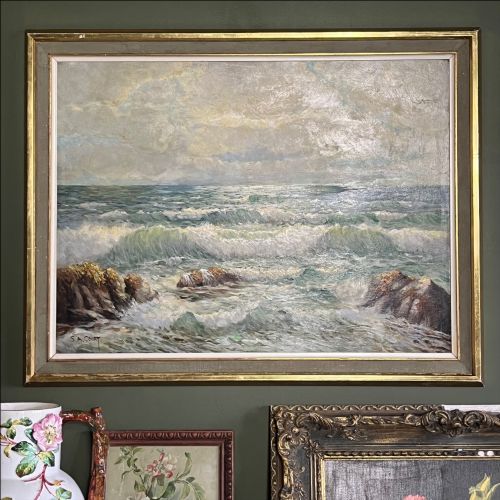
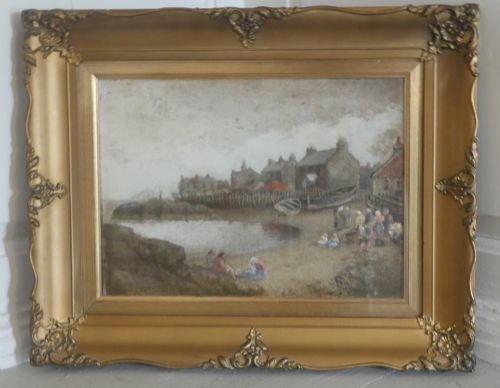

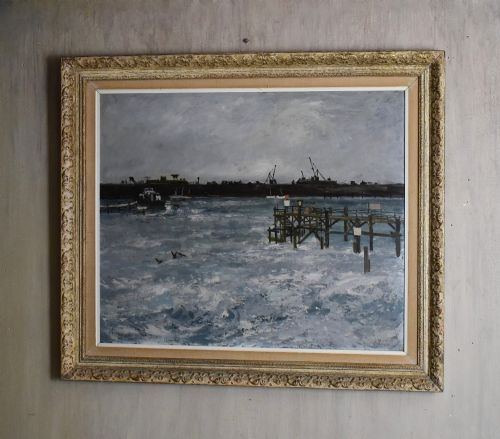
Gilt Framed Seascape Painting
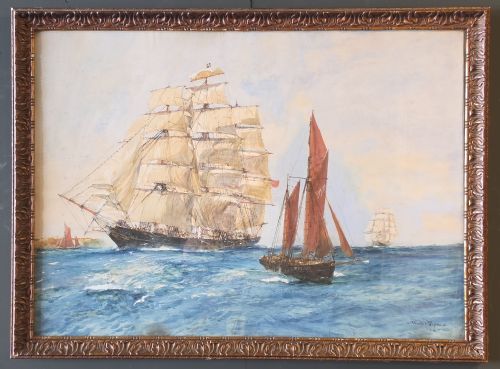
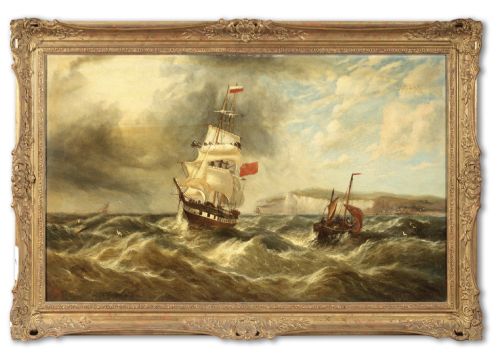
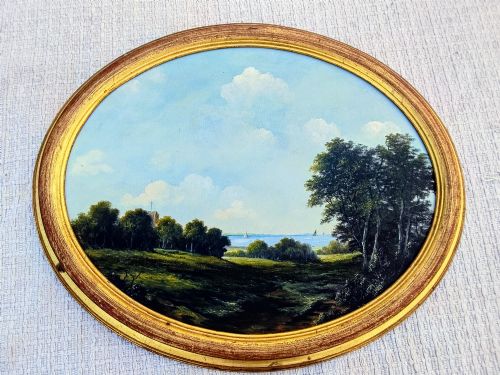
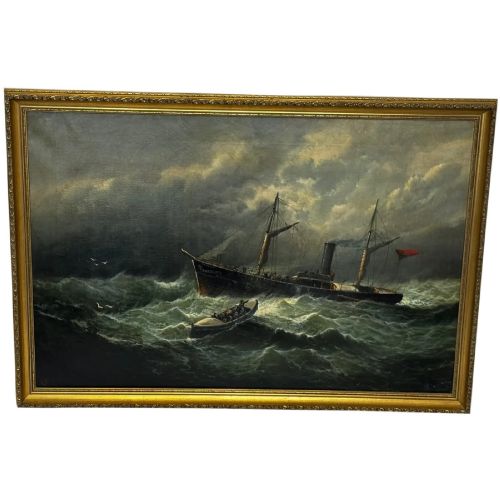
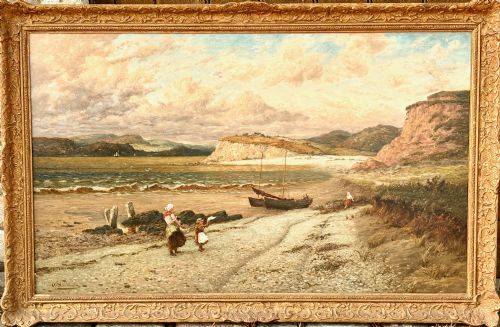
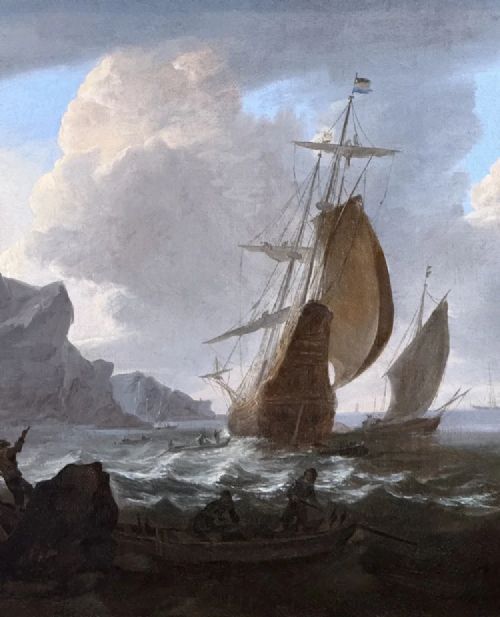
These gilt framed seascape painting examples bring turbulent waters, coastal shipping and maritime drama directly to a wall.
Understanding gilt framed seascape painting
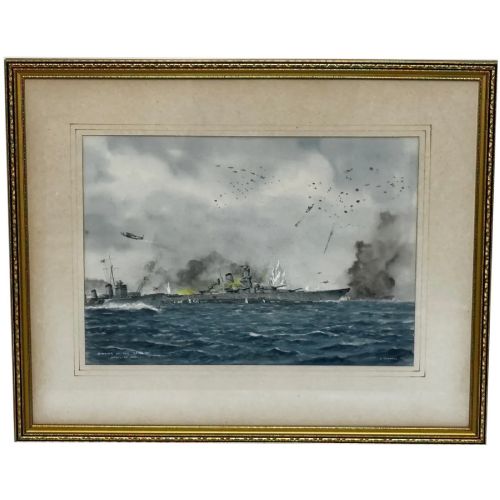
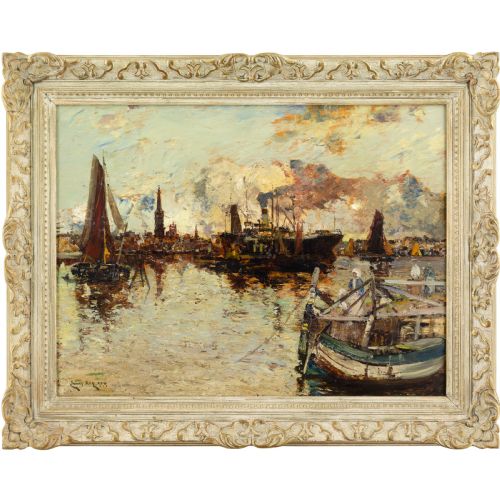
A gilt framed seascape painting captures maritime subjects, ranging from moonlit rivers to dramatic shipwreck rescues, enclosed within decorative gold leaf surrounds. Buyers searching this phrase encounter works executed in oil on canvas and oil on board across the nineteenth century and into nineteen-twenty.
The visual focus centres on marine activity, including shipping scenes on the Medway and coastal vessels near Whitby Abbey. These pieces span Victorian marine art and nineteenth-century maritime traditions, offering a distinct record of historic watercraft and coastal weather.
Most examples rely on traditional oil techniques applied to sturdy supports like canvas or board. The enclosing frames utilise wood, gesso and gilding to complement the maritime scenes within.
Materials and construction
Painters utilised oil pigments applied to prepared canvas or wooden board supports to achieve the varied textures of water, sky and sails. These mediums allowed artists to build up luminous night skies and turbulent coastal waves.
The surrounding frames combine wood foundations with layers of gesso to build decorative relief details. A final application of gilt or giltwood provides the bright metallic finish characteristic of these period presentations.
Current listings and archive records feature oil on canvas, oil on board, wood, gesso, and gilt materials.
Assessing quality
Quality reveals itself in the handling of light, atmospheric depth and the precise depiction of maritime rigging or hull structures. Superior works demonstrate confident brushwork that captures the movement of water and moonlight without stiffness.
The integrity of the frame construction and the preservation of the original gilt surface influence the overall character of the piece. Well-preserved frames complement the oil painting without overwhelming the maritime subject matter.
Hubert Thornley·William Henry Williamson
The Gilt Framed Seascape Painting Glossary
- Oil on canvas
- Pigments bound in drying oil applied to a woven fabric stretched over a wooden frame. This primary support provides a slight give and a textured surface for brushstrokes.
- Giltwood
- Wood carved and coated with gold leaf or gold paint. It forms the decorative border that frames and elevates the artwork.
- Gesso
- A plaster-like mixture applied to wooden frame mouldings as a base for gilding. It allows craftsmen to carve intricate relief ornaments before applying gold leaf.
- Marine oil painting
- A fine art genre dedicated to ships, ocean views and coastal waters executed in oil. These works document maritime history and nautical architecture.
Frequently Asked Questions
What periods do these paintings come from?
The available evidence shows pieces originating from the nineteenth century, including eighteen-eighty, and extending to nineteen-twenty.
These dates encompass Victorian marine art and nineteenth-century maritime traditions.
What materials were used for the frames?
Frames are constructed from wood finished with gesso and gilt or giltwood.
These materials created ornate, reflective borders designed to enhance the oil paintings.
What subjects appear in these scenes?
Subjects include shipping on rivers like the Medway, moonlit waters and dramatic coastal rescue narratives.
Artists focused on historic watercraft, stormy seas and recognisable coastal landmarks such as Whitby Abbey.
How should I care for an oil on board painting?
Keep the artwork away from direct sunlight and steady fluctuations in humidity to protect the wooden board and oil pigments.
Dust the gilt frame gently with a soft, dry brush to preserve the delicate gold leaf surface.