


Vintage Tall Ship Painting
A vintage tall ship painting captures the scale and movement of traditional sailing vessels across decades of maritime art.
Vintage Tall Ship Painting
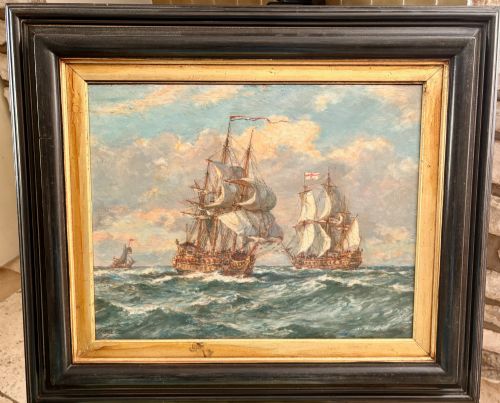
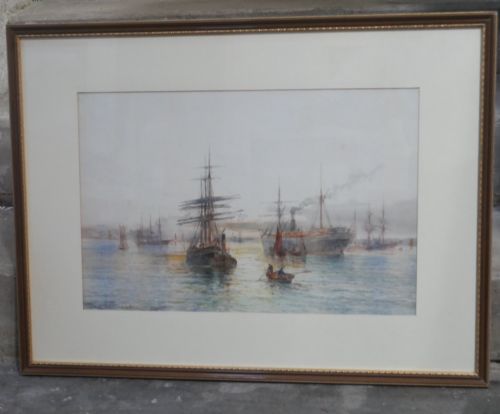
A vintage tall ship painting depicts large sailing vessels, clippers, and marine scenes originating from periods spanning the Victorian era through the mid twentieth century. These works capture specific vessels, historic engagements, and coastal harbours in varied settings.
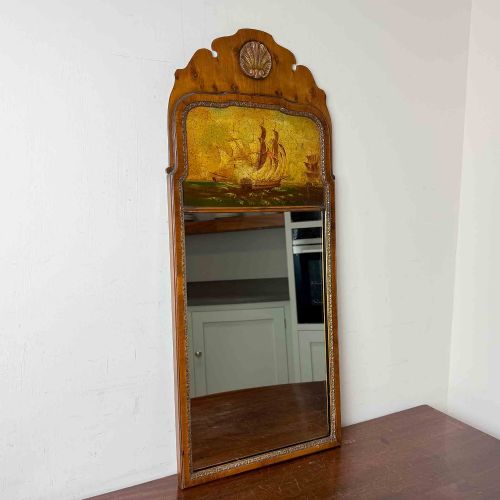
The selection ranges from detailed watercolours on paper to substantial oil paintings on canvas and board. Buyers encounter both framed wall art and works integrated into period furnishings such as yew wood mirrors.
Originating across the nineteenth and twentieth centuries, these paintings reflect the enduring appeal of maritime subjects through styles including Victorian marine art, maritime realism, and mid-century marine realism.
How They Were Made
Artists utilise oil paint and watercolour applied to stretched canvas, prepared wooden boards, and paper supports. Many works incorporate traditional framing utilising wood and gilt finishes.
Compositions rely on detailed brushwork to render rigging, hull structures, and atmospheric water conditions, frequently paired with protective glass for works on paper.
Listings feature works executed in oil paint, watercolour, and mixed media across the Victorian, Edwardian, and mid-twentieth-century periods.
What Varies in Quality
Quality rests in the precision of the vessel depiction and the handling of light, water, and atmospheric conditions by the artist. Works by documented marine painters demonstrate superior anatomical accuracy in rigging and hull construction compared to anonymous studio pieces.
The condition of the canvas, board, or paper surface together with the originality of the mounting influences the overall character of the piece.
Bernard Gribble·William Frederick Settle·Dion Pears·Frank Wood·Joseph Heard·William Boyce·Rowland H. Hill·Henry Scott Tuke
The Vintage Tall Ship Painting Glossary
- Watercolour
- A painting method where fine pigments are suspended in a water-based solution on paper.
- Gilt
- A thin layer of gold leaf applied to wood frames or decorative surfaces to provide a metallic finish.
- Seascape
- A work of art depicting the sea, coastal views, or ships underway.
- Provenance
- The documented history of ownership associated with a work of art.
Vintage Tall Ship Painting: Frequently Asked Questions
How do I date a maritime painting?
Dating relies on the costume of figures, the architectural details of shorelines, and the rig of the vessels depicted. Signatures and framing styles provide additional clues to the period of execution.
Material analysis of the canvas, board, and pigments helps confirm whether a work originates from the Victorian era or the twentieth century.
Where should I hang a marine painting?
These works suit traditional studies, living rooms, and hallways where adequate wall space allows proper viewing of detailed rigging and water scenes. Position pieces away from direct sunlight to protect pigments from fading over time.
Pairing oil paintings with traditional wooden frames enhances their presence within period interiors.
What is a ship portrait?
A ship portrait is a specialised marine painting commissioned to record the exact appearance of a specific vessel, often shown under full sail or entering a named harbour. These compositions prioritise accuracy in the depiction of masts, sails, and flags.
Artists frequently documented commercial clippers, naval vessels, and local packet ships for shipowners and captains.
How do I clean an oil painting?
Surface dust should be removed gently with a soft, dry brush without applying pressure to the paint layer. Avoid using water or liquid cleaners on oil on canvas or board.
Professional conservators should handle any deeper cleaning or removal of discoloured varnish to prevent damaging the underlying pigment.