
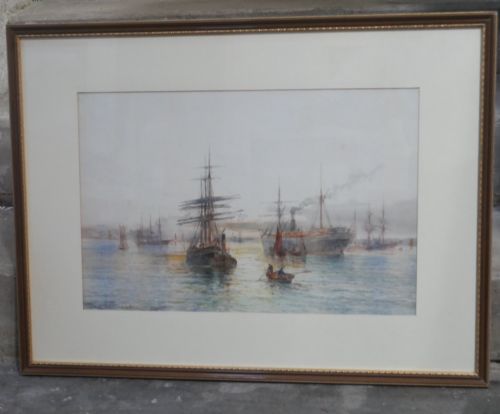


Antique Tall Ship Artwork
Antique tall ship artwork captures the majesty of historic sailing vessels through oils and watercolours spanning the Georgian, Victorian and Edwardian eras.
Antique Tall Ship Artwork
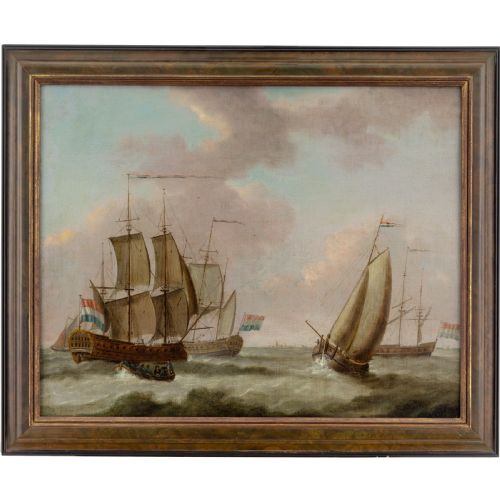
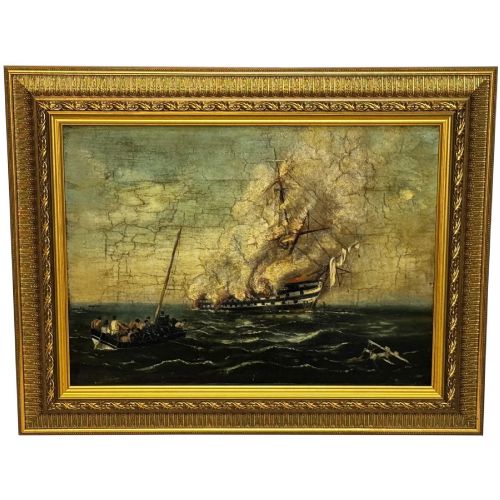
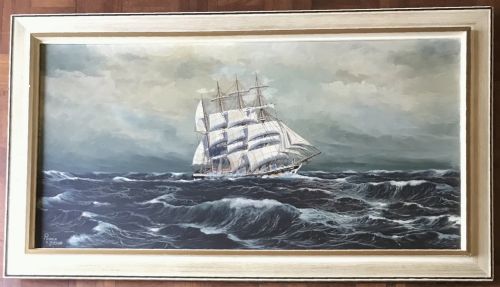
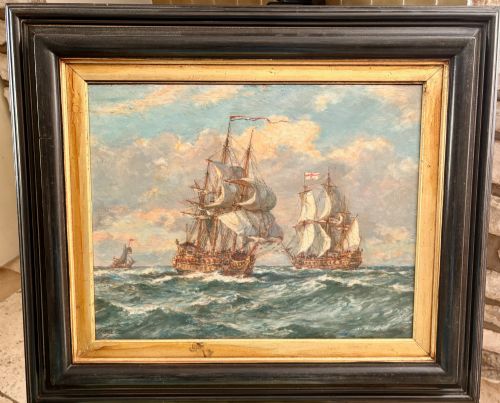
When you examine antique tall ship artwork, you encounter maritime scenes depicting clippers, barques, and warships upon the open sea or sheltered harbours. These works span from the Georgian period through the Victorian and Edwardian eras, documenting the age of sail through detailed marine art.
The pieces you are most likely to meet on this page include framed oil paintings on canvas and board alongside delicate watercolours on paper. Subjects range from dramatic ship portraits off lighthouses to bustling harbour scenes and historic naval engagements.
How they were made
Artists captured these maritime subjects primarily using oil paint on canvas or wooden panel, building up rich layers to depict churning seas and billowing canvas. Watercolours on paper were also widely utilised, offering a lighter medium favoured for coastal sketches and detailed vessel studies.
Finished works were typically housed in traditional frames made of wood and giltwood, designed to complement the maritime subject matter. These materials reflect the standard practices of nineteenth and early twentieth-century painters.
The selection includes pieces dated across the Georgian, Victorian, Edwardian, and 1930s periods.
What varies in quality
The distinction between standard and superior pieces rests upon the artist's grasp of nautical architecture and atmospheric perspective. Works by documented painters demonstrate a precise understanding of rigging, hull design, and water movement that elevates the composition.
Handling of light and the depiction of turbulent weather conditions further divide routine maritime scenes from exceptional examples. The integration of coastal figures and specific geographic backdrops adds depth and historical context to the better works.
Bernard Gribble·William Frederick Settle·John Callow·Frank Wood·Joseph Heard·William Boyce·Frank Wasley·George Stainton·Rowland H. Hill·Henry Scott Tuke·Stephen Brownlow
The Antique Tall Ship Artwork Glossary
- Barque
- A sailing vessel with three or more masts having the fore and mainmasts square-rigged and the mizzenmast fore-and-aft rigged. This configuration was common for large merchant ships of the nineteenth century.
- Seascape
- A painting, photograph, or other work of art which depicts the sea. These works form the primary category for maritime and shipping artwork.
- Watercolour
- A paint whose liquid binder is a water-soluble solution, applied here to paper supports. It was frequently used for brisk marine sketches and finished coastal views.
- Giltwood
- Wood that has been treated with gold leaf or a gold-coloured finish. This material is typical of traditional picture frames enclosing nineteenth-century canvases.
Antique Tall Ship Artwork: Frequently Asked Questions
How do I identify the period of a maritime painting?
Dating often relies on the rigging and type of vessel depicted, alongside the style of the frame and the artist's recorded working dates. Clothing on any figures and architectural details in harbour backgrounds provide further clues.
Signatures, dates inscribed on the reverse, and the medium itself help narrow down whether a piece originates from the Georgian, Victorian, or Edwardian era.
What is the difference between an oil and a watercolour?
Oil paintings utilise pigment suspended in drying oil on canvas or wooden panels, allowing for heavy texture and rich, deep tones. Watercolours use water-soluble pigments on paper, creating a more translucent and luminous effect.
Oils were generally preferred for grand, durable display pieces, while watercolours often captured immediate atmospheric impressions during coastal travels.
Where should I hang a marine painting?
These works suit rooms with stable humidity and indirect natural light to protect the canvas, paper, and giltwood frames from fading or warping. Placing them away from direct heat sources ensures the longevity of both the paint layer and the wooden support.
A study, living room, or hallway with traditional decor often provides a fitting backdrop for the nautical themes and rich tones of nineteenth-century shipping art.
How do I care for antique canvas and paper art?
Maintain a consistent indoor climate to prevent the expansion and contraction of wood panels and canvas supports. Dust frames gently with a dry, soft cloth without applying liquid cleaners directly to the painted surface.
Works on paper require protection from direct sunlight to avoid fading the delicate watercolours. Professional framing with conservation-grade materials safeguards the piece over time.