



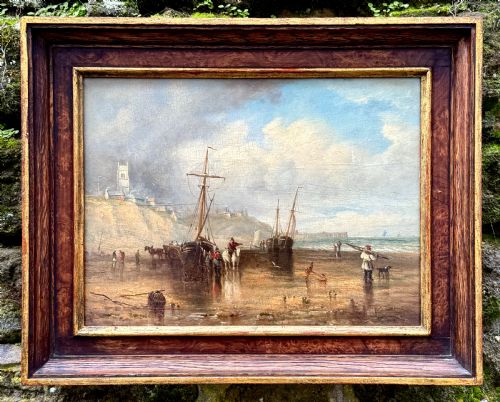
Blue Maritime Wall Art
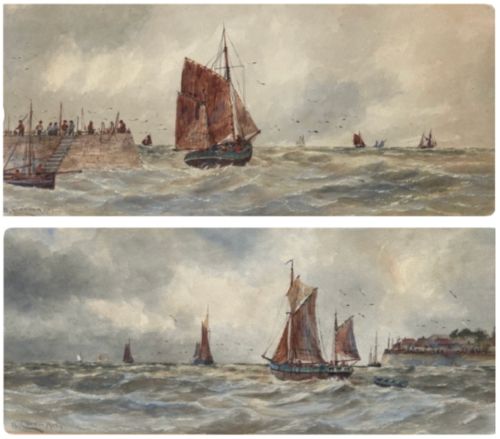
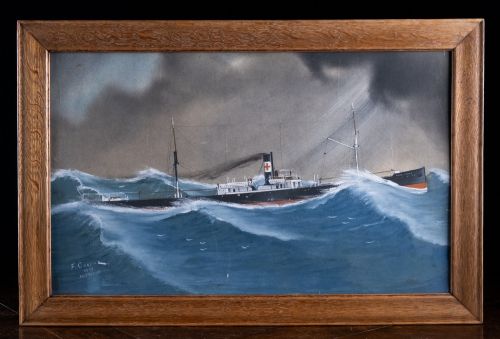
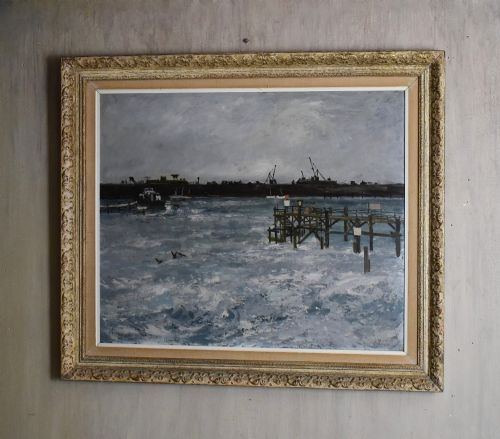
Blue maritime wall art captures the movement and danger of the sea through period dioramas, watercolours and prints.

Identifying Blue Maritime Wall Art
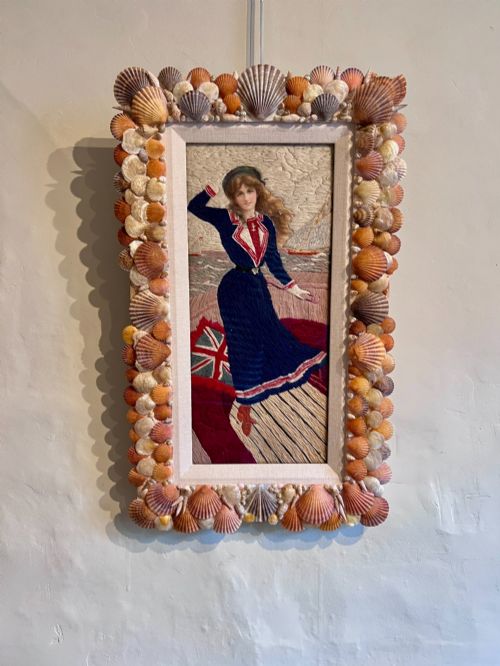
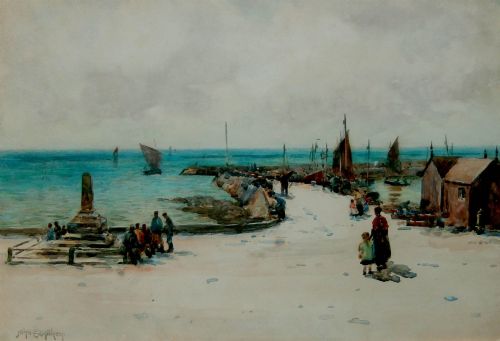
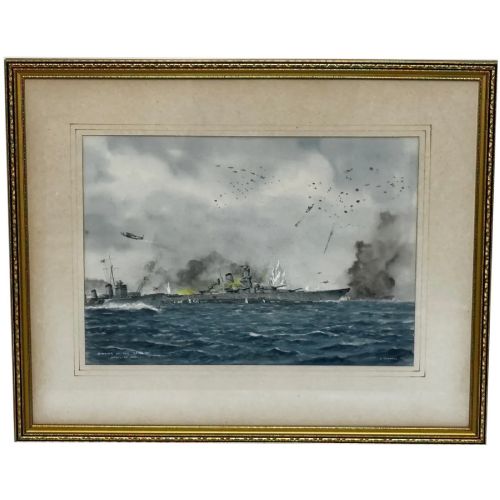
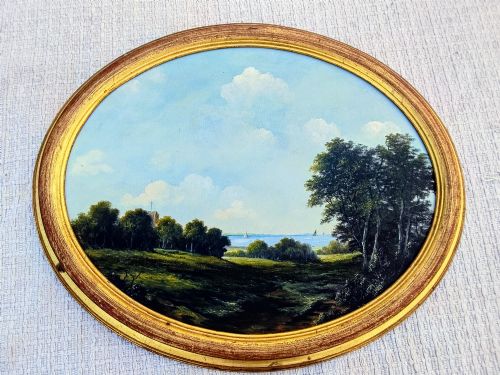
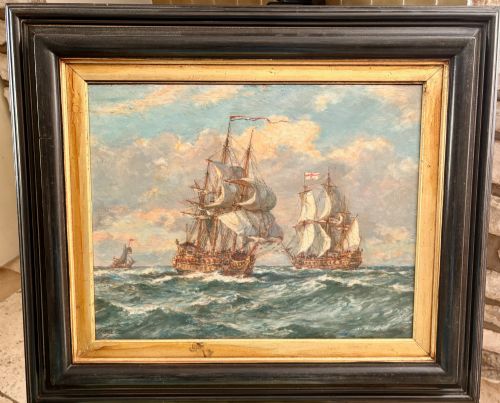
Blue maritime wall art encompasses framed watercolours, original prints, and dimensional shadow box dioramas depicting coastal scenes and seafaring vessels. These works capture the enduring fascination with nautical life through diverse artistic interpretations ranging from military art to maritime folk art.
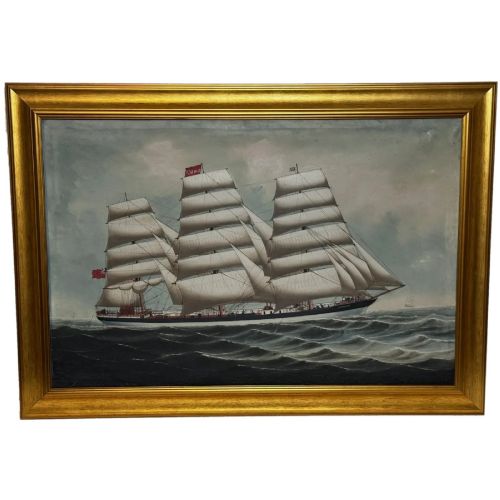
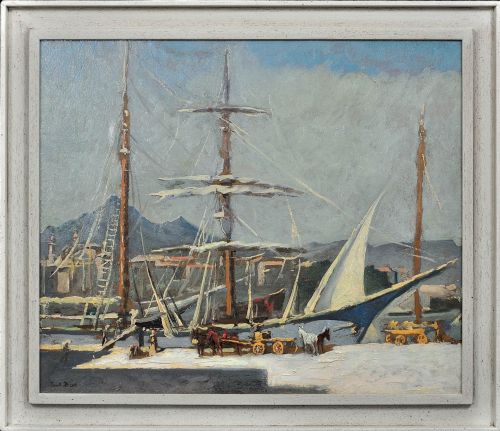
The pieces available here lean heavily into historical depictions, featuring named steamships, four-masted sailing vessels, and French coastal scenes. Buyers will encounter Edwardian works alongside nineteenth-century creations that use varied physical depths to represent the ocean.
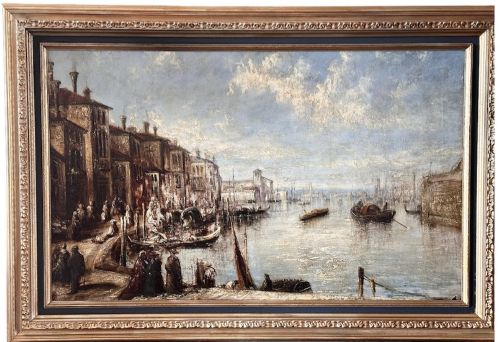
Subjects span from tranquil European ports to dramatic coastal waters, reflecting both British impressionism and traditional folk craftsmanship. Each format offers a distinct way to bring historic maritime aesthetics into an interior space.
Materials and Construction
Makers utilised a combination of traditional media such as watercolour paint and ink on paper, often paired with protective glass and wooden framing. Prints from this era relied on established reproductive techniques to capture fine line work and tonal variation.
Dimensional pieces incorporate carved wood, plaster, and fabric to build up layered scenes within maritime shadow boxes and dioramas. These mixed media constructions required careful assembly to give painted waves and sculpted hulls a convincing sense of perspective and depth.
Retail Price Guide 2026
Typical UK retail prices for blue maritime wall art, calculated from the Sellingantiques database of over a million retail prices indexed since 2003. This retail price guide relies exclusively on Sellingantiques data; no external sources or auction records are used, so the figures do not describe the wider market.
Some nineteenth-century makers utilised real fabric scraps for tiny ship flags, adding a touch of domestic textile work to high seas drama.
Assessing Quality and Execution
Quality rests in the precision of the draughtsmanship and the stability of the materials used in both flat works and dioramas. Finer watercolours and original prints display confident handling of light and maritime atmosphere, whereas lesser examples lack structural and tonal clarity.
In three-dimensional shadow boxes and dioramas, the sophistication of the carved wooden hulls and the integration of painted backgrounds determine the level of artistry. Superior works maintain their structural integrity across mixed media elements like plaster and fabric over decades.
William Lee Hankey·Snaffles
The Blue Maritime Wall Art Glossary
- Shadow Box
- A deep, glass-fronted framed case designed to hold three-dimensional objects. This format allows dioramas of ships to include layered physical elements.
- Watercolour Painting
- A medium where coloured pigments are suspended in a water-based solution on paper. Artists utilised this for fluid seascapes and atmospheric coastal views.
- Maritime Folk Art
- Artistic creations made by self-taught or sailor makers outside formal academic traditions. These pieces often prioritise direct narrative and clever use of found materials.
- Turneresque
- A stylistic descriptor evoking the dramatic light and atmospheric brushwork associated with J.M.W. Turner. It appears in seascapes that prioritise emotional impact over strict topographical accuracy.
Frequently Asked Questions
What is a maritime shadow box?
A maritime shadow box is a deep, glazed frame enclosing a three-dimensional scene of ships and coastal views.
Craftsmen built these pieces using carved wood, fabric, and plaster to create realistic depth on a wall.
Where should I display maritime art?
These pieces suit studies, hallways, or living spaces away from direct sunlight to protect fragile watercolours and paper.
Keep them in rooms with stable humidity to preserve the wooden frames and internal shadow box elements.
How do I date a maritime print?
Dating relies on stylistic markers, artist signatures, framing methods, and the specific vessel types depicted in the artwork.
Written inscriptions on the reverse or within the title often provide precise historical context.