
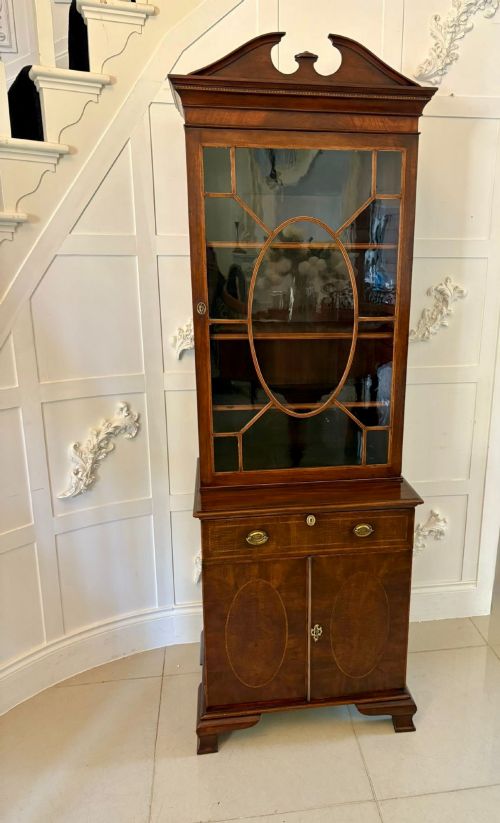


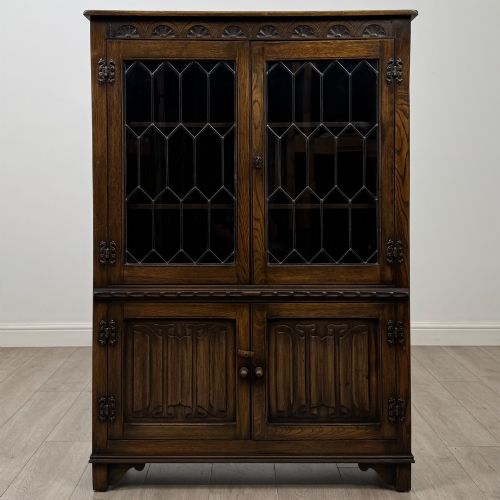
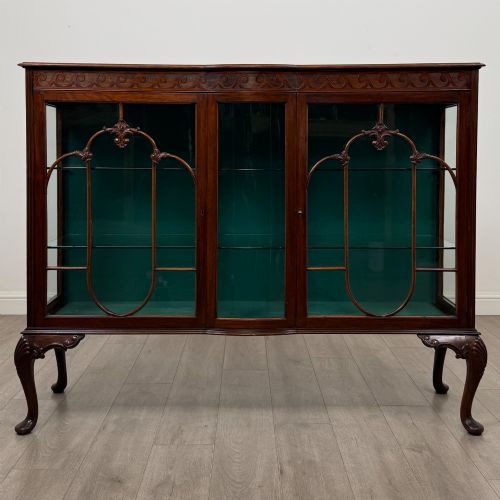
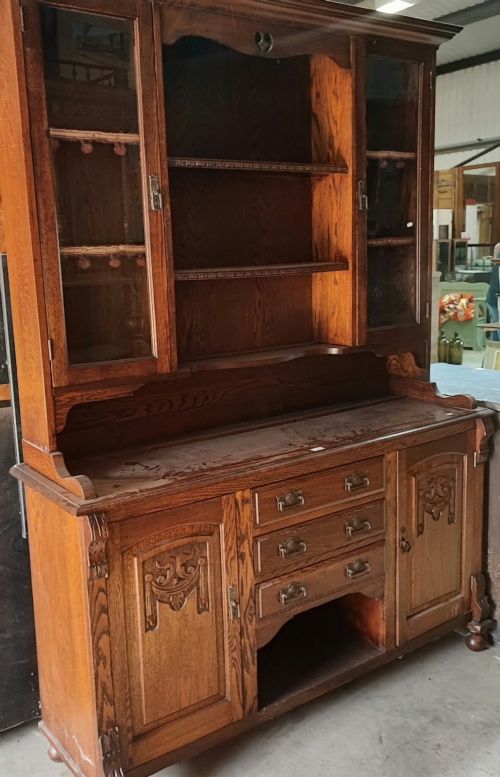
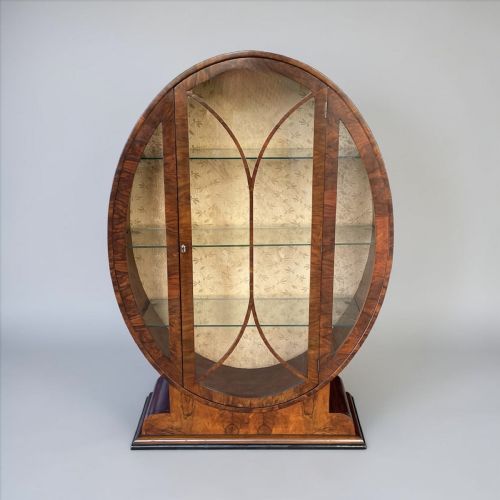
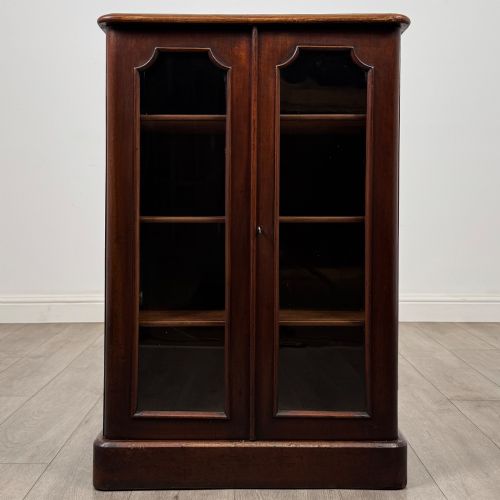
Vintage China Display Cupboard
A vintage china display cupboard protects and frames domestic porcelain behind glass, bringing architectural timber and clear panes into a dining room or drawing room.
Vintage China Display Cupboard
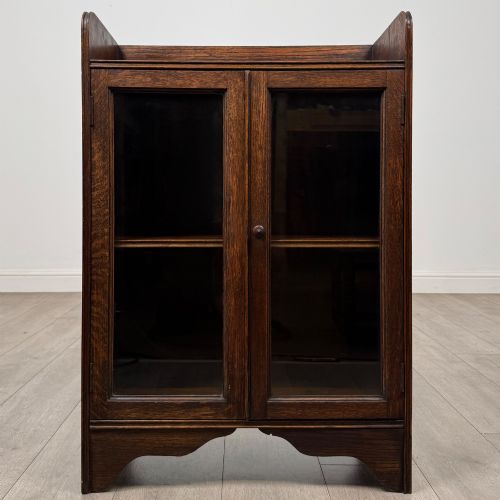
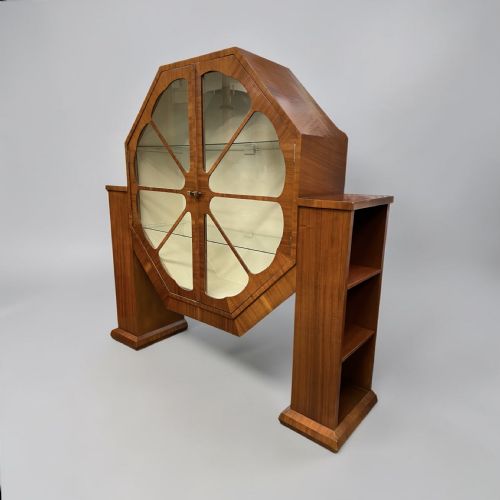
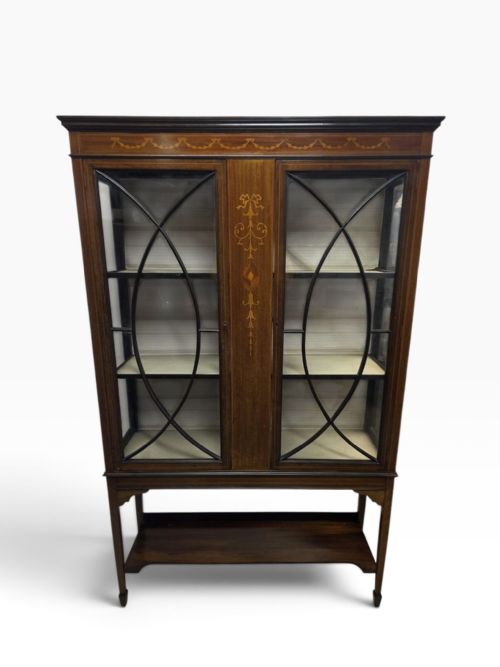
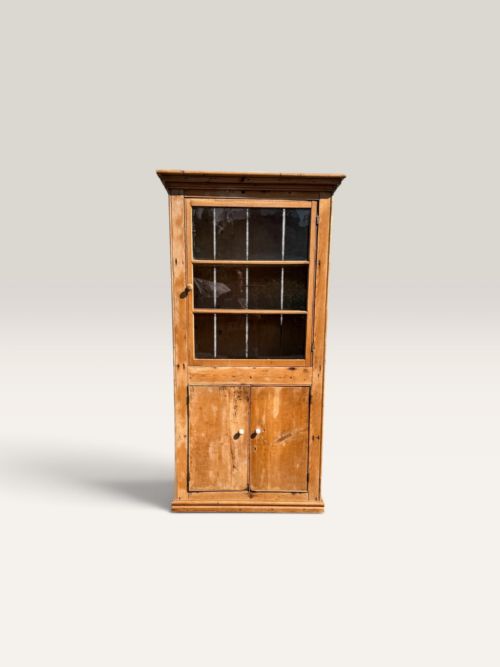
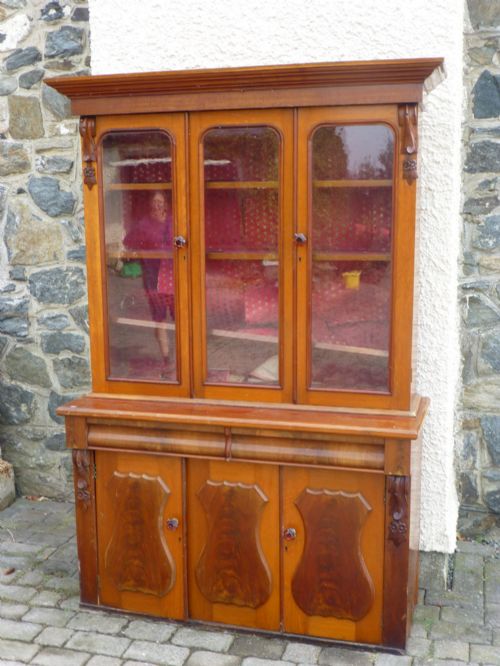
When you search for a vintage china display cupboard, you encounter timber furniture designed specifically to hold and exhibit ceramics behind glass doors. The pieces span periods from the eighteenth century through the Victorian era and Edwardian years into the Art Deco epoch of nineteen thirty.
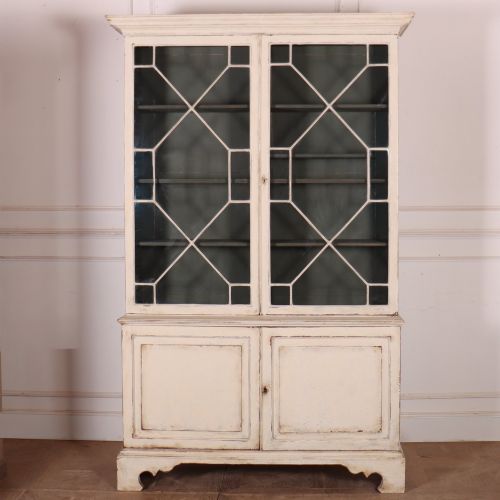
You meet a variety of forms on this page, including upright display cabinets, glazed bookcases, corner cupboards, and kitchen dressers with hutches. The Edwardian examples in mahogany or oak appear most frequently alongside nineteenth-century glazed pine and walnut pieces.
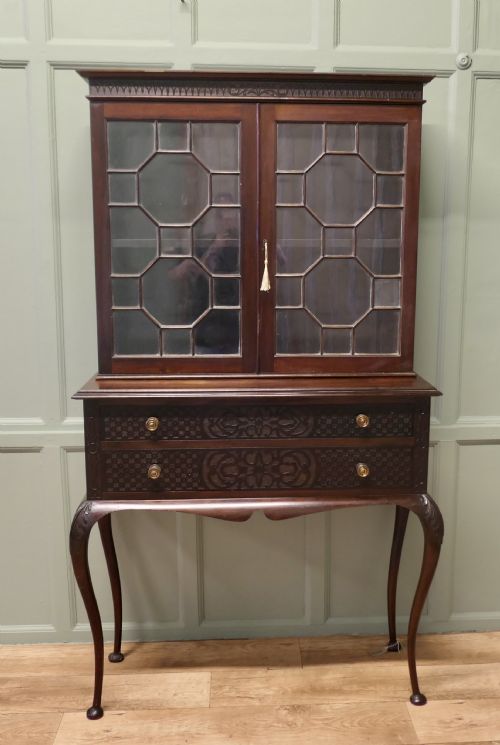
Makers and cabinetmakers utilised styles ranging from Sheraton Revival and Chinese Chippendale to plain geometric Art Deco lines. These cabinets serve to keep dust from fine dinner services while letting light pass through leaded or astral glazing onto the shelves within.
Materials and construction
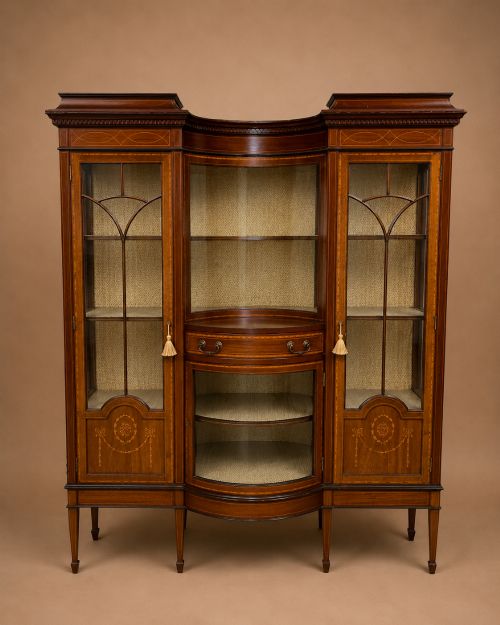
Makers constructed these cabinets using dense hardwoods such as mahogany, oak, and walnut, frequently applying fine veneers or satinwood and marquetry inlay to the primary surfaces. Figured grain and tiger oak provide natural pattern across the doors and panels.
Glazing bars divide the glass panes into geometric patterns, secured by lead or wooden framing, while brass handles and hinges operate the doors. Interiors sometimes feature fabric backings or painted finishes to contrast with the porcelain displayed on the timber shelves.
Materials recorded across the current stock include brass, lead, fabric, satinwood, and tiger oak.
Judging the standard
The degree of refinement in timber selection and inlay separates standard utility furniture from exceptional cabinet work. Figured walnut, intricate floral marquetry, and delicate satinwood banding indicate workshops that spent longer on surface decoration.
Structural integrity in the joints and the crispness of the glazing bars show the skill of the original maker. Well-balanced proportions and original glass panes carry more weight among collectors than later replacements.
Maple & Co.
The Vintage China Display Cupboard Glossary
- Astral glazing
- A network of slender wooden bars dividing glass panes in a cabinet door. These bars lighten the heavy look of large timber doors and let more light reach the china inside.
- Marquetry
- Fitted patterns of contrasting wood veneers applied to a timber surface. Cabinetmakers used floral motifs and geometric lines to decorate Edwardian and Georgian door panels.
- Linenfold
- A carved wood panel moulding that resembles folded cloth. This decorative relief frequently appears on early twentieth-century oak furniture.
- Welsh dresser
- A dual-purpose timber piece featuring base cupboards and drawers beneath open upper shelves or a glazed upper cabinet. They originated in domestic kitchens for storing and displaying pottery.
- Tiger oak
- Quarter-sawn oak timber displaying distinct flecked medullary rays that resemble tiger stripes. The cut creates a decorative pattern across large cabinet doors.
Vintage China Display Cupboard: Frequently Asked Questions
What fits inside a vintage display cabinet?
These cabinets suit porcelain dinner services, tea sets, and glassware collections that benefit from dust-free enclosure behind glass doors.
The shelves hold plates upright in grooves or support stacked bowls and cups where light passes through the upper panes.
How do I date an Edwardian cabinet?
Edwardian pieces often combine mahogany with satinwood inlay, Sheraton Revival motifs, or mirror backs, usually dating between nineteen hundred and nineteen ten.
Construction details like machine-cut screws or secondary pine timbers inside help distinguish these from earlier Georgian work.
Can I adjust the wooden shelves?
Most antique and vintage cabinets feature fixed wooden shelves supported on fixed timber bearers rather than modern metal adjustable racks.
Checking the internal height of each tier ensures taller plates or serving platters fit comfortably before placement.
Where should I place a corner cupboard?
Corner cupboards and cabinets make efficient use of unused ninety-degree room angles in dining rooms or hallways.
Their triangular footprint projects less into the floor space while still offering deep storage behind single or double glazed doors.