
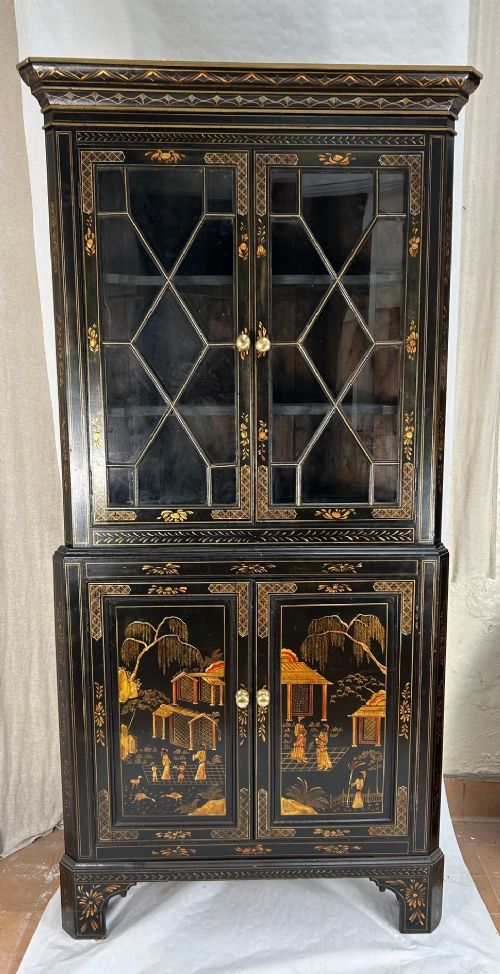
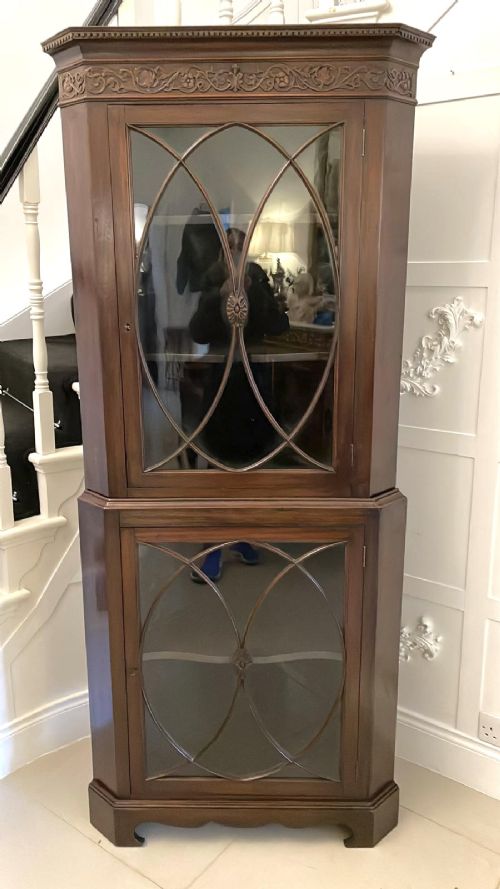
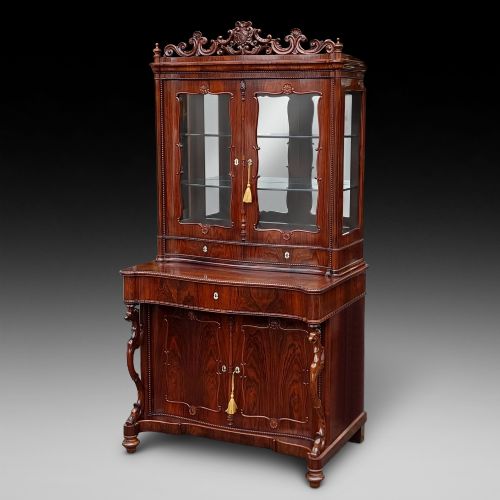
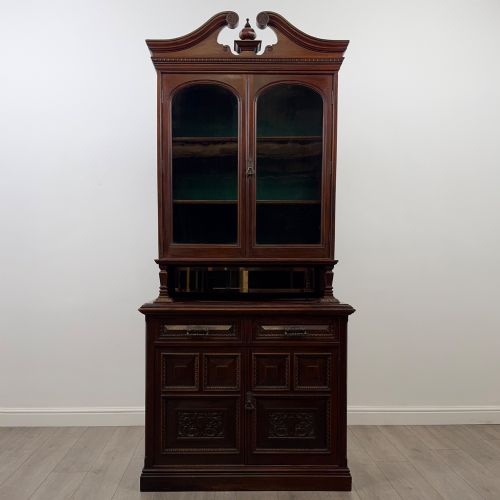
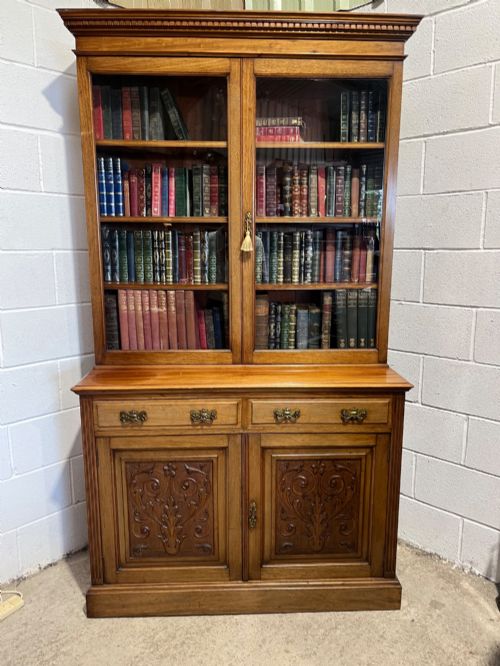
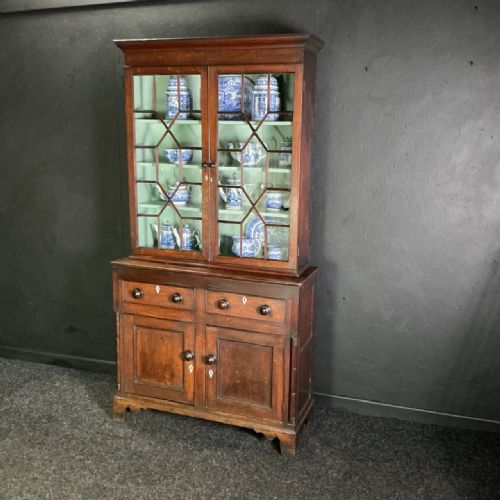
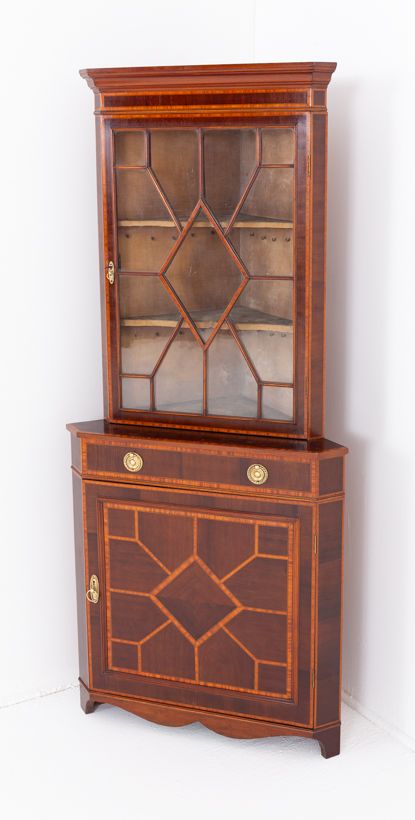
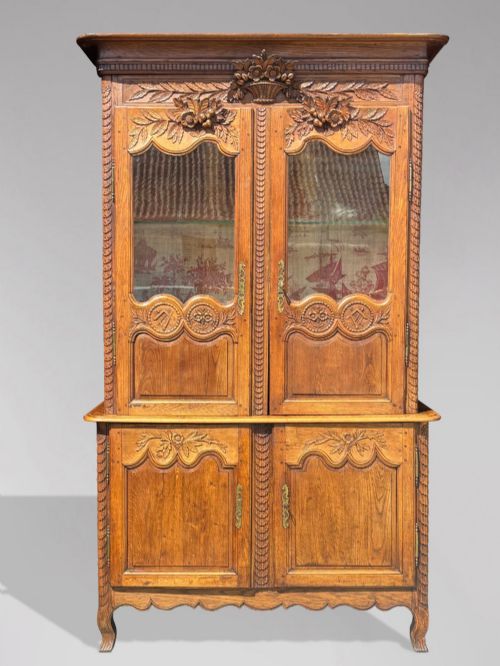
Two Tier Display Cabinet
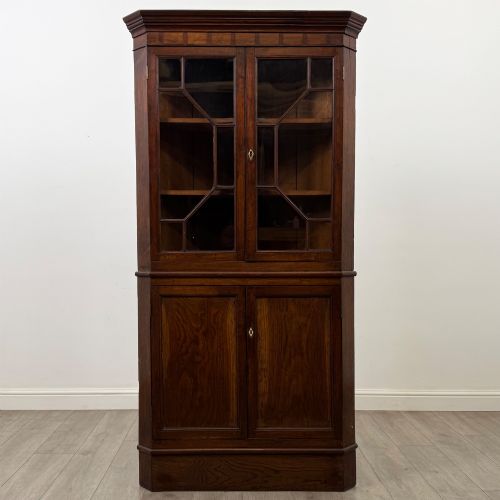
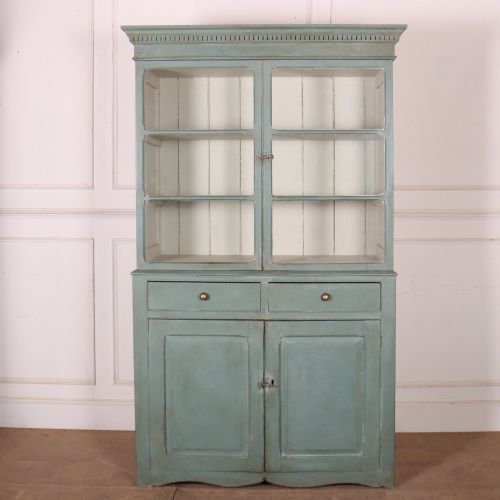
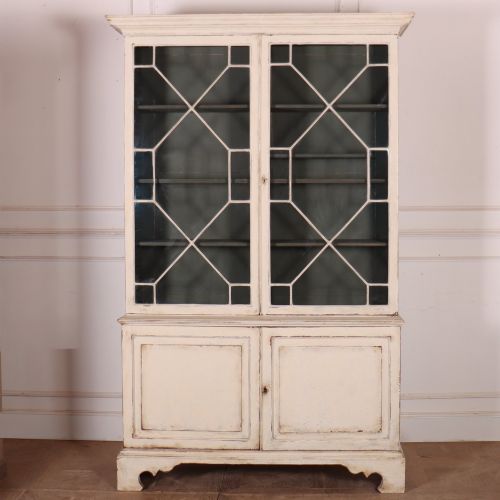
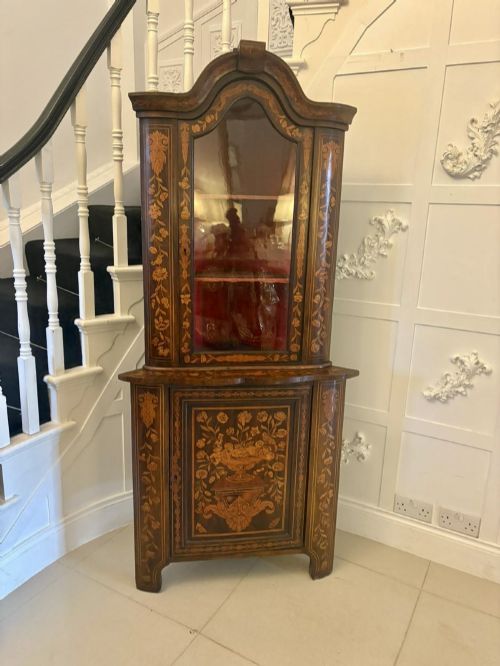
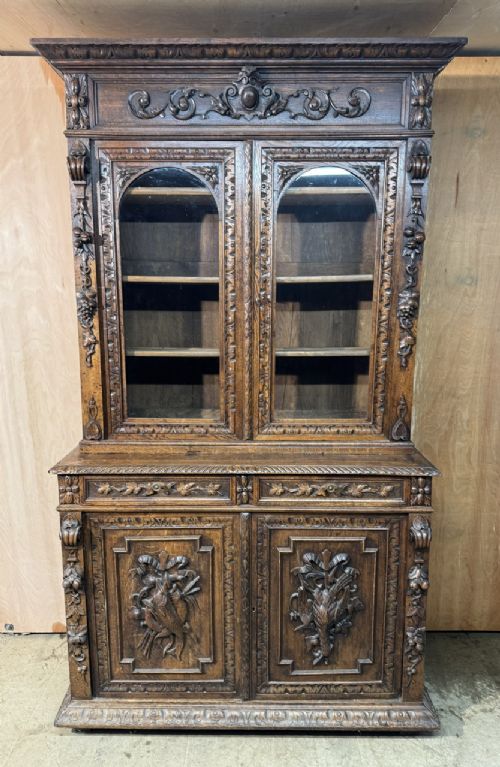
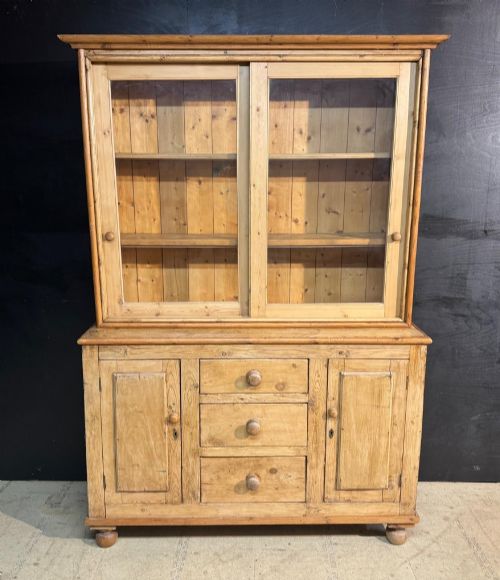
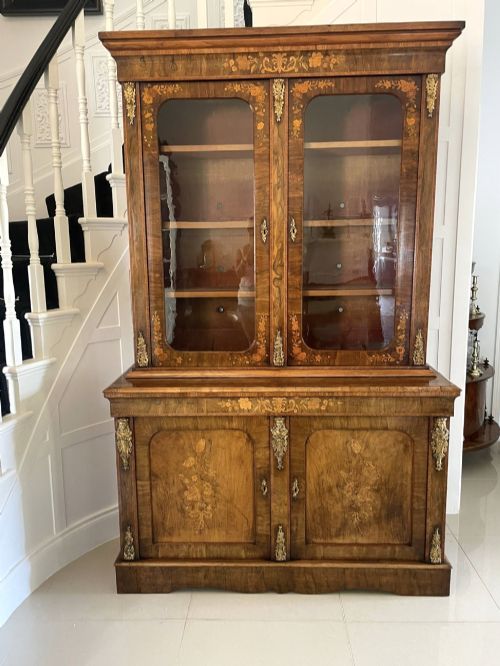
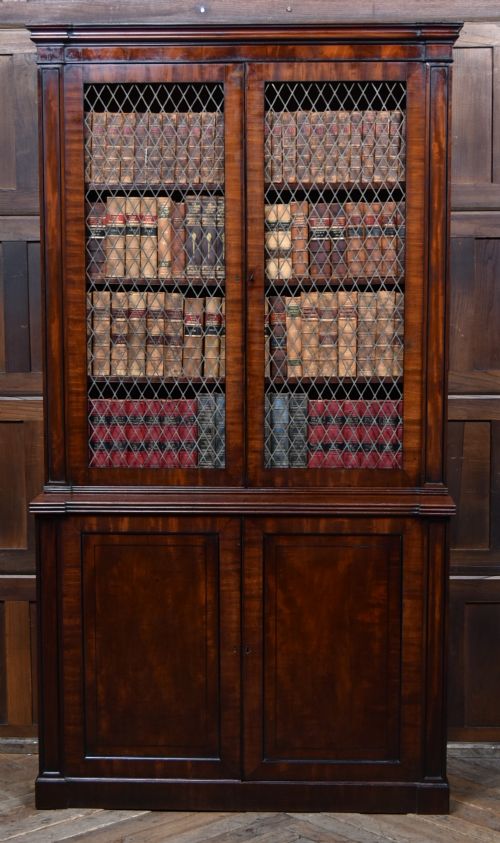
These two tier display cabinet examples combine glass and timber to present treasured objects with clarity and period style.

Two Tier Display Cabinet
A two tier display cabinet offers structured shelving arranged across levels, typically combining a glazed upper section or open platform with a lower base or secondary tier. These forms appear across the eighteenth, nineteenth, and early twentieth centuries in styles ranging from Georgian and Victorian to Edwardian and Art Deco.
Originating from diverse European workshops, these pieces function as both practical storage and decorative furniture for modern rooms. They bridge the gap between enclosed cabinetry and open display.
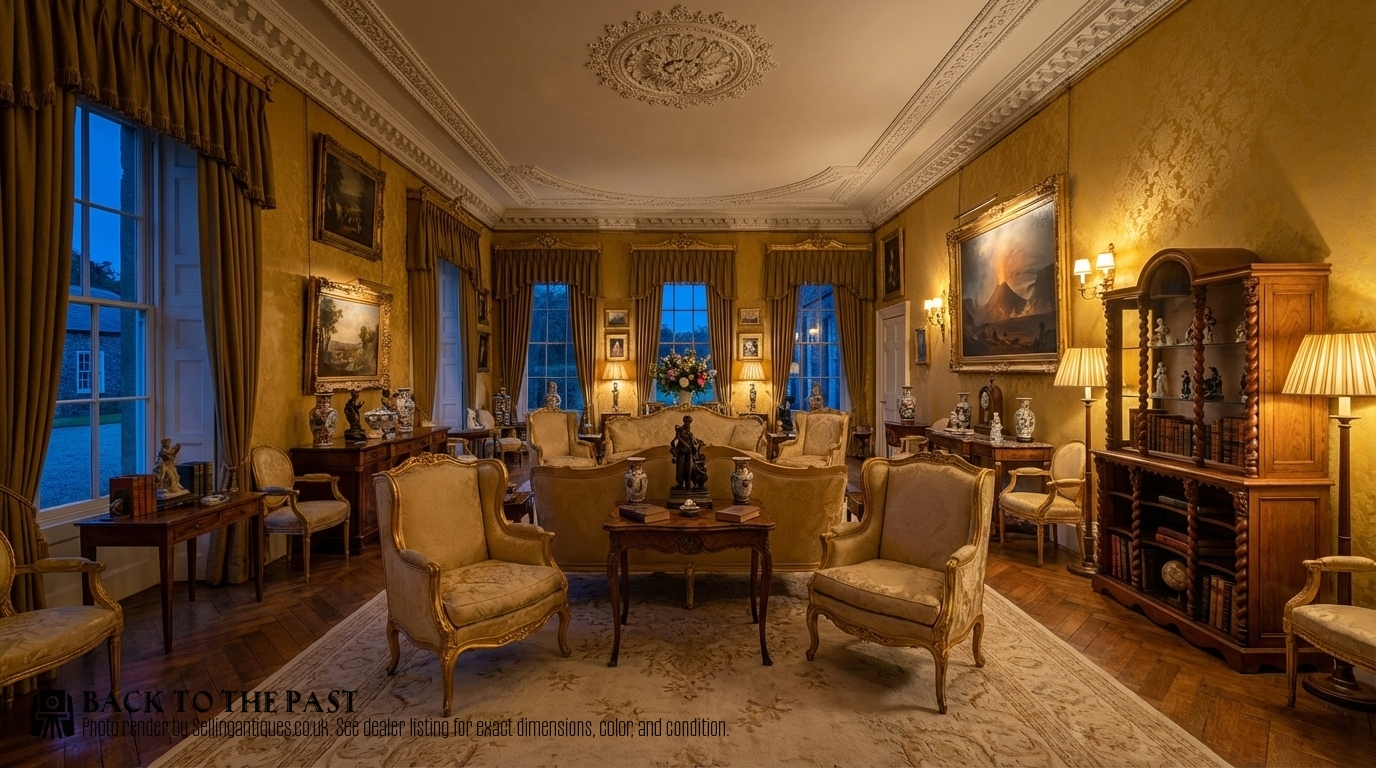
Materials and construction
Cabinet makers relied primarily on hardwoods such as mahogany, oak, walnut, and rosewood, alongside softer pines and occasional exotic veneers like marquetry. Frames were joined using traditional methods to support heavy glass panels and multiple tiers of shelving.
Decorative detailing often involved brass mounts, ormolu, hand-carved motifs, and painted finishes or lacquering. Glazing bars divided glass panes precisely, while interior surfaces were sometimes lined or painted to highlight the contents.
Two Tier Display Cabinet Retail Price Guide 2026
Typical asking prices for two tier display cabinet among the pieces listed under this phrase on Sellingantiques today, from the lower quarter to the upper quarter. They describe what is for sale here now, not the wider market.
Listings feature pieces spanning from the eighteenth century through the Victorian era up to nineteen thirty, constructed in mahogany, oak, walnut, pine, and rosewood.
Distinctions in quality
The finest examples display meticulous timber selection, such as burr walnut or figured mahogany, matched with precise marquetry inlay and crisp carved details. Superior construction is evident in the weight and stability of the tiers, tight joinery, and the integration of quality mounts.
Simpler provincial pieces or later revival items often utilise plainer timbers like pine or standard oak with minimal ornament. Quality rests on the proportion of the structure and the original condition of the glass and timber surfaces.
Howard & Sons
The Two Tier Display Cabinet Glossary
- Vitrine
- A glass-fronted cabinet designed specifically for the display of fine objects or porcelain. These pieces often feature glazed sides to maximise light penetration.
- Marquetry
- Decorative veneer work created by fitting small pieces of various coloured woods into patterns or pictorial designs. It appears frequently on high-status Victorian and Dutch cabinetry.
- Ormolu
- Gilded bronze mounts applied to furniture for decorative accent. Makers utilised these metal elements to enhance the visual richness of walnut and mahogany carcasses.
- Astragal
- Moulding used to hold panes of glass within a glazed door or window. Fine astragals create delicate geometric patterns across cabinet fronts.
Two Tier Display Cabinet: Frequently Asked Questions
How do I clean the glass?
Use a gentle, ammonia-free glass cleaner applied to a soft cloth rather than directly onto the surface. This prevents moisture from seeping into aged timber frames or antique glazing putty.
Take care around delicate brass mounts and hand-carved wooden details during the wiping process.
Can shelves be adjusted?
Many Victorian and later examples feature adjustable shelving supported by wooden racks or brass tracks. This allows you to alter the interior spacing to accommodate items of varying heights.
Older eighteenth-century pieces often retain fixed shelves secured permanently into the cabinet carcass.
Where should I place it?
Position your cabinet away from direct sunlight and strong heat sources to protect sensitive woods like mahogany and rosewood from drying out or fading. Stable indoor humidity helps preserve old glues and joints.
Ensure the floor is level so the doors hang true and the upper tiers remain balanced.