
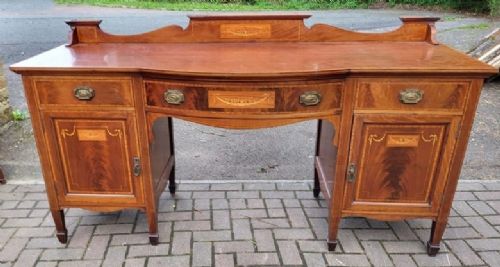


Carved Satinwood Cabinet
A carved satinwood cabinet offers warm timber tones and intricate detailing, bringing tactile elegance to a room.
Carved Satinwood Cabinet
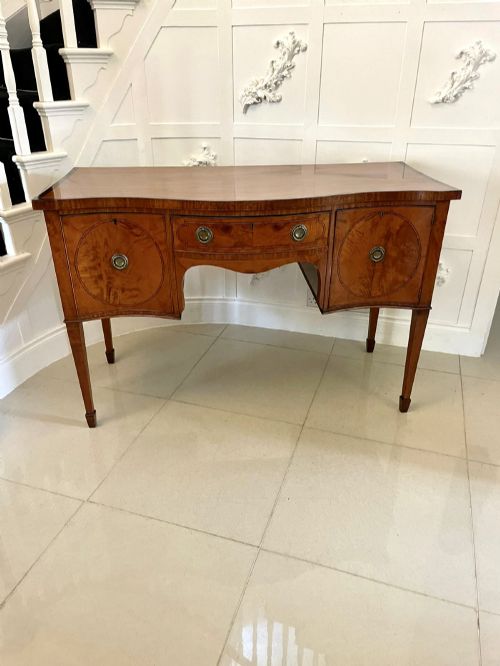
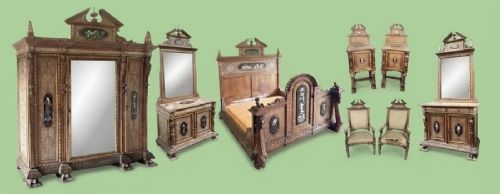
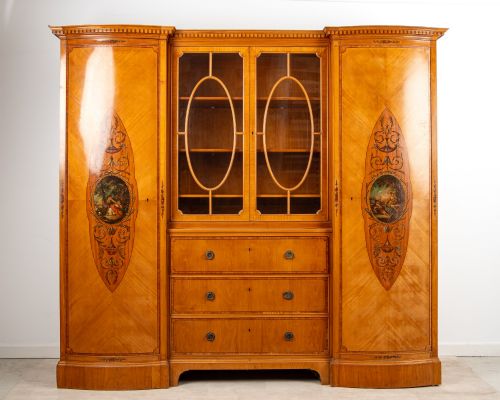
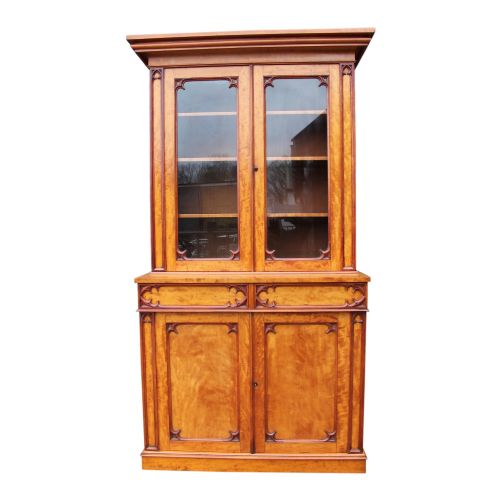
A carved satinwood cabinet brings together pale, luminous timber and sculptural detail, appearing frequently across the Victorian and Edwardian periods in forms ranging from compact side cabinets to expansive display pieces and wardrobes. Buyers seeking a carved satinwood cabinet encounter diverse stylistic revivals including Sheraton, Gothic, and Anglo-Indian designs.
Materials and construction
Cabinet makers utilised dense exotic timbers like satinwood, alongside supporting structural woods such as mahogany and walnut, creating robust carcases ready for decorative surface work. Wood inlay and marquetry patterns were meticulously set into the timber grain to build contrast and visual depth across door panels and friezes.
Surface ornamentation relied on hand-carved mouldings and applied brass hardware, occasionally complemented by glazed doors and fabric linings. Makers combined these elements with painted panels to achieve the refined finishes seen in neoclassical and revival pieces.
Some nineteenth-century makers concealed secret compartments within sideboards for storing private documents.
Distinctions in craftsmanship
Quality rests upon the selection of timber figures, where rich flame grains and balanced book-matching elevate an example above plain stock. Precision in the joinery of drawers and the crisp execution of hand-carved details distinguish superior workshops from standard commercial output.
The integration of marquetry and painted elements requires steady hands and careful alignment, marking the difference between straightforward utility furniture and high-status cabinet work.
Waring & Gillows·Edwards & Roberts·Gillows
The Carved Satinwood Cabinet Glossary
- Satinwood
- A dense, hard timber known for its pale yellow colour and natural sheen that catches the light. It provides a luminous ground for inlay and painting.
- Marquetry
- The art of applying decorative veneer pieces to a structure to form intricate picture designs or geometric patterns. Craftsmen cut contrasting woods to fit together seamlessly.
- Compactum
- A large fitted wardrobe or combination piece designed to offer multiple internal storage options such as drawers, shelves, and hanging space. These items maximise storage efficiency within domestic bedrooms.
- Bonheur du Jour
- A light lady's writing desk featuring a small set of drawers or a cabinet superstructure on top. This form gained popularity during the nineteenth century for boudoir use.
- Canterbury
- A low stand featuring slatted partitions, originally designed for holding sheet music or portfolios. Cabinet makers constructed these in timber with decorative turnings and handles.
Carved Satinwood Cabinet: Frequently Asked Questions
How do I care for satinwood?
Keep timber surfaces away from direct sunlight and excessive heat sources to prevent the natural oils from drying out and the grain from fading.
Dust regularly with a soft, dry cloth and apply occasional specialist wax polish to maintain the sheen without building up residue.
Where should I place a cabinet?
Position your cabinet against an interior wall in a room with stable humidity to protect delicate veneers and joined panels from warping.
Ensure heavy display items do not overload internal shelving designed for lighter decorative objects or books.
What defines Edwardian revival style?
Edwardian revival pieces draw inspiration from eighteenth-century Sheraton and neoclassical designs, favouring light proportions, symmetry, and refined inlay.
Cabinet makers during this era updated traditional silhouettes to suit contemporary homes requiring lighter, more graceful furniture.