


Vintage Ceramic Wall Plate
These vintage ceramic wall plate selections bring together centuries of painted earthenware, tin-glazed charger plates, and porcelain cabinet pieces designed for interior display.
Vintage Ceramic Wall Plate
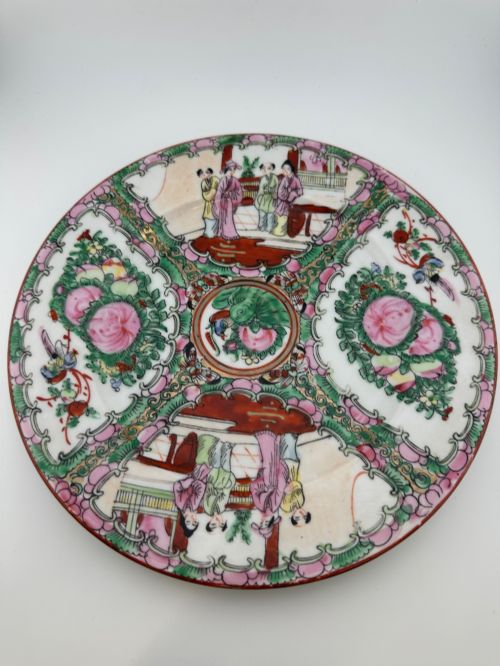
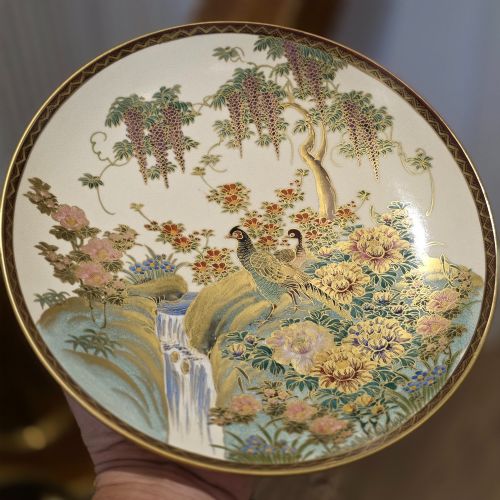
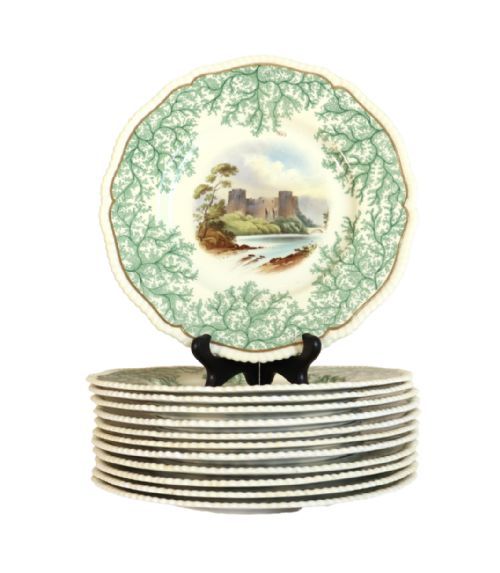
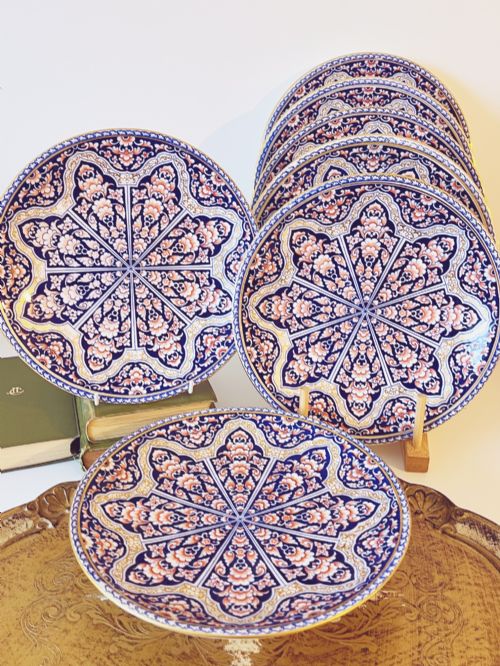
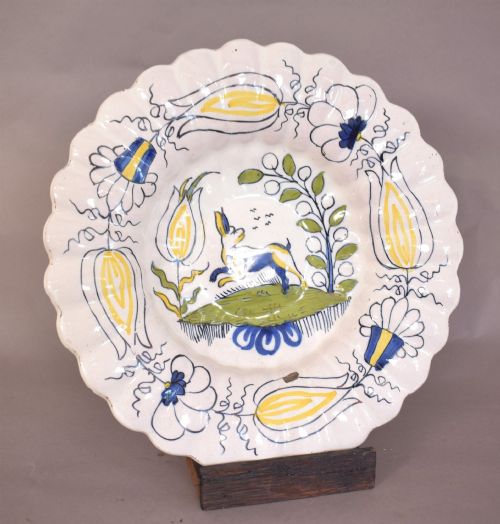
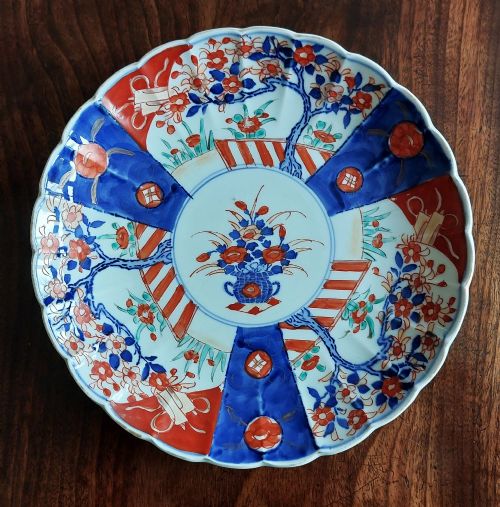
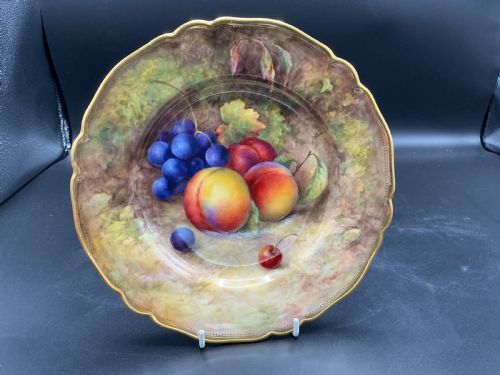
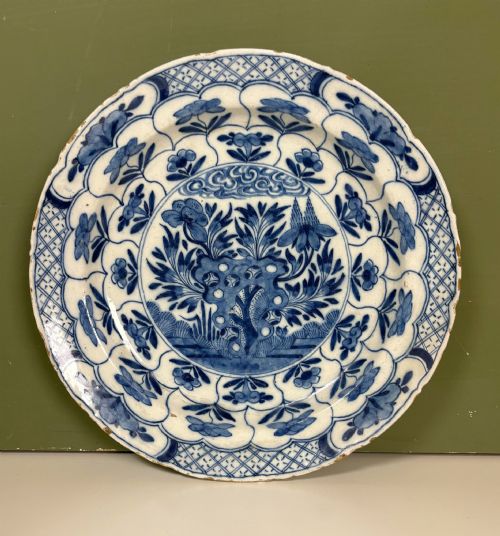
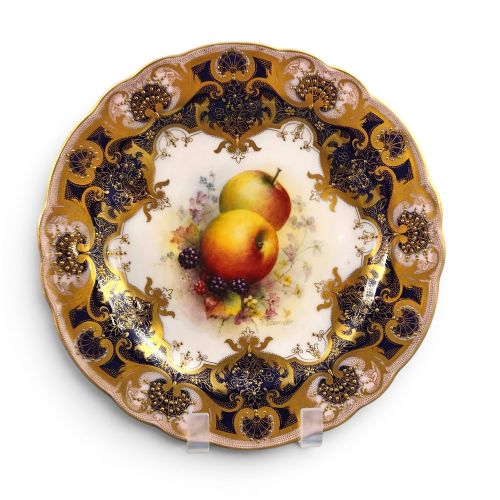
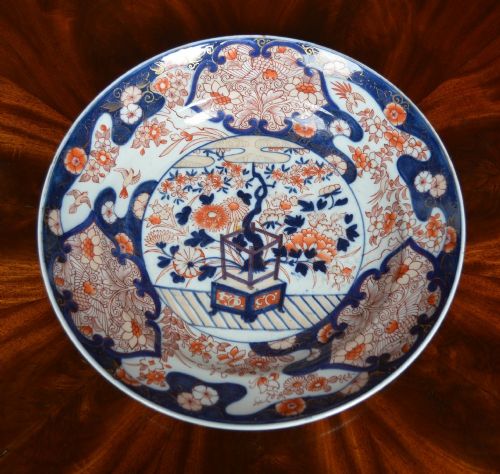
When you search for a vintage ceramic wall plate, you encounter a diverse gathering of decorative chargers, cabinet plates, and shallow bowls spanning multiple centuries and continents. The selection ranges from eighteenth-century tin-glazed earthenware and Delftware to Japanese Meiji period Imari porcelain and twentieth-century English painted fruit plates.
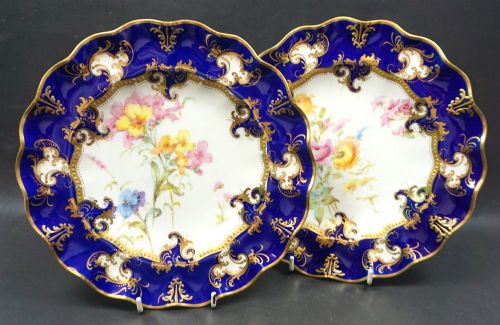
You frequently meet larger charger plates alongside sets of dinner plates and dessert services created by factories such as Royal Worcester and Royal Crown Derby. These objects bridge the gap between functional tableware and wall-hung art, often featuring pierced foots or original hanging provisions.
Materials and production methods
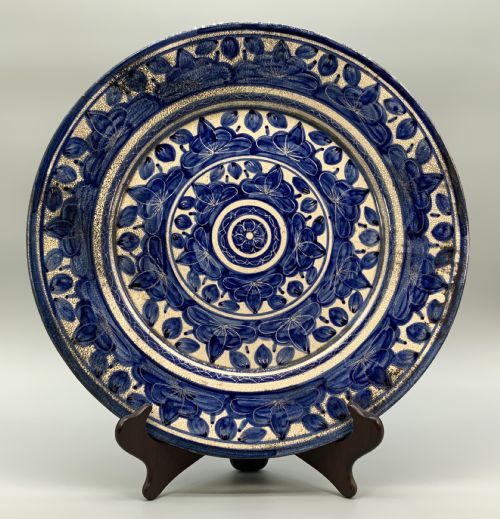
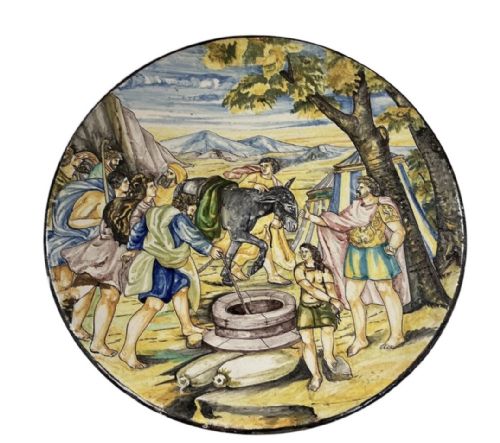
Makers utilised ceramic bodies formed from earthenware, ironstone, and hard-paste porcelain, finished with tin glazes or transparent lead coatings. Decoration relied heavily on hand-painted pigments, frequently enhanced with gold leaf and gilt highlights applied over or under the glaze before firing.
Many items incorporate traditional techniques associated with Japanese Arita and Chinese export kilns, alongside European faience methods seen in Dutch, French, and English workshops. Hand-painted floral, figurative, and landscape motifs define the surface artistry across these varied clay bodies.
Listings feature periods ranging from the 18th Century through the Victorian era to the 1930s, utilising porcelain, earthenware, and tin-glazed surfaces.
Distinctions in execution and provenance
Quality reveals itself in the crispness of the hand-painted brushwork and the complexity of the polychrome or blue and white palette. Pieces decorated by named artists or bearing documented family provenance distinguish themselves from standard commercial production.
The refinement of the ceramic body, the stability of the glaze, and the preservation of gilt or enamel details separate everyday examples from exceptional cabinet specimens and large exhibition chargers.
Royal Worcester·Royal Crown Derby·Royal Doulton·Spode
The Vintage Ceramic Wall Plate Glossary
- Charger plate
- A large decorative plate traditionally used as a base setting or hung directly upon a wall for display. These large-format pieces often showcase the most elaborate painted compositions.
- Tin-glazed earthenware
- Pottery covered with a white tin-oxide glaze that provides an opaque background for painted pigments. This technique defines traditional Delftware and continental faience.
- Cabinet plate
- A high-quality decorative plate intended for display in a cabinet or on a wall rather than everyday dining use. They frequently feature detailed painted fruit or landscape scenes by specialist artists.
- Imari
- A style of Japanese porcelain characterised by underglaze blue and overglaze red, gold, and green colours. The aesthetic proved influential across European ceramics during subsequent centuries.
Vintage Ceramic Wall Plate: Frequently Asked Questions
How do I hang a heavy ceramic charger safely?
Heavy ceramic chargers require specialised spring-loaded brass wall hangers that distribute the weight evenly around the rim without putting stress on the ceramic body. Ensure the fixing is secured directly into a wall stud or uses appropriate masonry plugs.
Avoid wire attachments glued to the reverse of antique pieces, as aged glazes and earthenware can flake or detach under sustained tension. Proper bracket support keeps the plate flush and secure against the wall surface.
Can I use these antique plates for dining?
Most pieces listed as wall plates or cabinet plates are intended for decorative display rather than daily culinary use. Older glazes, particularly on earthenware and tin-glazed items, can be soft or susceptible to staining from modern foods.
Pieces featuring overglaze gold leaf or delicate hand-painted enamels will lose their surface finish if subjected to cutlery or frequent washing. Reserve these items for visual enjoyment rather than the dining table.
How do I distinguish Delftware from later pottery?
Delftware typically employs a porous earthenware body covered in an opaque white tin glaze that often shows minor crazing or tiny glaze-pitting under close inspection. The painted cobalt blue designs sink slightly into the soft unfired glaze layer.
Later Victorian and twentieth-century imitations often use harder, denser white ceramic bodies with perfectly smooth machine-applied surfaces. Examining the footrim reveals the unglazed clay body beneath the glaze.
What causes crazing on antique ceramic plates?
Crazing appears as a fine network of microscopic cracks across the glaze layer, caused by the ceramic body and its outer glaze expanding and contracting at different rates over time. This natural ageing process frequently occurs in older earthenware and tin-glazed pieces.
While crazing is a standard feature of antique ceramic history, exposure to moisture can sometimes darken these lines over the decades. Gentle cleaning and dry display environments help preserve the condition.