


Vintage Ceramic Statues
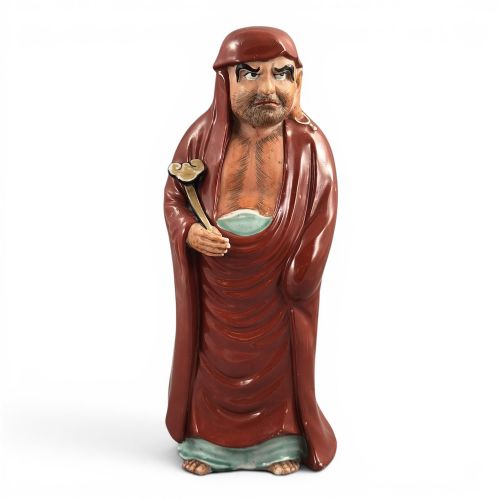
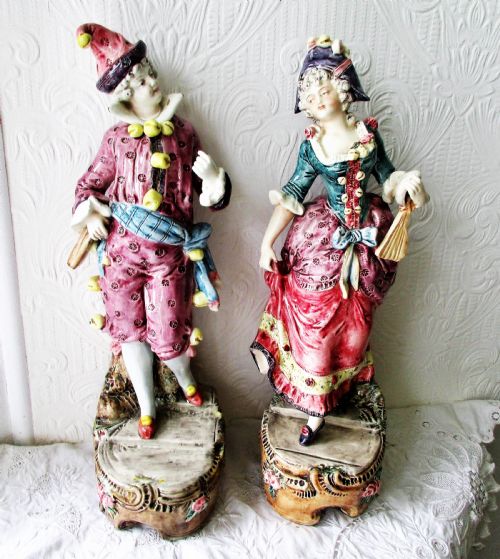
Vintage ceramic statues bring character to a room through finely modelled figures and animals shaped across the nineteenth and twentieth centuries.
Vintage Ceramic Statues
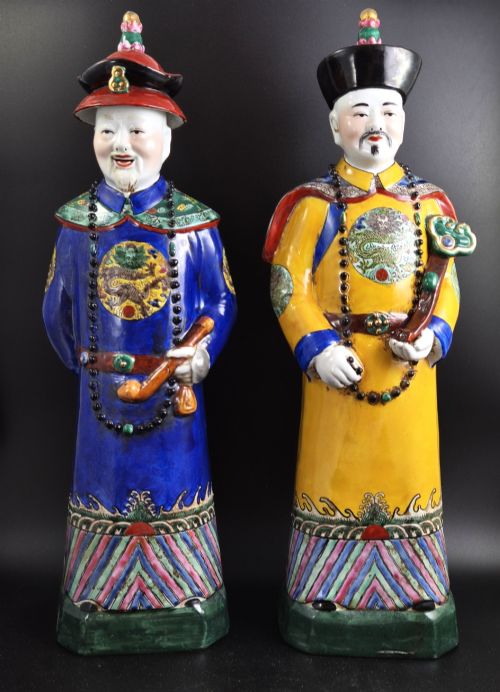
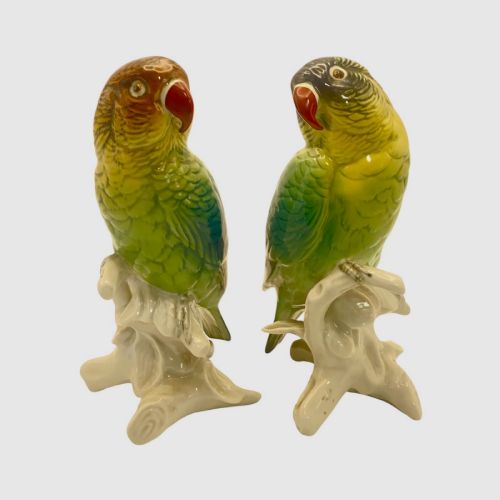
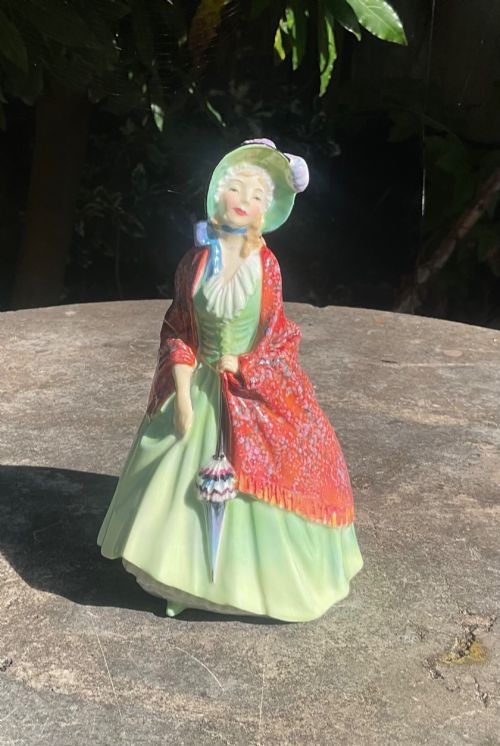
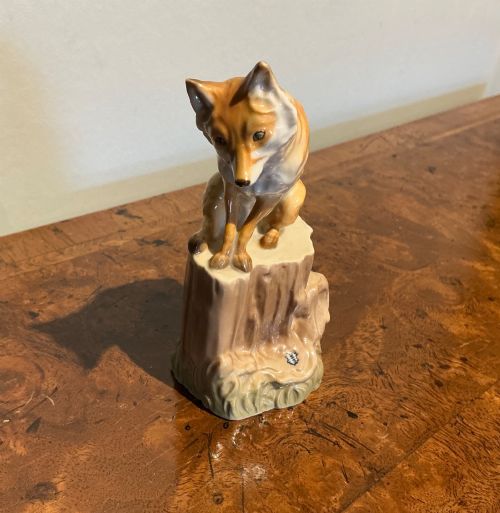
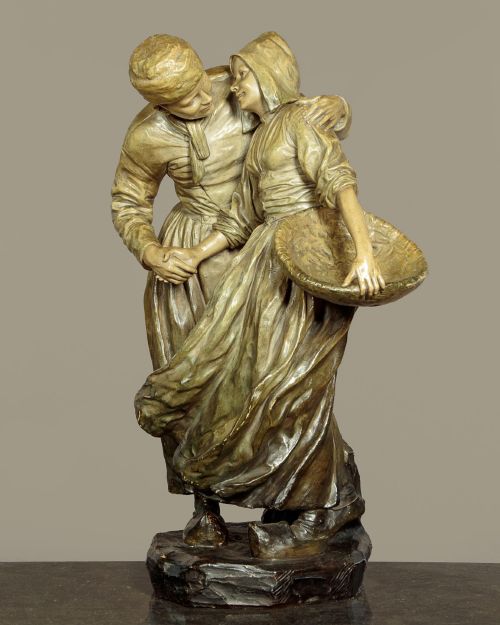
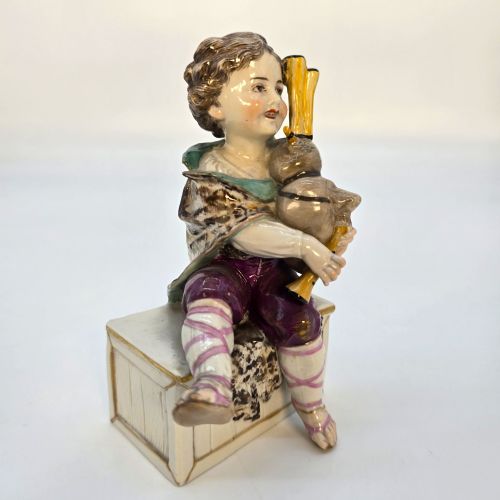
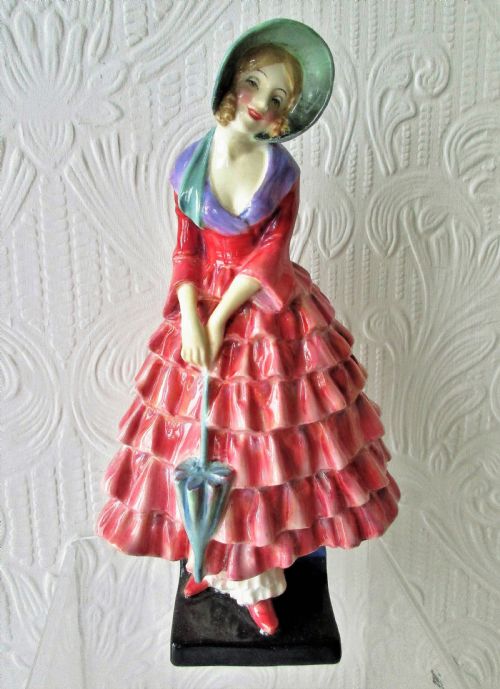
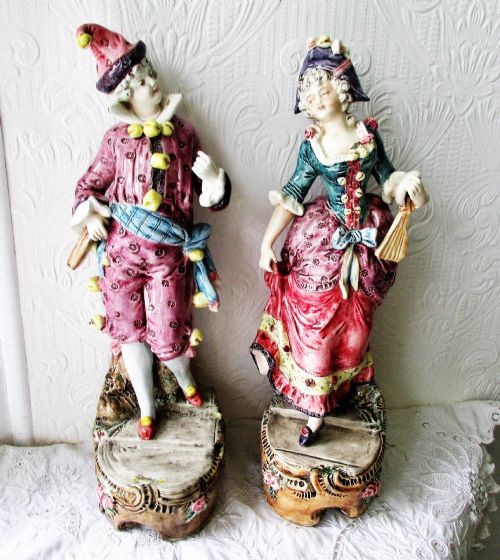
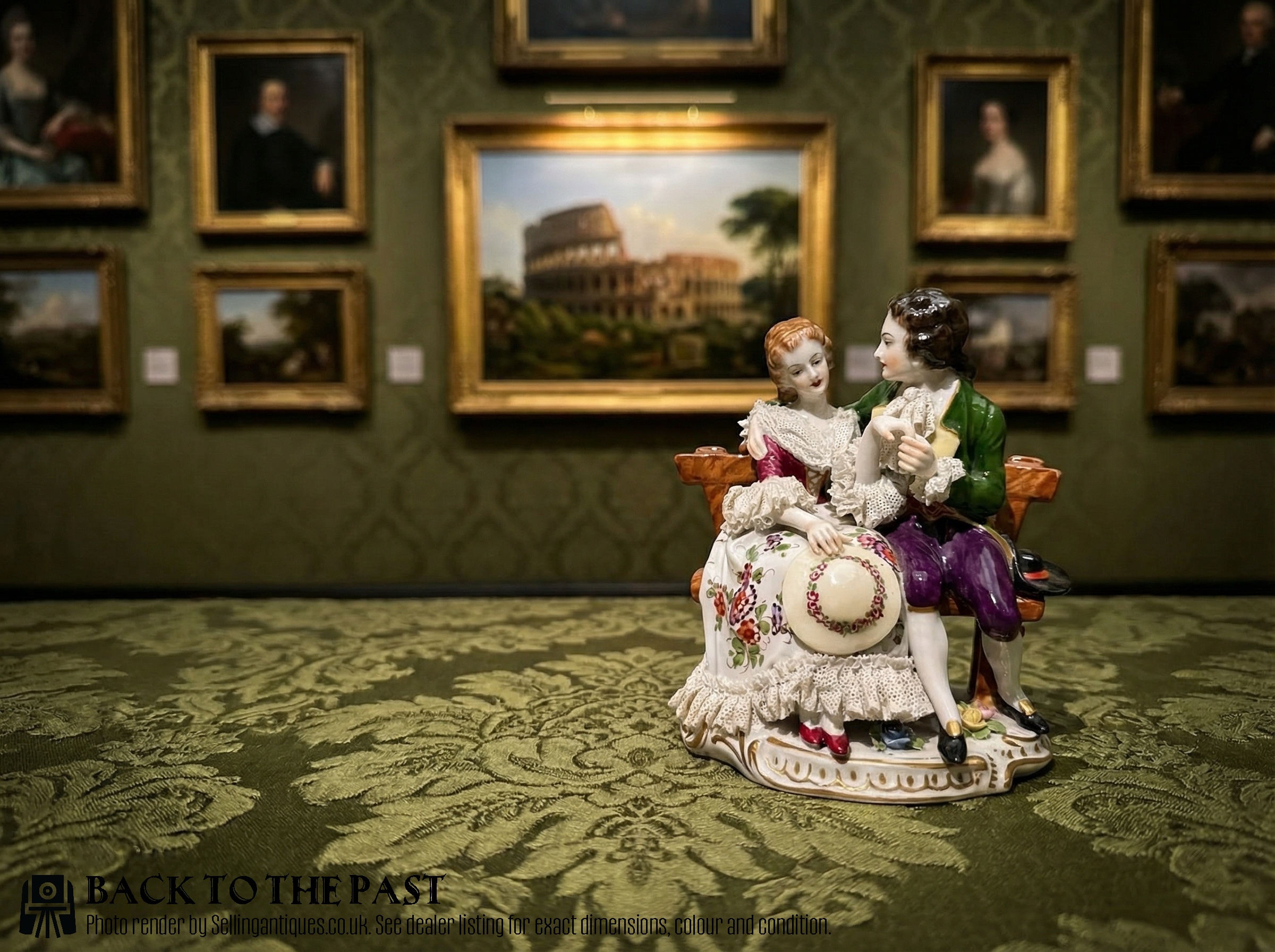
Vintage ceramic statues encompass figurative sculptures, decorative figurines, and animal models produced in porcelain, earthenware, terracotta, and bone china. Buyers searching for vintage ceramic statues encounter works spanning Victorian, Edwardian, Art Nouveau, and Art Deco styles, alongside traditional Asian and European studio designs.
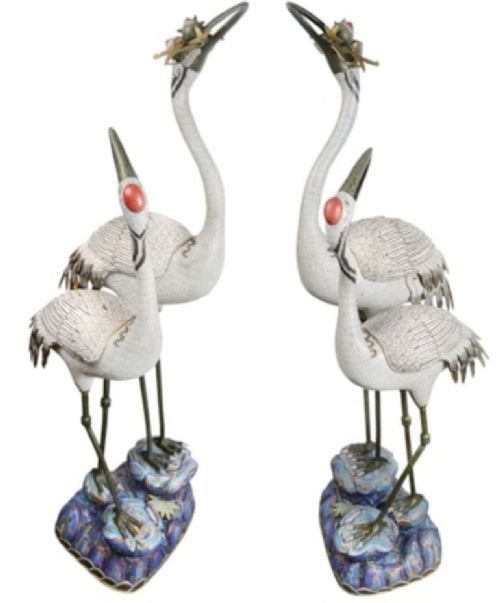
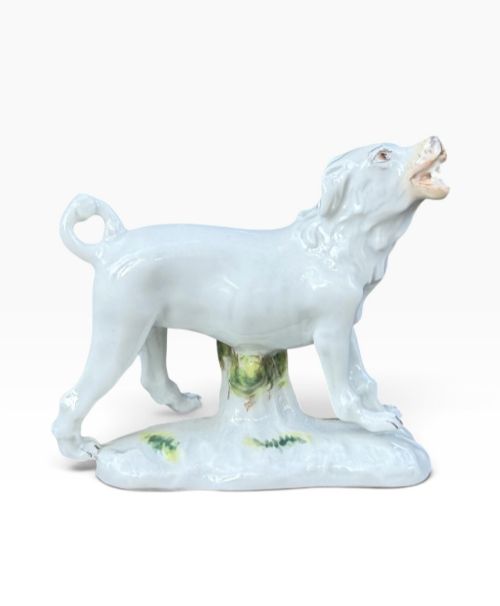
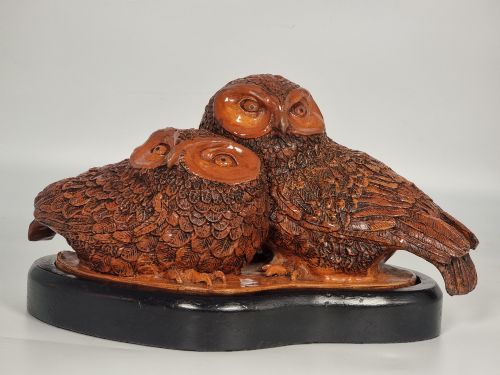
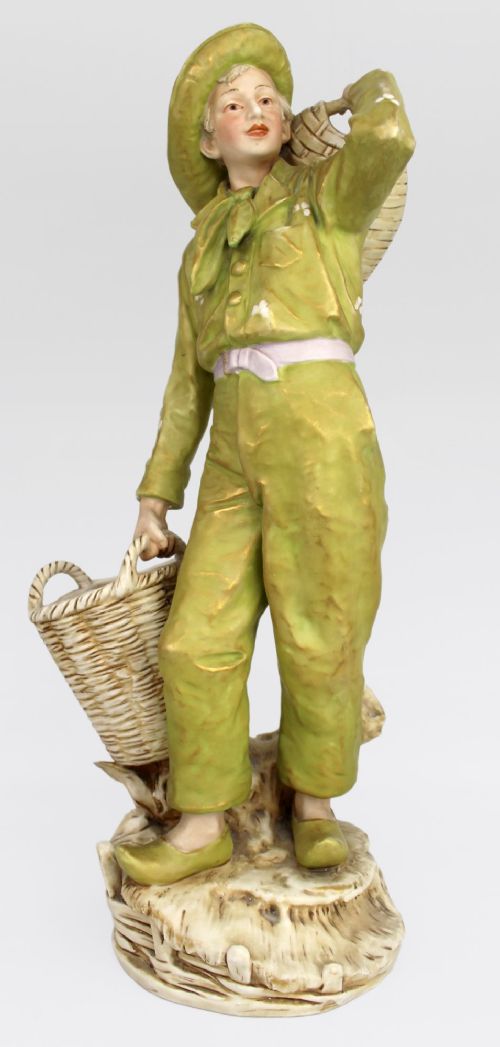
The selection ranges from Staffordshire dogs and Meissen porcelain figures to studio pottery and continental terracotta sculptures. Many pieces depict animals such as pugs, owls, cranes, and dogs, while others portray human subjects in historical or regional attire.
How they were made
Makers shaped these statues using traditional ceramic techniques, moulding earthenware, porcelain, and terracotta before applying glazes, enamel, and hand-painted details. Many continental and English factories utilised slip casting or hand-sculpting methods to achieve fine anatomical definition in animal and human figures.
Surfaces often combine coloured glazes with delicate brushwork, whilst some terracotta sculptures feature bronzed slip finishes or unglazed matte textures. Kiln firing fixed the pigments and glazes, creating durable finishes that define the appearance of these ceramic works.
Pugs appear across multiple periods, proving that Victorian and Edwardian households loved life-sized ceramic dogs just as much as modern ones.
What varies in quality
Quality in these statues rests upon the precision of the modelling and the finesse of the hand-painted decoration. Finer examples display crisp anatomical detailing, subtle tonal blending in the glazes, and well-defined facial expressions on both human figures and animal subjects.
Marked pieces from established factories or named sculptors typically demonstrate superior craftsmanship in the mould-work and firing process. Lesser examples may exhibit simpler brushwork, softer moulding lines, or heavier glaze application that obscures fine textures.
Royal Doulton·Karl Ens·Nymphenburg·Royal Dux Bohemia·Goldscheider·Volkstedt Rudolstadt Factory·Charles Vyse·HB Quimper·Royal Worcester
The Vintage Ceramic Statues Glossary
- Terracotta
- A porous, brownish-red earthenware clay that is fired at relatively low temperatures. It is commonly utilised for larger sculptures and animal figures.
- Slip cast
- A manufacturing technique where liquid clay slip is poured into a plaster mould to create hollow ceramic figures with consistent forms.
- Bone china
- A type of porcelain enriched with bone ash, producing a durable ceramic body with a bright white appearance suited to delicate painted figurines.
- Enamel
- Opaque vitreous pigments applied over the glaze or ceramic body and refired to produce vivid surface colours on decorative statues.
- Okimono
- A traditional Japanese standalone decorative carving or figure designed for display on a shelf or tokonoma.
- Staffordshire pottery
- Earthenware figures produced in the Staffordshire potteries in England, widely known for pairs of dogs and local characters.
Vintage Ceramic Statues: Frequently Asked Questions
How do I identify the maker of a statue?
Look for factory stamps, painted marks, model numbers, or impressed signatures usually found on the underside or base of the ceramic piece.
Matching these marks to historical pottery records helps confirm the workshop, period, and sometimes the individual modeller.
Where should I display ceramic statues at home?
Place these statues on stable shelves, mantelpieces, or dedicated display cabinets away from direct foot traffic and heavy vibrations.
Ensure they sit out of direct sunlight to protect hand-painted enamel and delicate surface glazes over time.
What is the difference between porcelain and earthenware?
Porcelain is fired at extremely high temperatures, resulting in a dense, vitreous material that is often translucent and non-porous.
Earthenware is fired at lower temperatures, producing a more porous, heavier body that typically requires an opaque or coloured glaze for waterproofing.