

Vintage Ceramic Sculpture
Vintage ceramic sculpture brings together figures, animals, and busts spanning the Victorian era through the Art Deco years.
Vintage Ceramic Sculpture
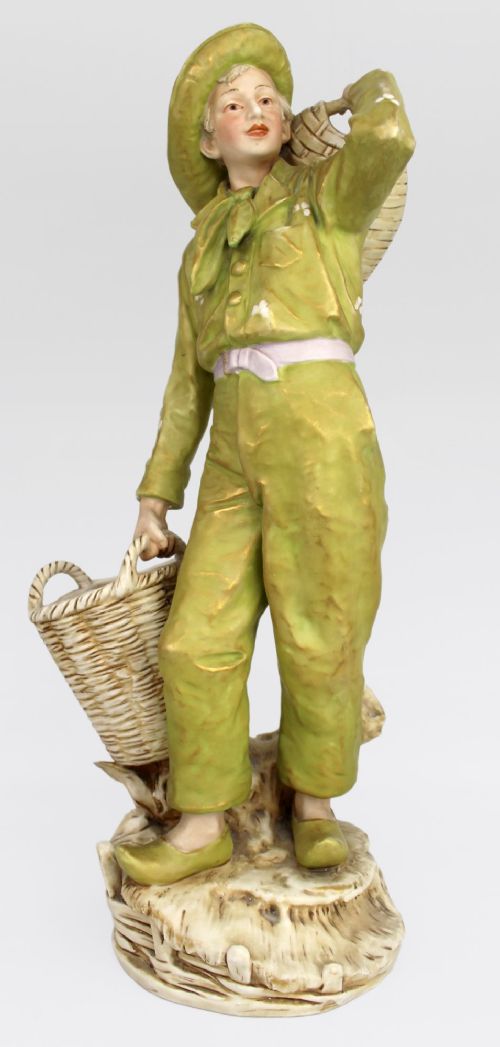
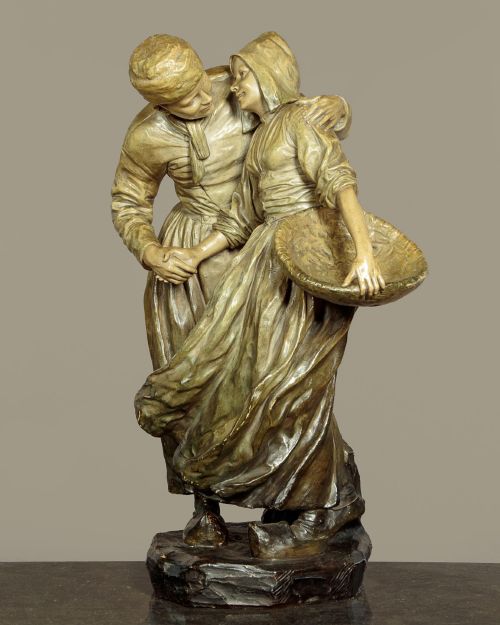
Vintage ceramic sculpture encompasses moulded figures, animals, and busts created across the nineteenth and twentieth centuries. These pieces range from delicate porcelain figures to large terracotta models intended for domestic display.
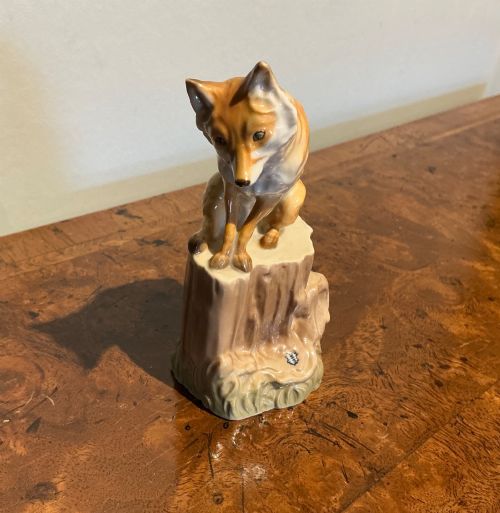
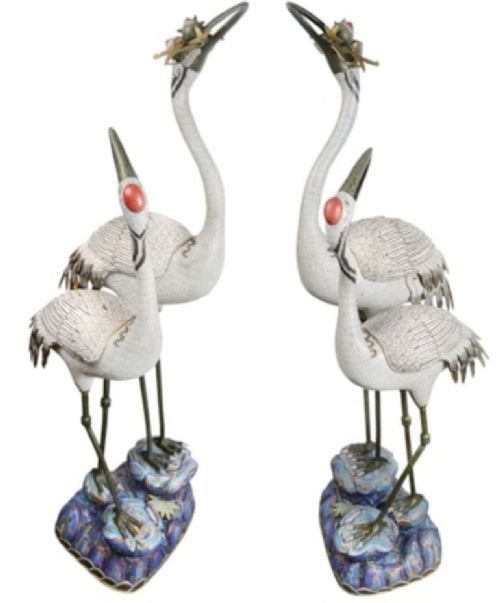
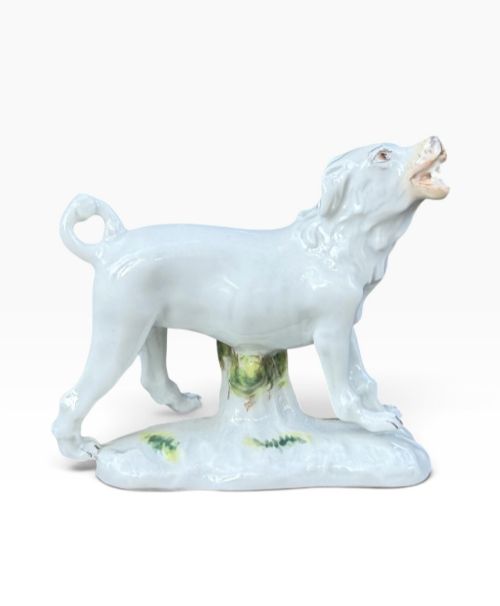
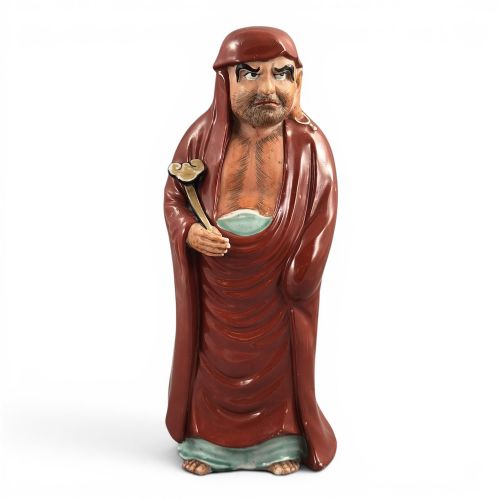
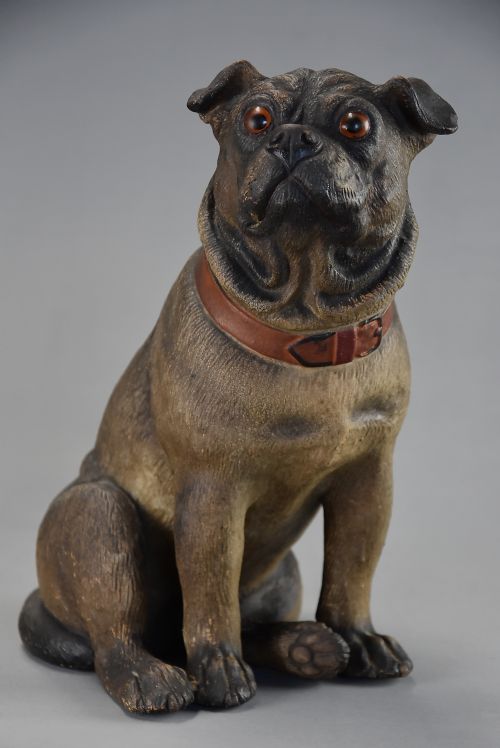
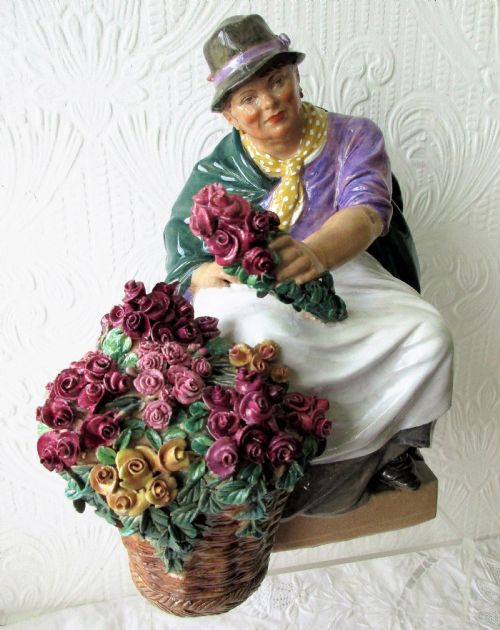
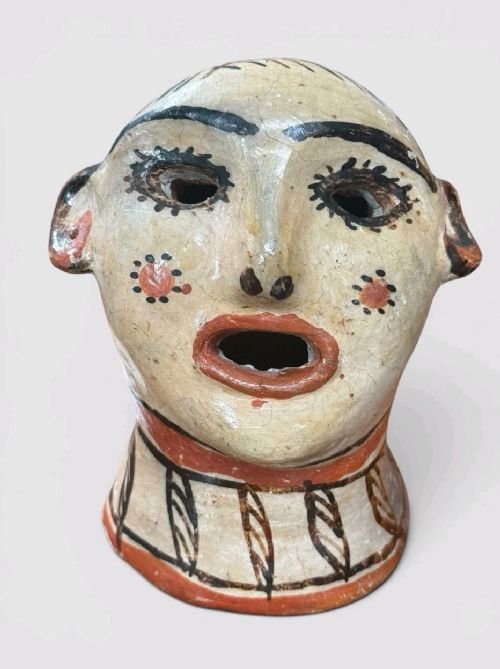
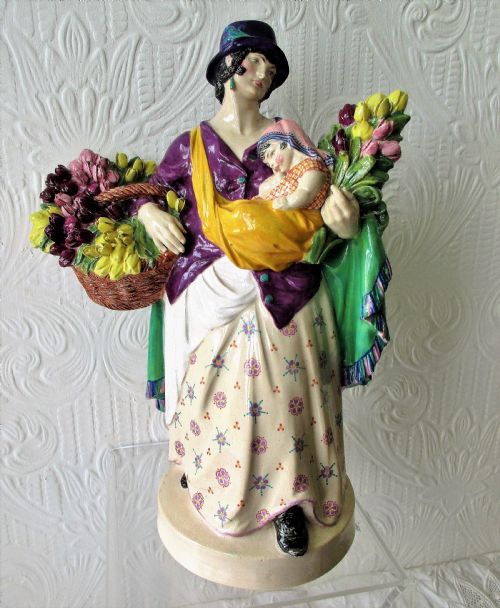
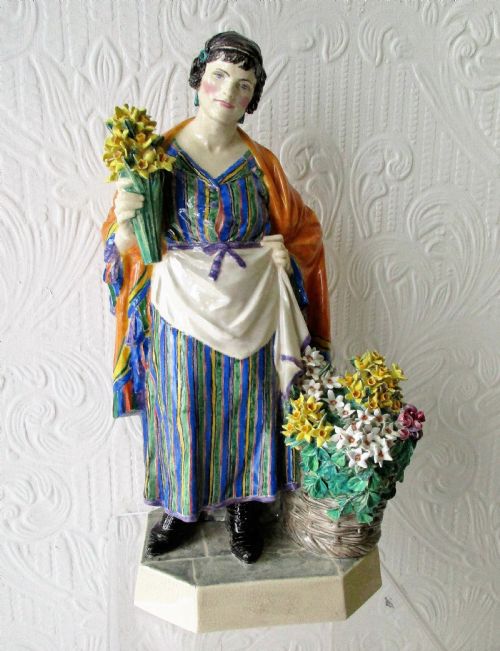
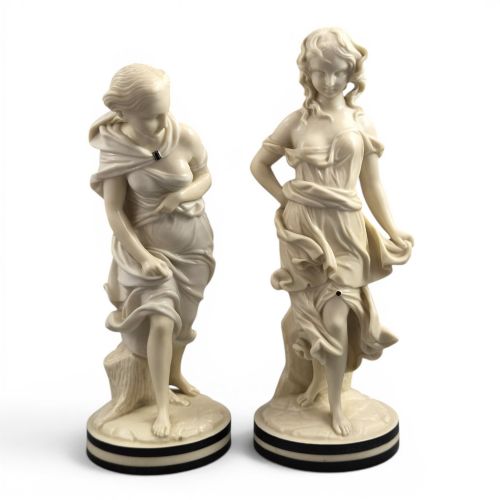
The selections on this page draw heavily from European potteries and studios, alongside occasional Asian works in older styles. Common subjects include animals such as pugs and foxes, human figures from street traders to classical maidens, and decorative wall masques.
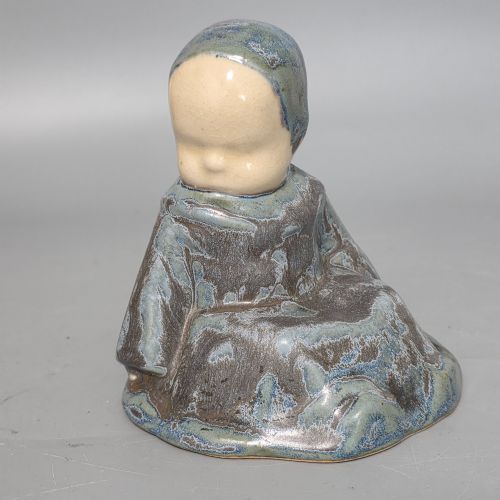
Pieces from the Edwardian period and the Art Deco years of the 1930s appear frequently among these listings. Makers varied from major European porcelain manufactories to individual studio potters working in England and France.
How they were made
Makers utilised porcelain, earthenware, terracotta, and stoneware, shaping the clay either by hand sculpting or through slip casting in moulds. Terracotta pieces often received hand-finished details and bronzed or painted surface treatments.
Glazing techniques ranged from simple monochrome slips to elaborate polychrome enamels and gilding with gold leaf. Firing methods determined the hardness of the ceramic body and the permanence of the surface decoration.
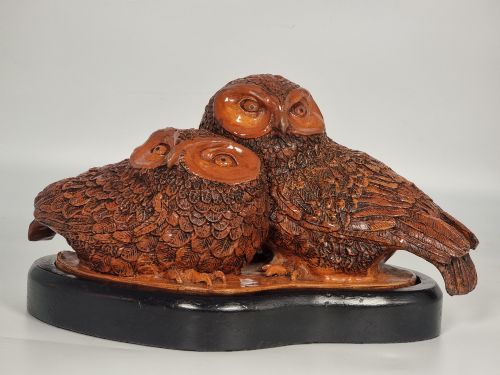
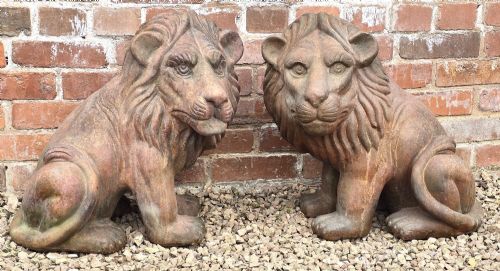
Animal subjects in the listings range from pugs and foxes to owls, lions, and horses.
What varies in quality
The reputation of the manufactory or individual studio artist heavily influences the standing of a piece. Well-known names and documented model numbers denote higher artistic ambition and more careful studio production.
Nymphenburg·Meissen·Royal Dux Bohemia·Goldscheider·Charles Vyse·Berthe Savigny·Royal Worcester·Derby
The Vintage Ceramic Sculpture Glossary
- Terracotta
- A porous fired clay ranging in colour from pale buff to deep reddish brown. It is frequently utilised for larger figures and animal sculptures.
- Slip cast
- A manufacturing technique where liquid clay slip is poured into a plaster mould to create hollow figures. This method allowed potteries to replicate complex sculptures consistently.
- Bocage
- An ornamental background of carved or modelled foliage and flowers attached behind ceramic figures. It appears frequently on eighteenth and nineteenth-century porcelain groups.
- Enamel
- Opaque glass-like pigments applied over or under the glaze to add colour to porcelain and earthenware. These decorations are fixed by a secondary firing in a kiln.
- Wall masque
- A decorative ceramic face or mask designed to be hung directly onto a wall. They gained particular popularity during the Art Deco period.
Vintage Ceramic Sculpture: Frequently Asked Questions
How do I identify a vintage ceramic sculpture?
Check the base for factory marks, impressed model numbers, or painted signatures that link the piece to a known pottery or studio artist. Stylistic clues such as the modelling of the form and the type of glaze also help indicate the period of production.
Studying the weight, clay body, and surface wear provides further confirmation of age. Comparing the piece to documented examples by makers like Meissen or Royal Dux assists in verification.
Were these sculptures meant for display?
Most ceramic sculptures and figurines served purely as decorative ornaments for mantelpieces, sideboards, and display cabinets in Victorian and Edwardian homes. Some functional crossover exists with items like bookends, wall masques, and table lamps.
Larger terracotta animal models and garden figures were placed in conservatories or entrance halls. Smaller porcelain groups were kept inside parlours to showcase the owner's taste and refinement.
How do I care for ceramic sculptures?
Keep ceramic sculptures out of direct sunlight to prevent any painted enamel or gilt details from fading over time. Dust them gently with a soft, dry brush rather than using wet cloths, especially on unglazed terracotta or delicate porcelain with bocage.
Display the pieces on stable surfaces away from high-traffic areas where they might be knocked over. Avoid using chemical cleaning products which can damage the glaze or clay body.
What is the difference between porcelain and terracotta figures?
Porcelain is a vitrified, dense ceramic material fired at high temperatures, often featuring smooth, glossy glazes and fine painted details. Terracotta is a coarser, porous earthenware clay that is fired at lower temperatures and usually presents a matte finish.
Porcelain was favoured by major European factories for delicate figures and refined tableware ornaments. Terracotta was typically chosen for larger animal sculptures, busts, and robust studio pieces.