
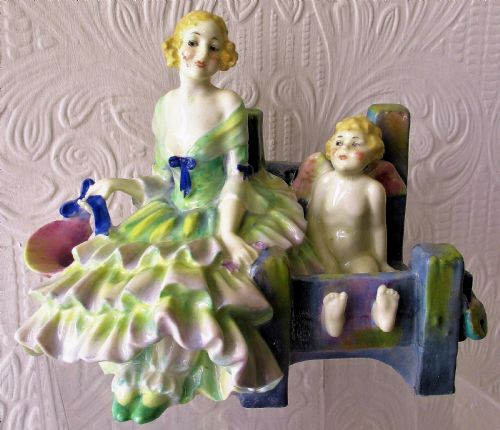
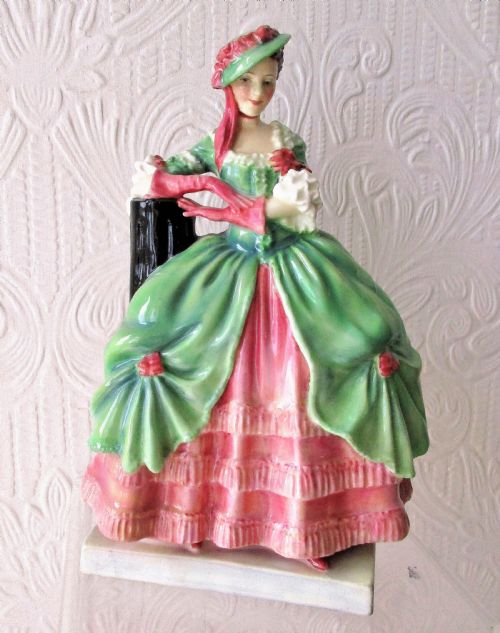


Green Porcelain Lady
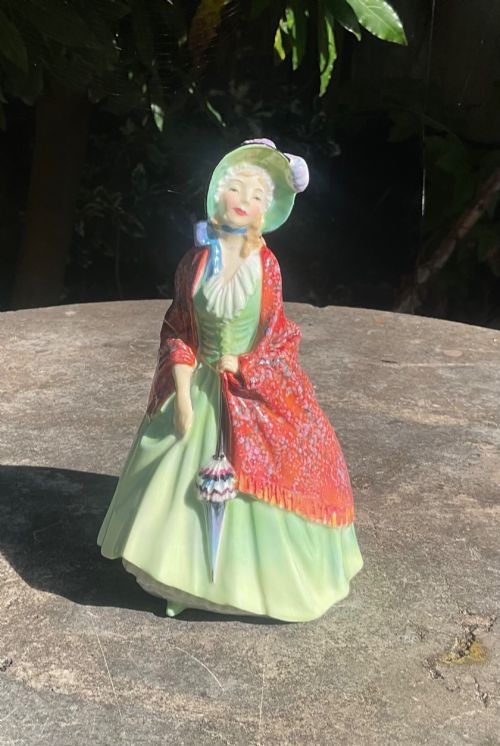
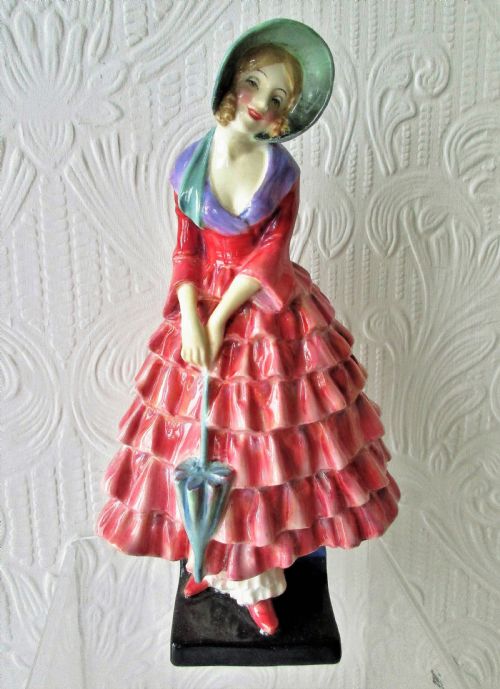
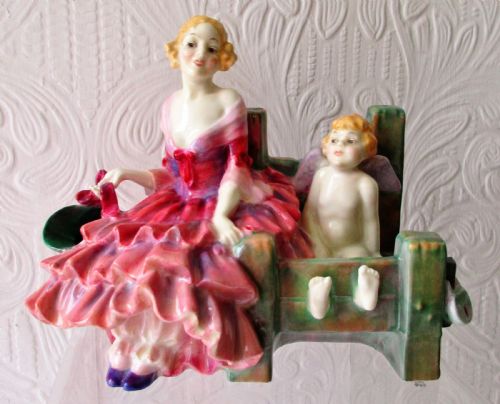
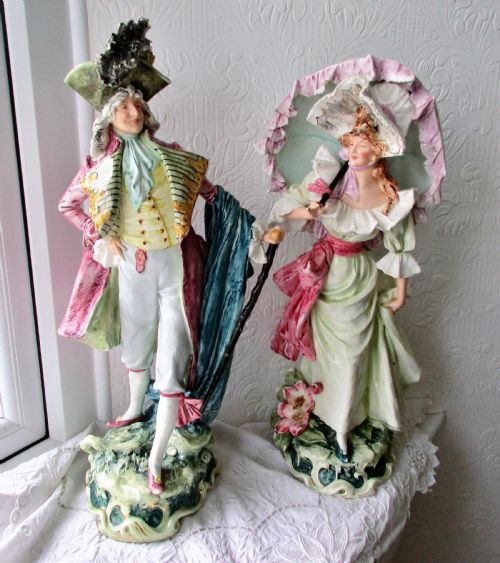
These green porcelain lady figures capture the elegance of Art Deco and Art Nouveau styling through striking ceramic forms.
Green Porcelain Lady
When you search for green porcelain lady, you uncover a distinct selection of ceramic and porcelain figurines dating from the nineteenth century through the 1940s. These pieces encompass decorative figurines, vanity sets, and trinket boxes reflecting prominent historical periods.
The most common versions encountered here are Art Deco ceramic dress figures and porcelain depictions of women produced during the 1930s. Alongside these, French faience and early twentieth-century works provide variety in form and origin.
Materials and construction
The creation of these items relies on porcelain, bone china, and earthenware shaped into detailed human forms and functional vessels. Artisans applied specialised ceramic glazes and enamel to achieve the characteristic green colourations seen across the pieces.
Moulding and hand-finishing techniques allowed makers to capture intricate drapery, facial expressions, and decorative motifs. Firing processes ensured the durability of both the fine porcelain bodies and the colourful surface treatments.
Current listings feature porcelain, bone china, earthenware, and faience across Art Deco, Art Nouveau, and Rococo Revival styles.
Assessing craftsmanship and finish
The application and depth of the glaze and enamel work further separate standard productions from exceptional pieces. Rich, even colouration without pooling or fading elevates the visual impact of the figurine.
Royal Doulton·Ernst Wahliss·Royal Dux
The Green Porcelain Lady Glossary
- Porcelain
- A hard, white, translucent ceramic substance fired at high temperatures. It forms the primary body for many nineteenth and twentieth-century European figures.
- Faience
- Tin-glazed earthenware, often associated with French production. This technique yields an opaque, glossy surface suitable for colourful hand-painted decoration.
- Art Deco
- A design style dominant in the 1920s and 1930s characterised by streamlined geometric forms and vibrant styling. It heavily influences the green dress lady figures of that era.
- Glaze
- A vitreous coating fused to ceramic surfaces by firing. It provides both waterproofing and a glossy finish that accentuates the underlying colours.
Green Porcelain Lady: Frequently Asked Questions
What periods do these pieces date from?
The selection spans the nineteenth century up to the 1940s, capturing distinct shifts in ceramic design over several decades.
Most items originate from the early twentieth century, with a strong concentration of Art Deco examples from the 1930s.
How were vanity sets and trinket boxes used?
These functional decorative items served as dressing table accessories for holding small personal belongings or perfumes.
They combined practical storage with sculptural elegance, placing ornamental figures directly onto household items.
How do Art Deco and Art Nouveau differ?
Art Nouveau items from the early twentieth century feature flowing, organic lines inspired by nature and the human form.
Art Deco works from the 1930s favour bolder, more geometric styling and stylised portrayals of modern fashion.