


1930s Ceramic Figure
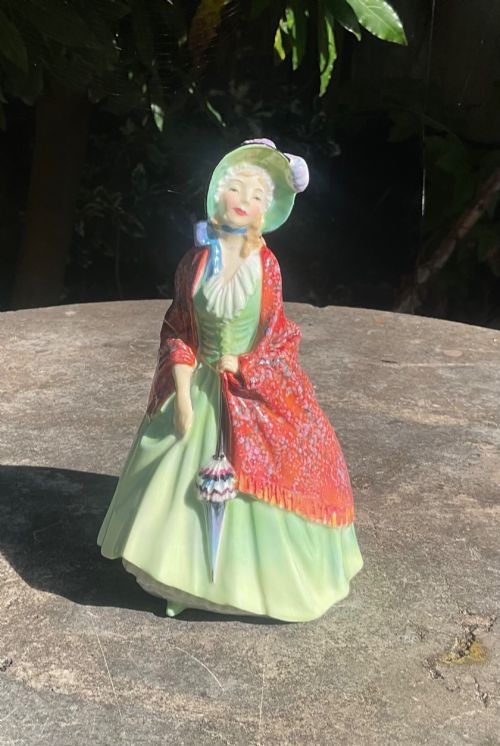
These 1930s ceramic figure pieces are sculptural works of the interwar period that bring immediate geometric character to a mantelpiece.
1930s Ceramic Figure
A 1930s ceramic figure encompasses everything from functional bookends and powder bowls to standalone porcelain ladies and animal sculptures. The pieces gathered under this phrase lean heavily towards the Art Deco aesthetic, capturing the stylized forms and vibrant character typical of the decade.
Most examples you encounter date tightly around nineteen-thirty, often showcasing distinct regional flavours from English potteries to continental European manufacturers. Alongside traditional figurines, the selection frequently incorporates vanity accessories, table lamps, and vases where the sculptural form takes centre stage.
How they were made
Makers utilised slip-casting and moulding techniques to shape the ceramic, porcelain, bone china, and terracotta bodies into complex geometric or figurative silhouettes. Artisans then applied colourful glazes and enamel details, sometimes finishing the pieces with touches of gold leaf or fabric elements.
Firing temperatures varied depending on the material, with porcelain and bone china requiring intense heat to achieve a vitrified, durable finish. Bisque porcelain pieces remained unglazed to highlight the matte texture of the bare ceramic surface.
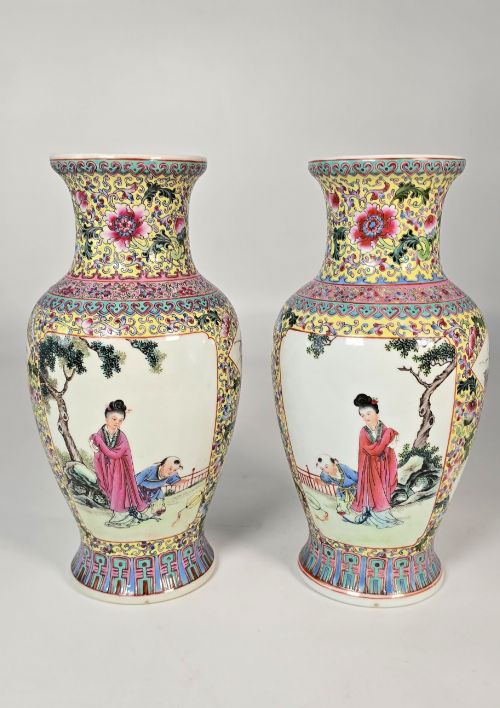
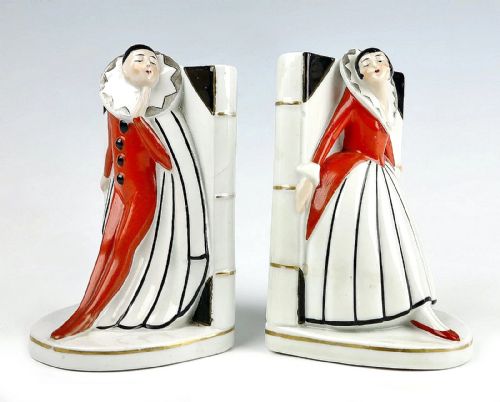
The listings feature diverse forms spanning decorative bookends, powder bowls, table lamps, and traditional figurines.
What varies in quality
Quality rests primarily on the crispness of the moulding and the sophistication of the hand-painted enamels or glaze application. Superior examples display sharp facial expressions, clean lines in the dress or form, and confident brushwork that brings the character to life.
The reputation of the manufactory and the clarity of any signatures or impressed marks heavily influence the standing of an individual piece. Lesser items often suffer from soft details in the casting and muddy or uneven colour distribution across the glaze.
Royal Doulton·Royal Worcester·Mabel Lucie Attwell Shelley·Royal Dux·Bohumil Rezl·John Skeaping for Wedgwood
The 1930s Ceramic Figure Glossary
- Bisque
- Unglazed ceramic fired once to create a porous, matte white surface that resembles marble. It was frequently utilised for continental portrait busts and decorative figures during this era.
- Slip-casting
- A manufacturing method where liquid clay slip is poured into a plaster mould to create hollow ceramic forms. This technique allowed potteries to produce consistent, intricate figurative shapes efficiently.
- Bone china
- A type of porcelain enriched with bone ash, producing a strong, milky-white body with high translucency. It permits thinner walls and finer painted details than standard earthenware.
- Art Deco
- A design style characterised by sleek lines, stylised geometry, and bold colours that dominated decorative arts through the interwar years. Figures from this movement often feature angular drapery and dynamic poses.
1930s Ceramic Figure: Frequently Asked Questions
What materials make up these figures?
The selection includes items formed from traditional ceramic, porcelain, bone china, and terracotta. Many incorporate hand-applied glazes, enamel pigments, and occasional highlights in gold leaf or fabric.
Some pieces utilise unglazed bisque or feature added elements such as glass eyes to enhance the expressive design.
How do I identify an Art Deco piece?
Art Deco examples typically display stylised human forms, sharp geometric angles, and sleek clothing fashions of the interwar period. Look for dancers, flappers, and animals rendered with clean, modern lines rather than soft Victorian curves.
Pots and figures from this movement often embrace bold, solid colour palettes or contrasting monochrome finishes.
Where were these figures made?
The listings encompass works from English potteries alongside pieces originating in Germany, France, and China. European factories produced distinct styles ranging from French cats with glass eyes to German dress ladies.
English manufacturers contributed notable nursery figures and cabinet ladies bearing familiar factory backstamps.
How should I display them at home?
These pieces function well as focal points on mantelpieces, bookshelves, or dedicated display cabinets where their sculptural shapes are visible. Functional variants like bookends, powder boxes, and table lamps can also be integrated directly into daily room decor.
Keep them away from direct sunlight and high-traffic edges to protect delicate glazes and protruding limbs.