

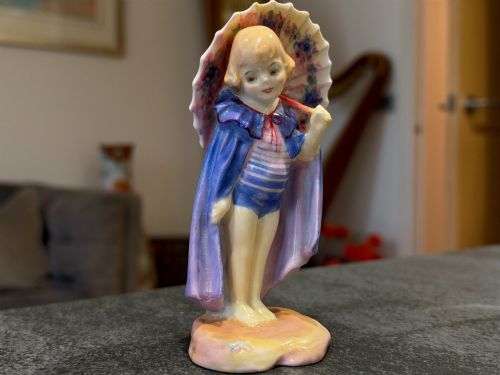

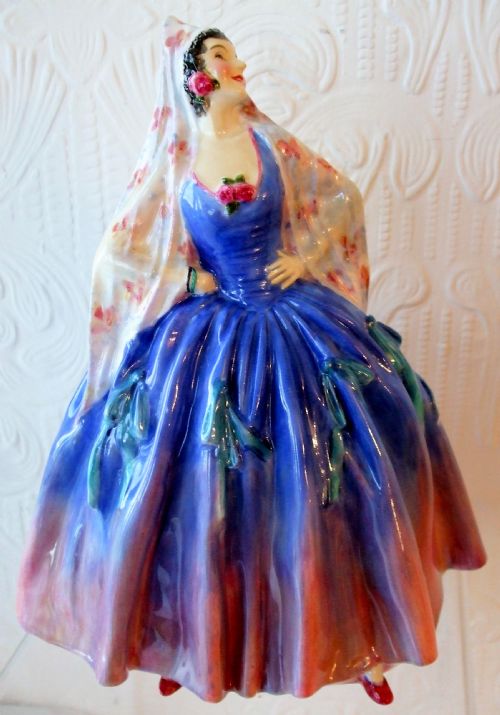


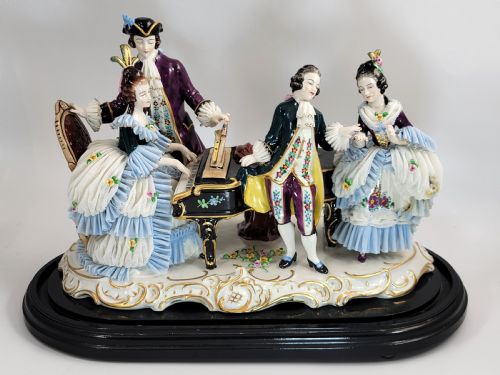


Blue China Figurine
A blue china figurine brings cabinet-scale charm to a room, offering intricate ceramic artistry and characterful subject matter.
Blue China Figurine
A blue china figurine encompasses ceramic figures rendered primarily in blue tones, spanning formats from individual characters to pairs and figural groups. These objects draw from a range of historical periods, notably the nineteenth century, nineteen-hundreds, and nineteen-thirties.
The selections encountered here include porcelain figurines, ceramic figurines, decorative figurines, and specialised candle snuffers. Specific subjects range from pastoral figures like a shepherd and shepherdess to literary and occupational characters, along with Dutch delft pottery cows.
Makers and origins represented across these pieces extend to English potteries, German works, and French porcelain houses. Buyers meet both glazed hard-paste porcelain and tin-glazed earthenware forms, reflecting diverse European traditions.
How they were made
Makers utilised porcelain, bone china, hard-paste porcelain, and tin-glazed earthenware as the primary ceramic bodies for these figures. Potters shaped these materials into detailed forms, sometimes incorporating delicate lace figural elements or biscuit porcelain.
Blue China Figurine Retail Price Guide 2026
Typical asking prices for blue china figurine among the pieces listed under this phrase on Sellingantiques today, from the lower quarter to the upper quarter. They describe what is for sale here now, not the wider market.
Listings feature both English porcelain and continental pottery, incorporating materials like bone china, hard-paste porcelain, and tin-glazed earthenware across multiple historical periods.
What varies in quality
The nuance in modelling and the crispness of painted details dictate the visual success of a piece. Finer examples display precise facial expressions, delicate hand-painted cobalt lines, and carefully applied enamel or gilt touches.
The complexity of the form itself separates standard output from superior works, particularly in intricate items featuring applied porcelain lace or multi-figure compositions. Condition and the preservation of fragile extremities or delicate glaze surfaces also influence the standing of an individual figure.
Royal Doulton·Ernst Bohne Sohne·Royal Worcester
The Blue China Figurine Glossary
- Biscuit porcelain
- Unglazed ceramic fired to a hard state, leaving a matte, porous surface resembling marble. This finish was utilised for fine French figures to highlight sculptural contours.
- Hard-paste porcelain
- A durable ceramic compound made from kaolin and petuntse fired at high temperatures. It forms a dense, vitrified body that resists scratching.
- Tin-glazed earthenware
- Pottery coated with a glaze containing tin oxide to produce an opaque white surface suitable for painting. Dutch delftware employs this technique beneath blue pigment.
- Enamel
- Vitrified glass paste fused to the ceramic surface during firing to add permanent colour. It provides vibrant tones alongside standard underglaze blue.
- Gilt
- A thin layer of gold applied to ceramic details such as garment trims and bases. This highlights specific decorative elements on porcelain figures.
Blue China Figurine: Frequently Asked Questions
What periods do blue china figurines come from?
The pieces available on this page originate from several distinct eras, spanning the nineteenth century through the nineteen-thirties and nineteen-forties. Earlier examples often reflect nineteenth-century styles such as Rococo Revival and Dutch Delftware.
Later pieces from the twentieth century introduce Art Deco and Mid-Century Decorative sensibilities while maintaining traditional porcelain and pottery methods.
How do I identify different ceramic materials?
Ceramic materials vary visibly in texture, weight, and finish across these figures. Tin-glazed earthenware presents an opaque white background typical of delft pottery, whereas hard-paste porcelain offers a denser, vitrified body.
Biscuit porcelain leaves the surface unglazed and matte, while bone china and standard porcelain feature smooth, glossy glaze coats often accented with enamel or gold leaf.
Where were these ceramic figures made?
Geographic origins span multiple European ceramic centres, with notable examples originating from England, Germany, and France. English potteries produced figures and functional decorative items like candle snuffers.
Continental workshops contributed specialised porcelain figures, including lace-work groups from German factories and biscuit porcelain from French makers.
How do I live with and display them?
Displaying these figurines requires stable surfaces away from high traffic areas, as delicate elements like applied porcelain lace and protruding limbs are susceptible to impact. Placing them in enclosed cabinets protects the surfaces from dust and accidental knocks.
Ensure lighting is indirect to prevent long-term fading of enamel colours and gilt highlights on older porcelain pieces.