


1930s Porcelain Figurine
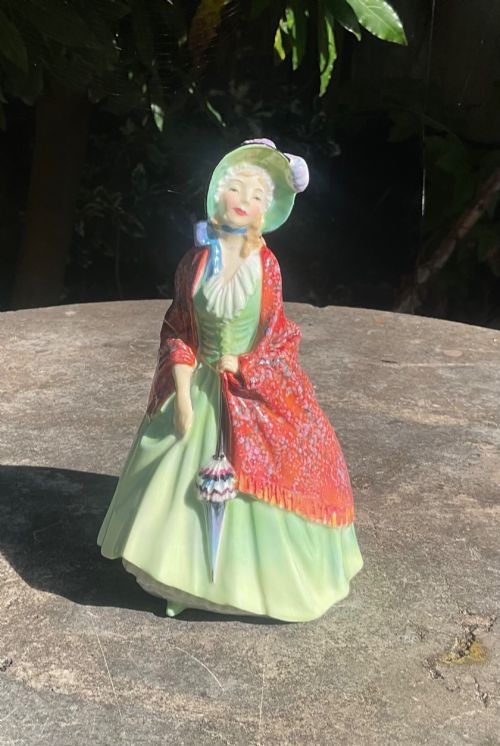
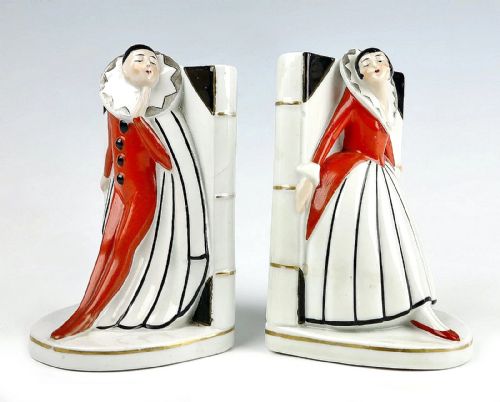
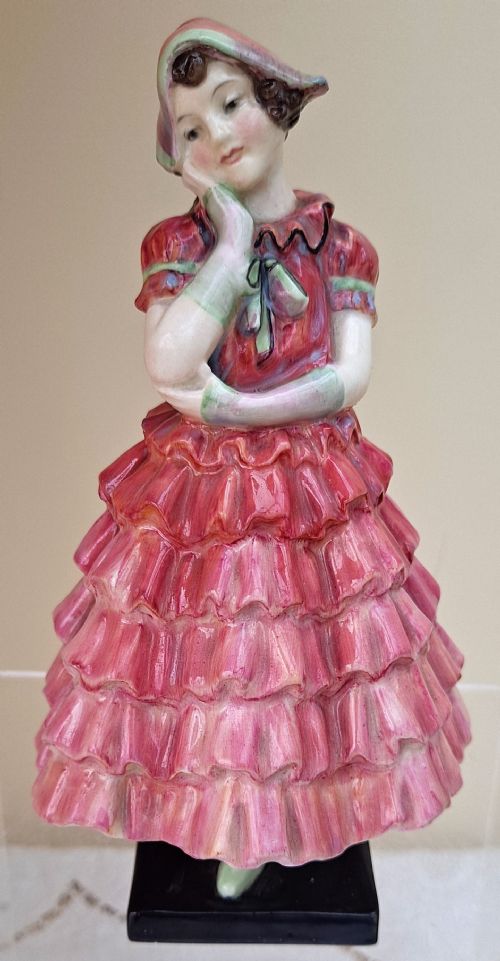
These 1930s porcelain figurine examples capture the spirit of the era through glazed ceramic design and distinct functional forms that collectors display today.
1930s Porcelain Figurine
A 1930s porcelain figurine encompasses glazed ceramic sculptures, decorative ornaments, and functional items like powder boxes, trinket boxes, and bookends. Most pieces on this page follow the dominant Art Deco style, alongside occasional Rococo Revival expressions.
The objects originate from various European workshops and factories, spanning English bone china and continental European porcelain. Buyers encounter figures depicting flapper girls, bathing belles, Pierrots, and ladies with green dresses.
Many items combine sculptural forms with everyday utility, functioning as hatpin holders, cigarette strikers, table lamps, and bonbonnieres. These diverse forms reflect the period's preference for merging decorative art with domestic objects.
How these ceramic and porcelain pieces were produced
Production techniques involved casting or moulding the figures before firing and glazing. Some examples utilise bisque porcelain, leaving the ceramic unglazed for a matte, marble-like finish that accentuates fine modelling.
Listings feature ceramics spanning the 1920s to the 1940s, utilising porcelain, bone china, bisque, and enamel finishes.
What separates the standard of these figures
Quality rests in the crispness of the moulding and the precision of the hand-painted enamel decoration. Superior examples display clear facial expressions and cleanly applied glazes without pooling or running.
Signatures, maker marks, and specific model numbers assigned by established potteries elevate certain pieces above unmarked or generic workshop productions. The complexity of the form, such as half dolls with legs or elaborate hatpin holders, also distinguishes finer items.
Royal Doulton·Clarice Cliff·Royal Worcester·Fasold and Stauch·Royal Dux·Limoges
The 1930s Porcelain Figurine Glossary
- Bisque
- Unglazed porcelain with a matte, porous surface texture. It results from a single firing that leaves the ceramic body exposed.
- Half doll
- A bust-length porcelain figure made without legs, commonly attached to powder boxes, pincushions, or lampshades. They gained popularity during the early twentieth century.
- Bonbonniere
- A small ornamental jar or box designed to hold sweets or confectionery. These containers often feature figurative lids shaped as ladies or Pierrots.
- Bone china
- A type of soft-paste porcelain incorporating animal bone ash. It produces a strong, milky-white ceramic body.
- Enamel
- Opaque glass-like paint applied to the surface of fired porcelain. It is fixed through a secondary low-temperature kiln firing.
1930s Porcelain Figurine: Frequently Asked Questions
What function did a half doll serve?
Makers designed half dolls to sit atop fabric dress skirts that concealed powder jars, pincushions, or perfume bottles. These decorative torsos served both ornamental and practical household roles on dressing tables.
Collectors prize them for their detailed facial expressions and period hairstyles that encapsulate the fashion of the interwar decades.
How do I identify an Art Deco figurine?
Art Deco figurines typically display geometric lines, stylised drapery, and modernist depictions of flapper girls or bathing belles. The posture and clothing reflect the modernist shifts in design during the 1920s and 1930s.
Smooth glazes and minimal yet bold colour palettes further distinguish these pieces from earlier ornate styles.
How should I clean porcelain figurines?
Dust these items gently using a soft, dry brush to prevent the accumulation of dirt on glazed or bisque surfaces. Avoid using harsh chemical cleaners or submerging pieces with delicate enamel or gold leaf details in water.
Regular, careful maintenance preserves the original glaze and painted decoration over time.