





Yellow Porcelain Figurine
A yellow porcelain figurine brings bright colour and sculptural form to a room, catching the eye with vibrant glaze and character.
Yellow Porcelain Figurine
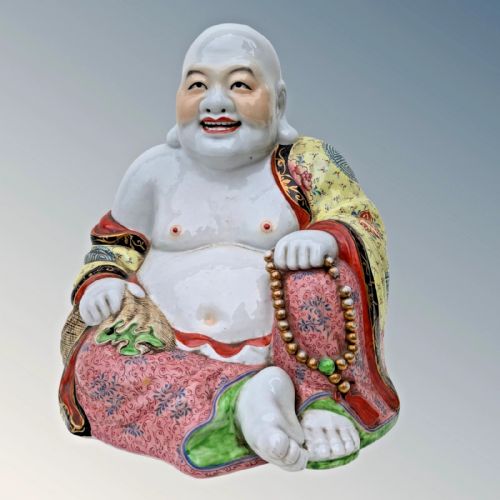
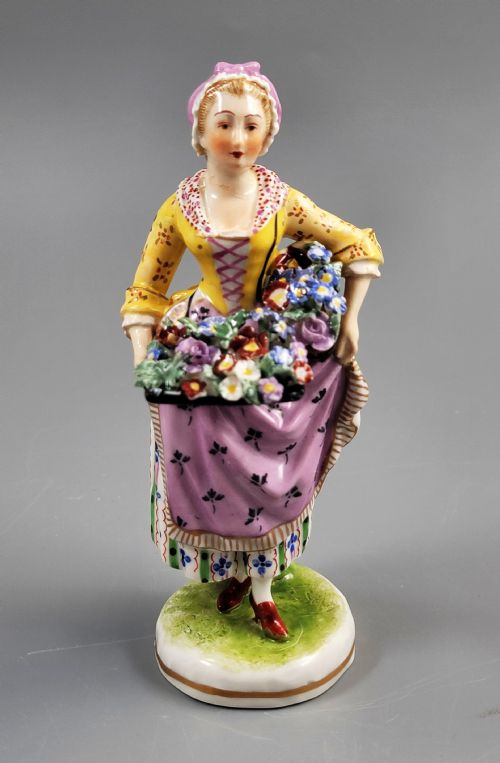
A yellow porcelain figurine encompasses decorative figures, animal models, and vanity items spanning the eighteenth century through to the mid-twentieth century. The selection ranges from Georgian models of flower sellers and gardeners to Art Deco powder boxes and cockatoos.
Buyers will encounter various forms on this page, including birds, human figures, and lidded powder bowls finished in distinct yellow glazes. These pieces reflect diverse aesthetics, moving from eighteenth-century rococo curves to sleek twentieth-century designs.
How they were made
Makers utilised porcelain, ceramic, and soft-paste porcelain as bodies, shaping them into elaborate figural forms. These bodies received enamel glazes and occasional gold leaf details to create bright surface finishes.
Firing techniques allowed glazes to adhere smoothly to the ceramic and porcelain substrates, resulting in durable decorative objects. Artisans modelled intricate details by hand before applying colour and firing the pieces to vitrify the material.
Listings feature porcelain, ceramic, and soft-paste porcelain materials adorned with enamel glaze and gold leaf.
What varies in quality
The precision of the modelling and the crispness of the painted details distinguish finer examples from standard work. Superior pieces display delicate facial expressions, carefully rendered clothing or feathers, and even glaze application without pooling.
The depth and vibrancy of the enamel glaze also influence the overall character of the piece. Well-preserved gilding and intact delicate extremities indicate careful handling and superior initial manufacture.
Meissen·Derby·Dressel Kister And Cie·Limoges·William Goebel
The Yellow Porcelain Figurine Glossary
- Soft-paste porcelain
- A ceramic material composed of clay and glass frit, fired at lower temperatures than hard-paste porcelain. It produces a warm, slightly translucent body common in eighteenth-century English factories.
- Enamel glaze
- A vitreous composition fused to the surface of ceramics to provide colour and protection. This technique creates a glossy finish that holds bright hues.
- Gold leaf
- Thin sheets of hammered gold applied to the surface of porcelain for decorative highlights. It adds reflective detail to borders and garments.
- Powder box
- A lidded vessel designed to hold cosmetic powder on a dressing table. These items often feature figural or decorative ceramic handles.
- Sancai glaze
- A three-colour ceramic glaze technique originating in China, known for its overlapping amber, green, and cream or yellow tones.
Yellow Porcelain Figurine: Frequently Asked Questions
How old are these figurines?
The pieces span several centuries, with examples originating from the Georgian period up to the mid-twentieth century. Each era brings distinct stylistic traits, from eighteenth-century pastoral scenes to twentieth-century geometric lines.
Examining the base, the style of the modelling, and the nature of the glaze helps determine the specific period of manufacture.
How were powder boxes used?
Powder boxes sat on dressing tables to store loose cosmetic powders used during the nineteenth and twentieth centuries. Their decorative lids kept the contents clean while adding sculptural charm to the bedroom.
Many incorporate figural lids or modelled heads that served as functional handles for daily grooming routines.
How do I care for glazed porcelain?
Keep porcelain figurines out of direct sunlight to protect the vibrant enamel glazes from fading over time. Dust them gently with a soft, dry brush to avoid scratching the glazed surface or delicate extremities.
Avoid using liquid cleaners, especially on pieces with gold leaf or painted details that might wear away with moisture.
What defines Art Deco figurines?
Art Deco pieces typically feature stylised human forms, sharp geometric lines, and strong colour contrasts popular during the 1930s. Figures like bathing belles and pierrots capture the modern leisure culture of the interwar period.
These items often combine utility with art, appearing as powder bowls, hat pin holders, and pin cushion doll heads.