




Gilded China Figurine
These gilded china figurine examples bring together porcelain and gold leaf across the eighteenth and nineteenth centuries.
Gilded China Figurine
A gilded china figurine combines porcelain bodywork with metallic highlights, ranging from figures of Minerva to seasonal representations and candle snuffers. You will encounter forms spanning the eighteenth and nineteenth centuries, including pieces from Derby, Bow, Chelsea, and Paris.
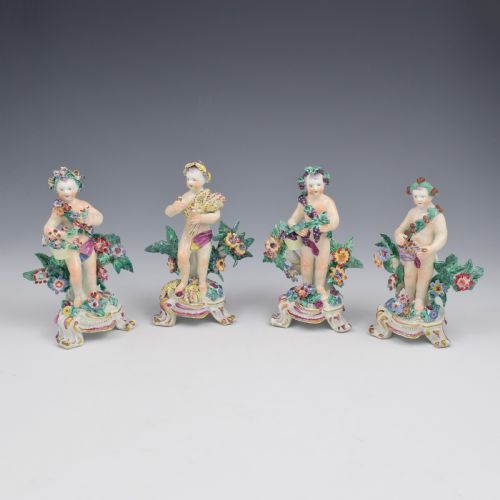
The objects take many shapes, from allegorical figures of the seasons and seated rustics to actors like James Quin as Falstaff and animals such as gun dogs. Makers like Royal Worcester and Volkstedt also produced smaller utilitarian pieces like candle snuffers.
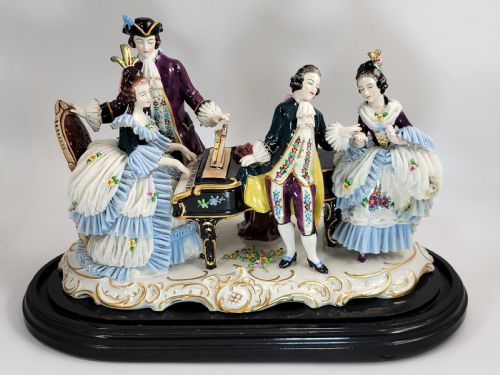
Most examples belong to the Georgian and Victorian eras, often exhibiting Rococo Revival styles or earlier Rococo influences. The selection also reaches into the early twentieth century with pieces from makers such as Ernst Bohne Söhne.
Materials and construction
Makers utilised porcelain, soft-paste porcelain, and blanc de chine as the foundational bodies for these figures. Potters shaped the clay by hand or in moulds before firing the ceramic base.
Colour and texture arrive via enamel and overglaze enamel applied across the surface. Artisans then added gold leaf, gilt, and gilding to accentuate robes, bases, and decorative details.
Listings feature porcelain, enamel, and gold leaf across the 18th Century, 19th Century, and 1920.
Judging the work
The application of gold leaf and gilding differentiates standard production from superior output. Well-executed gilt highlights enhance the sculptural form without overwhelming the ceramic body beneath.
Bow Porcelain·DERBY PORCELAIN·Chelsea Anchor Mark·Paris Porcelain·Minton Porcelain·Royal Worcester Porcelain·Ernst Bohne Söhne·Volkstedt
The Gilded China Figurine Glossary
- Soft-paste porcelain
- A glass-rich ceramic composition fired at lower temperatures than hard-paste porcelain. It creates a warm, slightly porous body common in eighteenth-century English factories.
- Overglaze enamel
- Pigments painted on top of the fired glaze and fixed by a second, lower-temperature firing. This technique allows for bright, varied surface colours.
- Gilding
- The application of gold leaf or powdered gold to the surface of the porcelain. It provides the metallic accents characteristic of these pieces.
- Blanc de chine
- A French term for white Chinese porcelain, later adopted to describe unpainted white figures produced by European factories. It emphasises the pure ceramic form without enamel decoration.
- Allegorical figures
- Sculptural representations of abstract ideas or seasonal themes, such as the four seasons or personifications of virtues. They were popular display items in elite interiors.
Gilded China Figurine: Frequently Asked Questions
What are gilded china figures?
These are ceramic sculptures decorated with enamel and gold leaf, produced by European factories from the eighteenth century onwards.
They depict mythological figures, actors, animals, and allegorical representations of seasons.
How were they used?
They served as decorative table ornaments and display pieces in wealthy homes during the Georgian and Victorian periods.
Some smaller forms, such as candle snuffers, also fulfilled practical household duties.
How do I date a figure?
Dating relies on factory marks, paste composition, and stylistic cues like Rococo Revival moulding or Regency details.
Eighteenth-century pieces often use soft-paste porcelain, while later nineteenth-century examples show different manufacturing standards.
Where were they made?
Production took place across notable European centres, including English potteries in Derby, Bow, and Chelsea.
Continental workshops in France and Germany, such as Volkstedt and Paris porcelain houses, also contributed significantly.