



Georgian Ceramic Figures
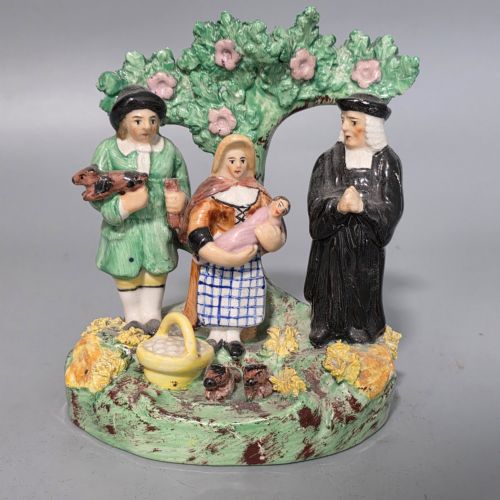
Georgian ceramic figures encompass charming porcelain and earthenware sculptural works from the eighteenth and early nineteenth centuries.
Georgian Ceramic Figures
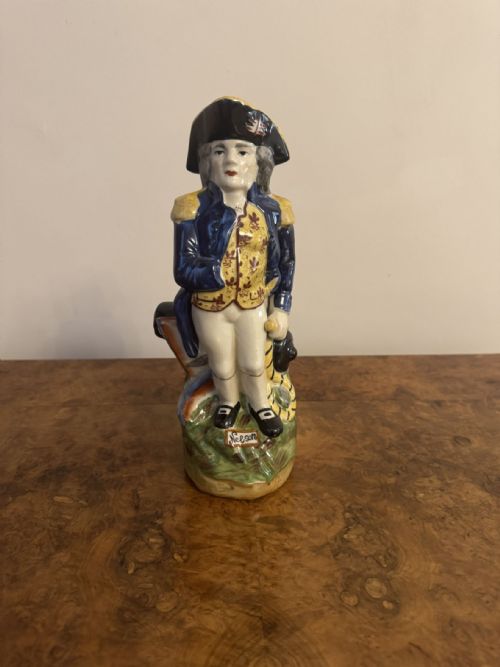
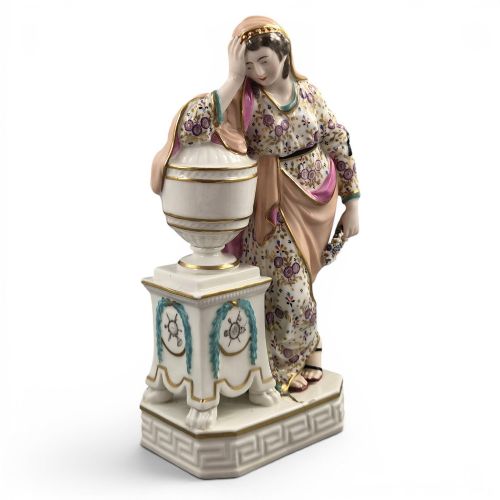
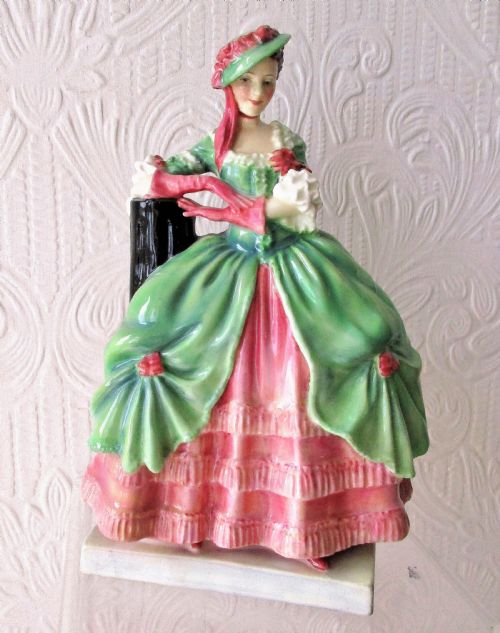
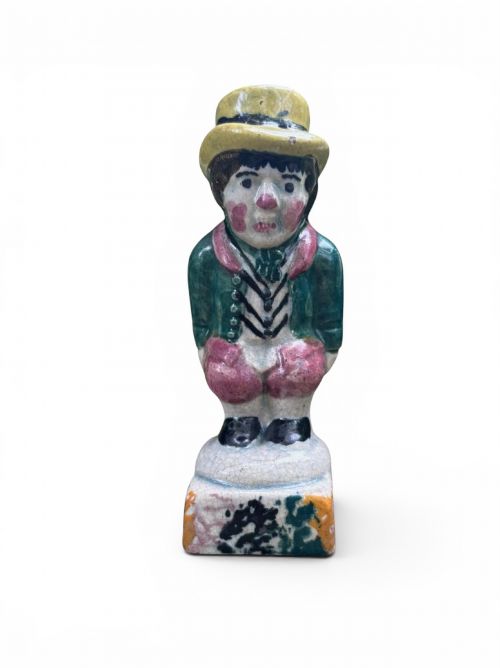
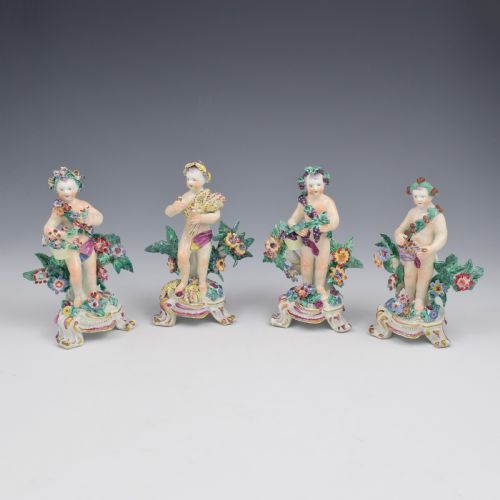
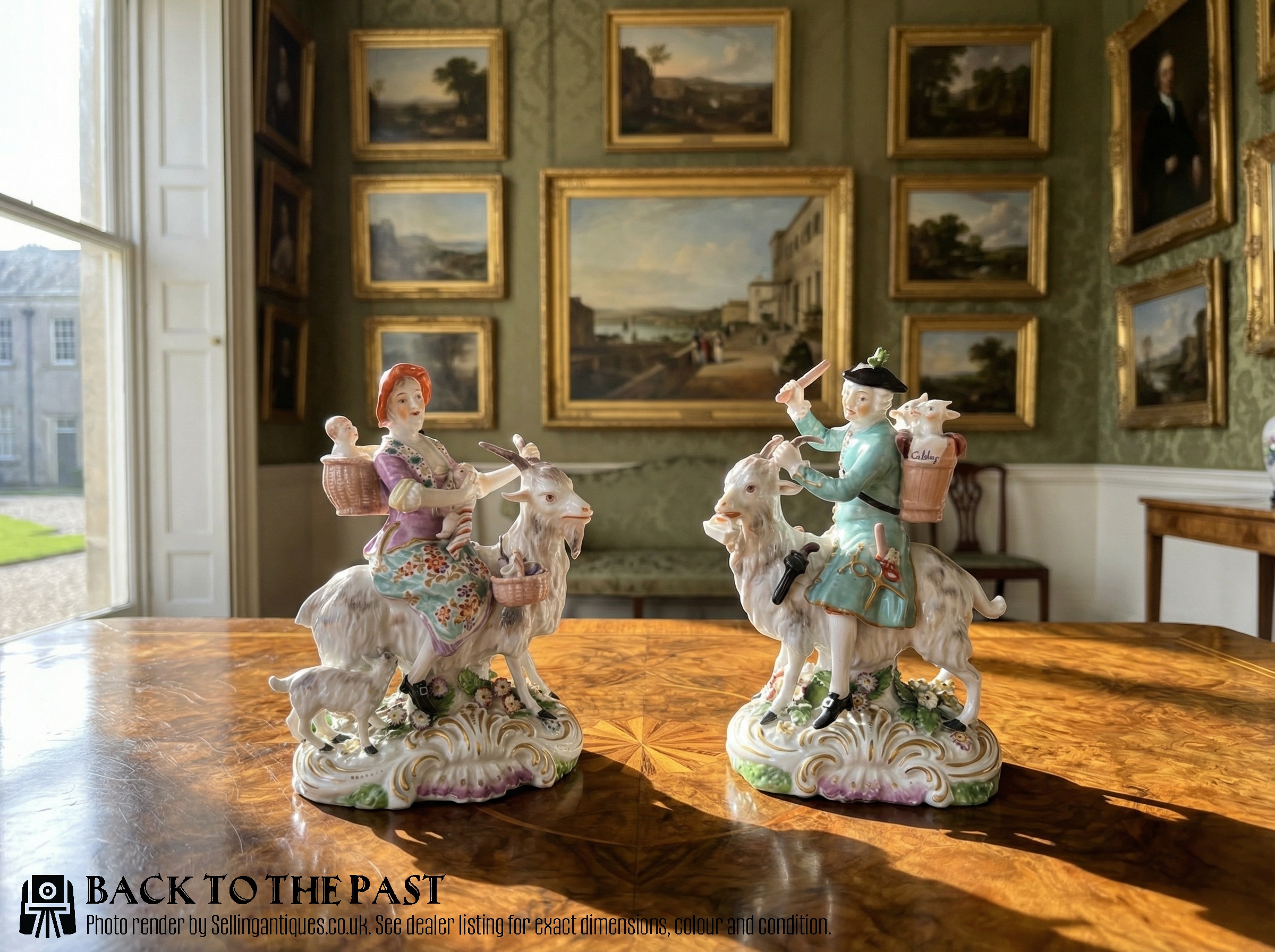
Georgian ceramic figures comprise hand-modelled sculptural pieces depicting classical deities, literary characters, and rustic subjects. These objects range from mythological allegories such as the four elements to domestic animal groups and mounted figurines.
Collectors encounter both soft-paste and hard-paste porcelain alongside earthenware and pearlware forms. Prominent regional works originate from established factories including Derby and Bow alongside Staffordshire potteries.
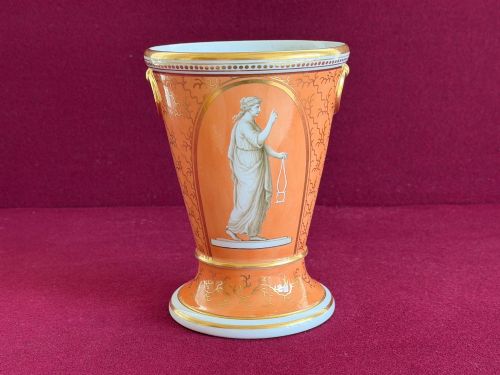
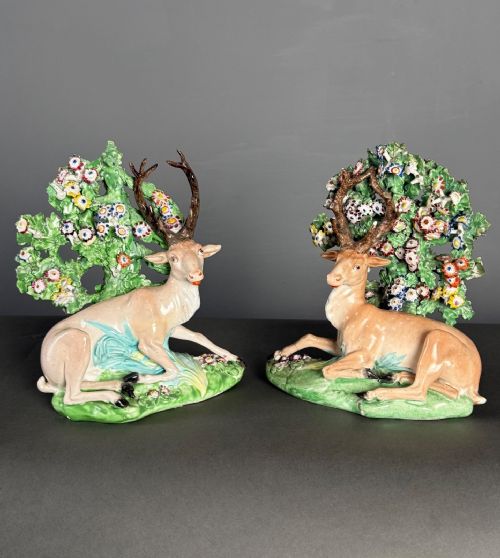
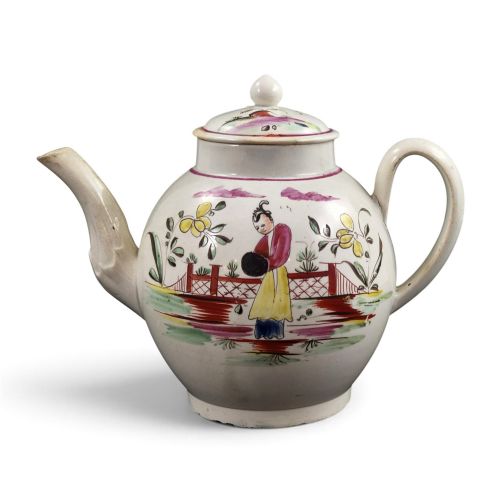
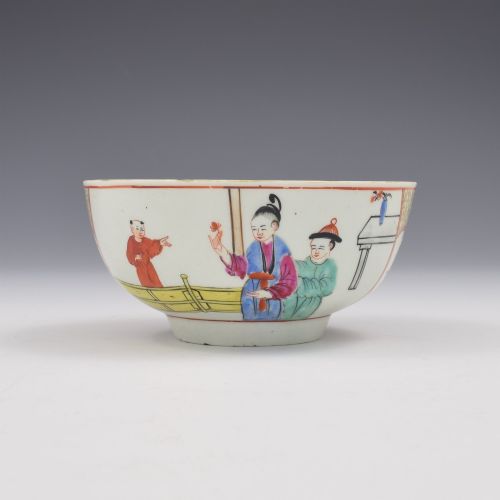
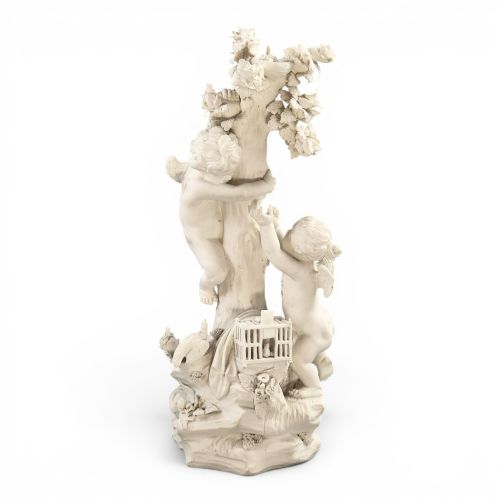
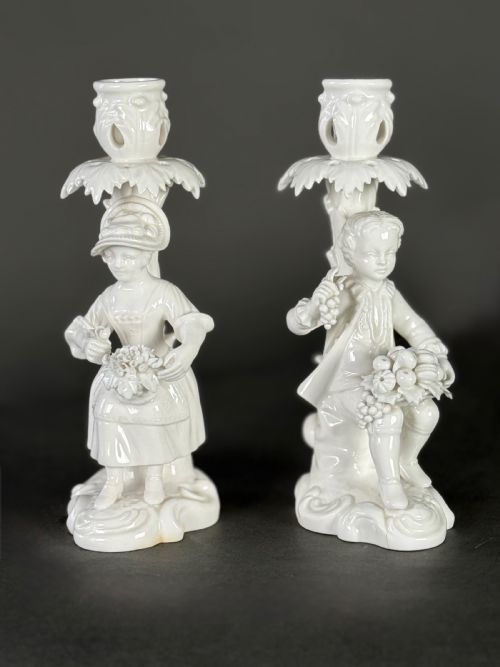
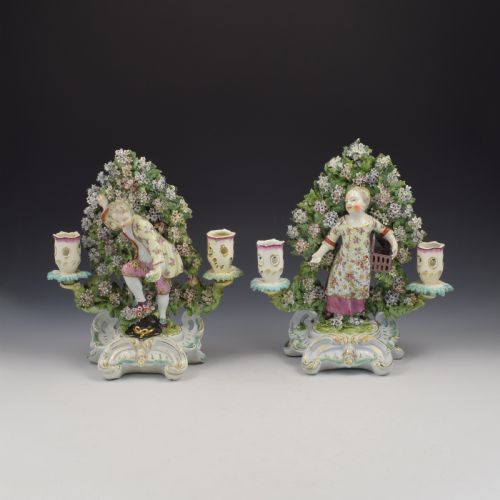
The assortment spans utilitarian vessels featuring painted figures to standalone decorative statuary designed for interior display. Many surviving examples depict allegorical seasons, pastoral workers, and wildlife modelled with bocage foliage.
How they were made
Makers utilised earthenware, creamware, pearlware, and soft-paste or hard-paste porcelain bodies. These ceramic materials were shaped using press moulds or slip-casting techniques before receiving hand-painted enamel colours and gilding.
Porcelain figures frequently incorporated biscuit porcelain alongside glazed surfaces to highlight intricate details. Potters also applied applied clay elements such as bocage foliage and gold leaf accents to enhance visual depth.
Listings feature pearlware, earthenware, and soft-paste porcelain across the Georgian, Regency, and Victorian periods.
What varies in quality
Sculptural execution defines the tier of a piece, distinguishing crisp facial expressions and fine hand-painted enamelling from softer moulded details. The delicacy of applied floral bocage and the precision of the glaze also separate superior examples from standard workshop output.
Compositional complexity dictates the standing of individual models, with multi-figure groups and detailed allegorical sets requiring greater technical mastery. The survival of fragile extremities and original gilding largely influences the desirability among collectors.
Flight And Barr Worcester·Royal Doulton·Ralph Wood·Derby·Bow·Longton Hall
The Georgian Ceramic Figures Glossary
- Bocage
- An applied background of ceramic foliage or branches framing a figure. This intricate decorative feature is characteristic of eighteenth-century porcelain production.
- Pearlware
- A refined earthenware body developed by Staffordshire potters featuring a bluish-white glaze. It was widely utilised for figures and tableware from the late eighteenth century.
- Biscuit porcelain
- Unglazed porcelain fired to a matt finish, frequently termed bisque. This medium highlights sculptural modelling without the distraction of surface gloss.
- Enamel
- Vitreous colours applied over the glaze and fired at a lower temperature. These pigments provide the vibrant palette seen on many figures and vessels.
- Soft-paste porcelain
- An artificial ceramic paste composed of white clay and glassy frits fired at lower temperatures. It produces a warm body prized by early English factories.
Georgian Ceramic Figures: Frequently Asked Questions
How are figures dated?
Dating relies upon paste characteristics, glaze formulas, and specific factory mark variations recorded across production periods. Stylistic traits such as rococo scrolls or neoclassical restraint offer further chronological clues.
Comparison with documented model numbers helps narrow the timeline of manufacture. Archival records from factories like Derby provide reliable benchmarks for specific pieces.
What is pearlware?
Pearlware is a refined type of earthenware developed to rival Chinese porcelain through the addition of cobalt to the glaze. This created a distinct bluish tint in crevices.
Introduced in the late eighteenth century, it became the primary body for Staffordshire figures and decorative vessels. Its development marked a major milestone in British ceramics.
What is bocage?
Bocage represents applied ceramic foliage or leafy branches that frame a central figure group. Modelled by hand, these leafy backgrounds mimic natural woodland settings.
This technique appears frequently on eighteenth-century porcelain figures from factories such as Derby and Bow. It adds both structural support and decorative depth to the composition.
How were they displayed?
These figures were designed to ornament mantelpieces, side tables, and cabinet shelves within fashionable homes. They served as conversation pieces reflecting the owner's cultural interests.
Paired figures and matching sets of seasons were arranged symmetrically across rooms. Their vibrant enamels brought colour to period interiors.