


Vintage Porcelain China
Vintage porcelain china brings together delicate figurines, richly painted plates, and decorative bowls spanning from Georgian workshops to mid-century studios.
Vintage Porcelain China
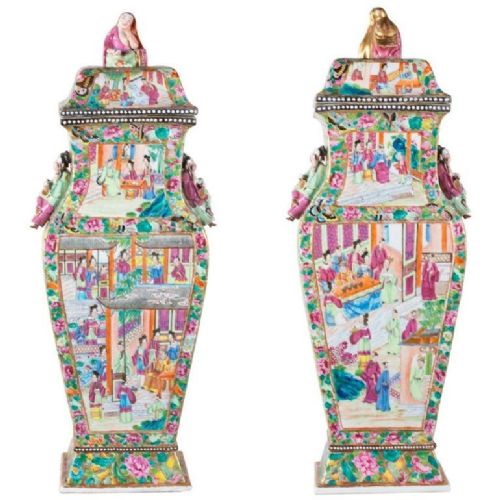
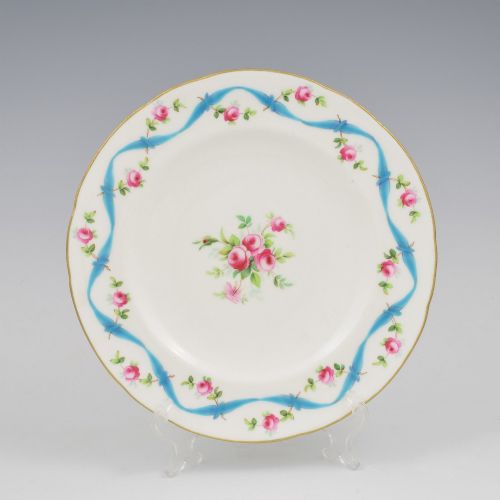
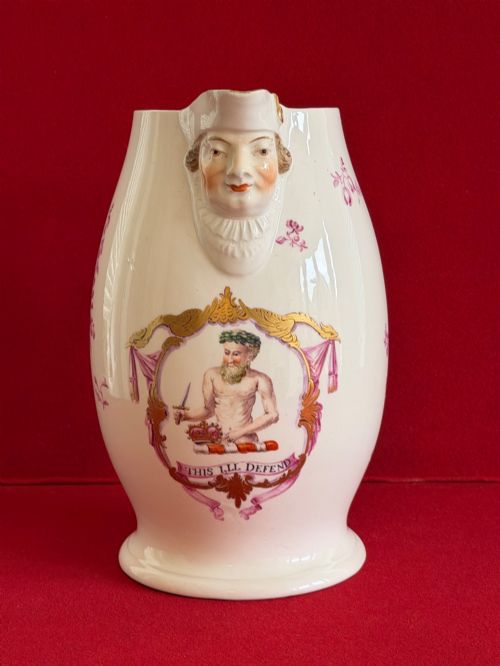
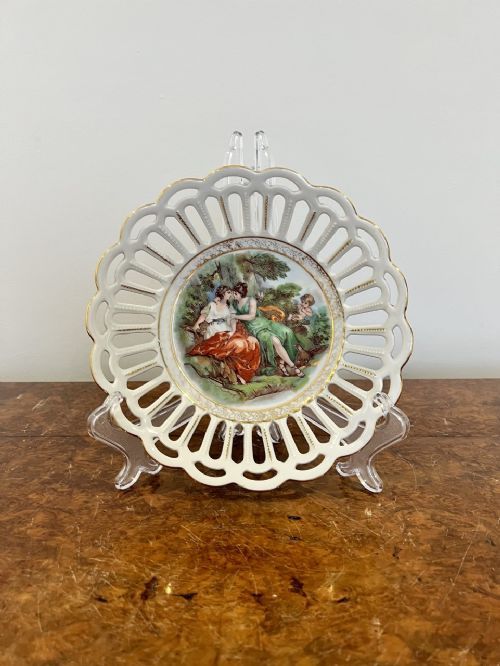
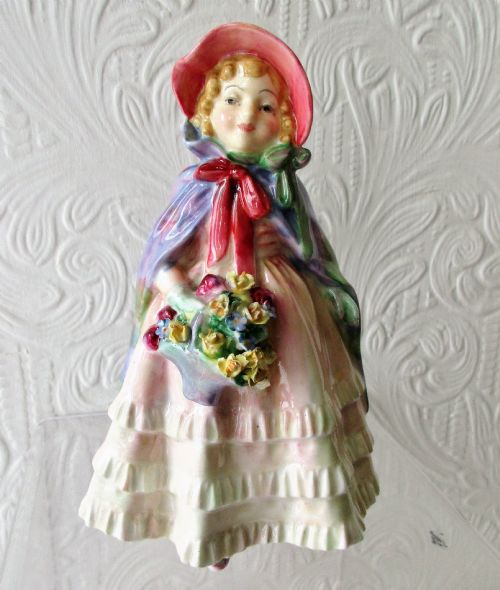
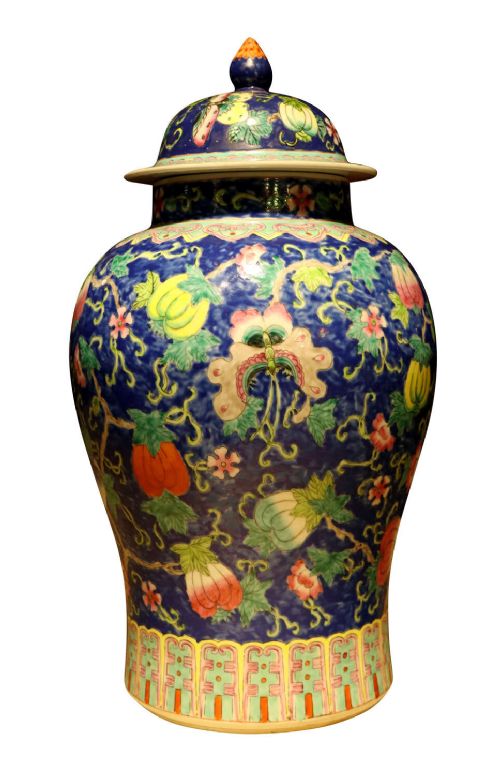
When searching for vintage porcelain china, buyers encounter a diverse range of objects spanning multiple centuries, from eighteenth-century Georgian tableware to mid-twentieth-century decorative figures. The selection includes cabinet plates, painted fruit dishes, teapots, vases, and ginger jars originating from English potteries, European manufactories, and Japanese kilns. Victorian and Edwardian household pieces appear alongside earlier Georgian items and later 1930s figurines.
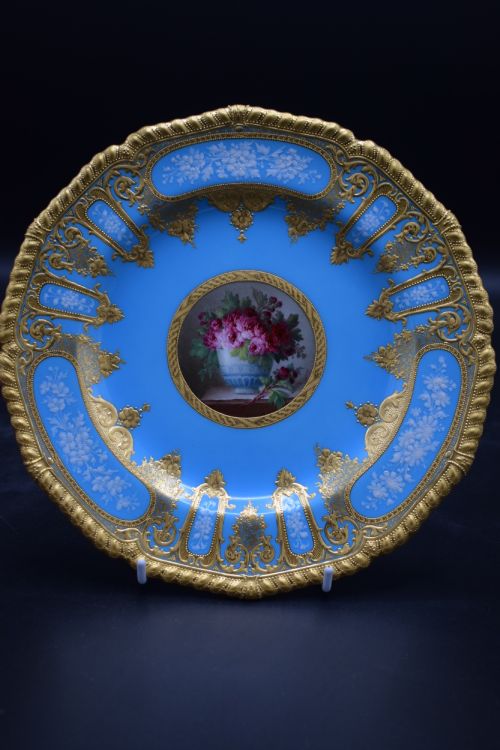
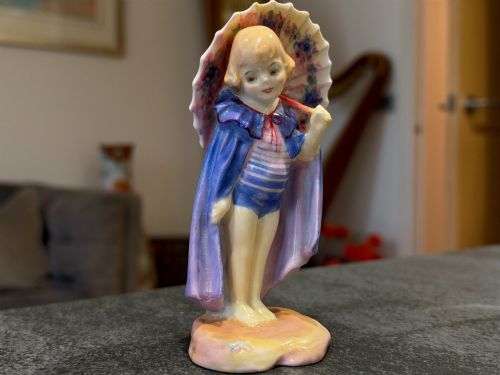
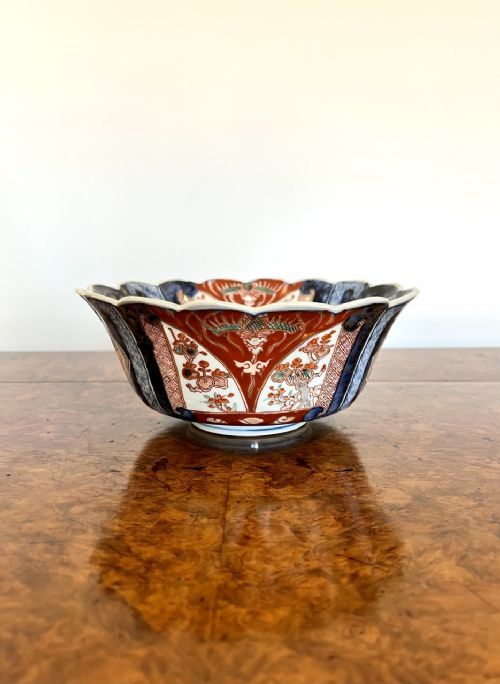
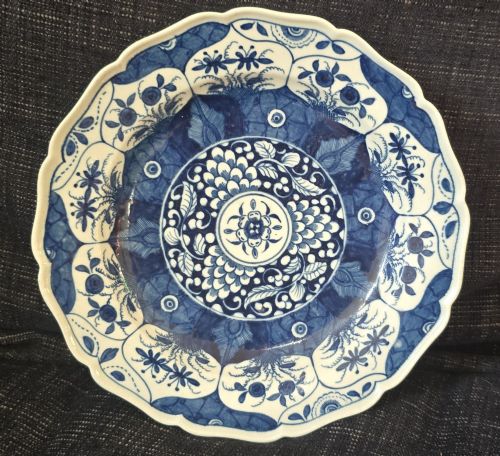
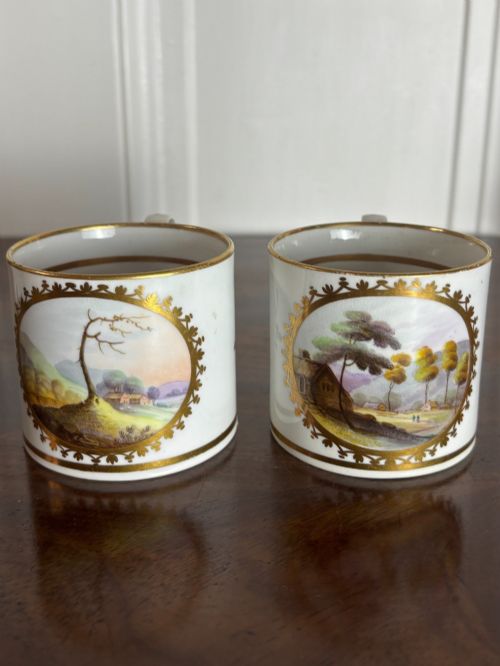
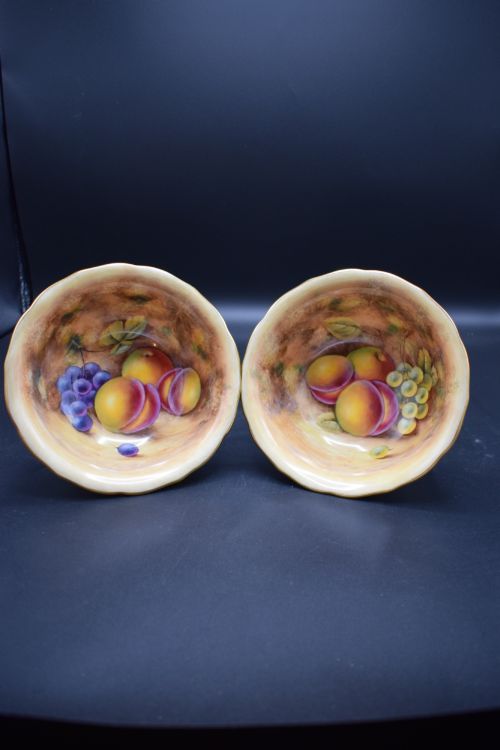
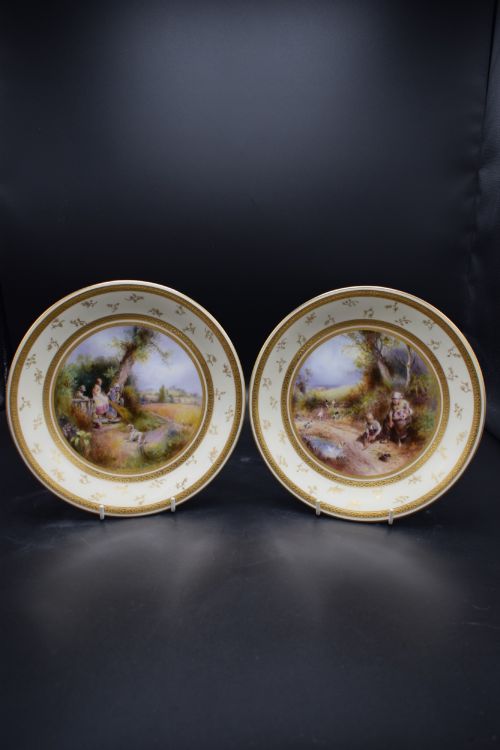
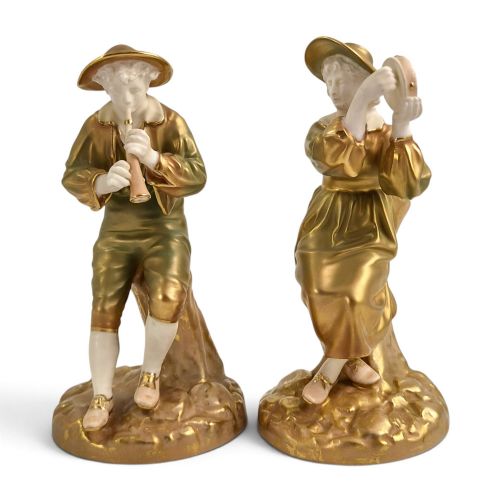
The most frequent items on this page are cabinet plates, decorative bowls, and character figurines produced by established makers such as Royal Worcester and Royal Doulton. These pieces reflect specific period aesthetics, including Japanese Imari patterns, Art Deco styling, and traditional English floral painting. Buyers find everything from utilitarian coffee cans to elaborate dessert services bearing hand-painted landscapes and fruit motifs.
How they were made
Potters shaped fine ceramic and bone china bodies before applying smooth glaze surfaces to seal the porous clay. Kiln firing fixed the base forms, preparing the pieces to receive detailed enamel painting and intricate patterns.
Artisans embellished many items using gold leaf and hand-applied gilding, accentuating raised rims, handles, and borders. Specialised painters executed complex natural scenes, fruit studies, and traditional Japanese Imari motifs directly onto the glazed surfaces.
Vintage Porcelain China Retail Price Guide 2026
Typical asking prices for vintage porcelain china among the pieces listed under this phrase on Sellingantiques today, from the lower quarter to the upper quarter. They describe what is for sale here now, not the wider market.
Current listings feature porcelain china across eight distinct periods, led by Victorian, Edwardian, and 1930s items.
What varies in quality
The standard of painting heavily dictates the value of decorative plates and figures, with signed artist work achieving greater distinction than standard factory transferware. Hand-painted fruit studies and detailed landscapes by named artists demonstrate superior technical execution compared to mass-produced patterns.
The crispness of the porcelain body and the precision of the gilding separate ordinary tablewares from exceptional cabinet pieces. Well-preserved enamel colours and intact gold leaf retain their visual impact, whereas worn decoration diminishes the overall presence of the object.
Royal Doulton·Royal Worcester·Royal Crown Derby·Nymphenburg·Davenport China
The Vintage Porcelain China Glossary
- Bone china
- A type of soft-paste porcelain incorporating animal bone ash to produce a durable, slightly translucent white ceramic body.
- Cabinet plate
- A decorative ceramic plate intended for display in a cabinet rather than for serving food at the dining table.
- Imari
- A style of Japanese export porcelain characterised by a distinctive palette of underglaze blue, iron red, and gilt highlights.
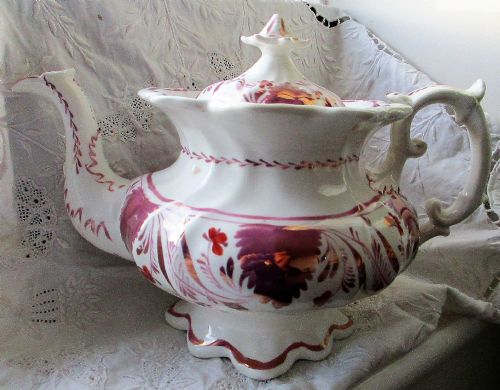
- Pink lustre
- A ceramic glaze incorporating colloidal gold to produce a metallic pink or purple sheen across the surface.
- Coffee can
- A small, cylindrical ceramic cup designed for drinking strong coffee during the eighteenth and nineteenth centuries.
Vintage Porcelain China: Frequently Asked Questions
Can I use these plates for dining?
Most antique and vintage cabinet plates are intended primarily for display rather than everyday dining use.
Older glazes and historic gilding can wear down or react poorly to modern cutlery and dishwasher detergents.
How do I identify the period?
Examine the factory backstamps, shape characteristics, and painting styles to match pieces against known manufacturing eras.
Stylistic cues such as Art Deco geometric lines or Victorian floral motifs help narrow down the decade of production.
Are painted fruit plates rare?
Hand-painted fruit plates, particularly those signed by studio artists, represent a specialised category within porcelain collecting.
Manufactories like Royal Worcester employed dedicated painters to create these intricate, colourful botanical studies.