






Art Deco Doulton
Art deco doulton brings together bold geometric forms and fine ceramic modelling from the early decades of the twentieth century.
Art Deco Doulton
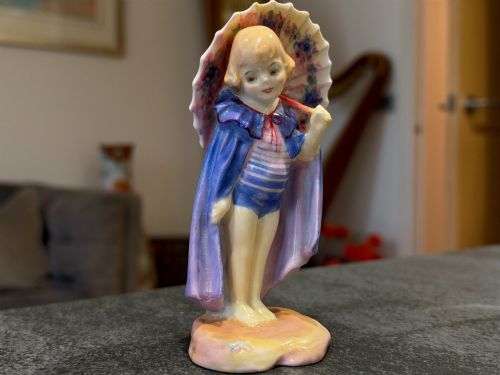
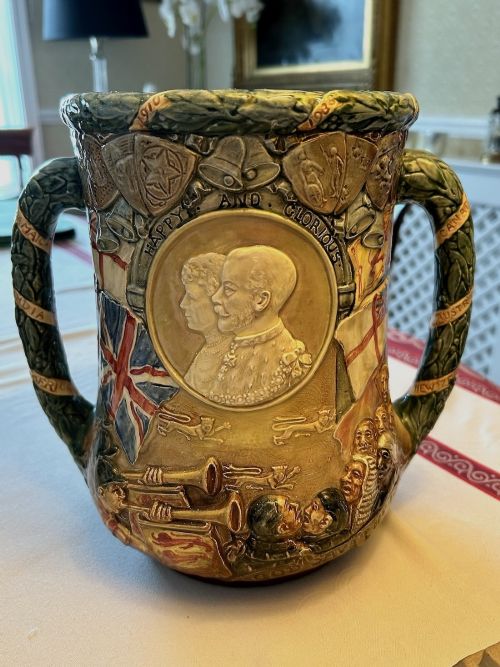
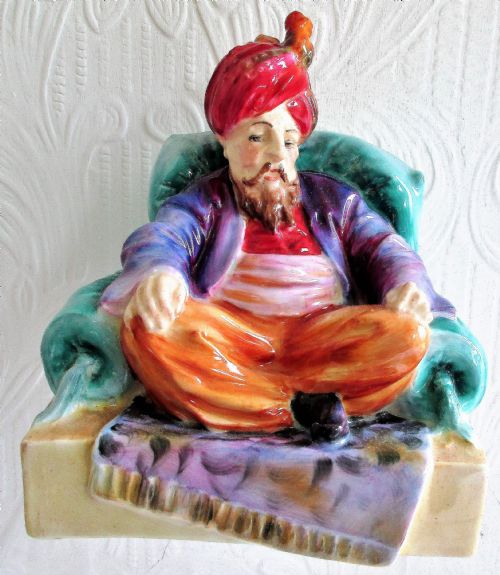
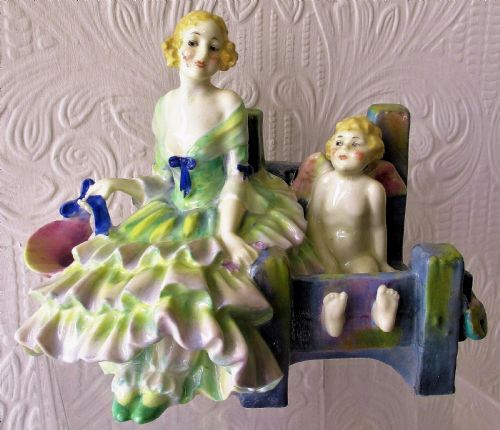
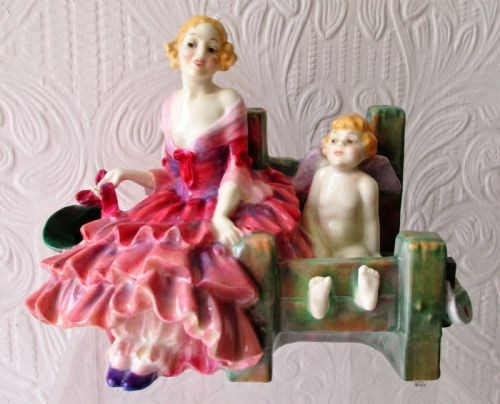
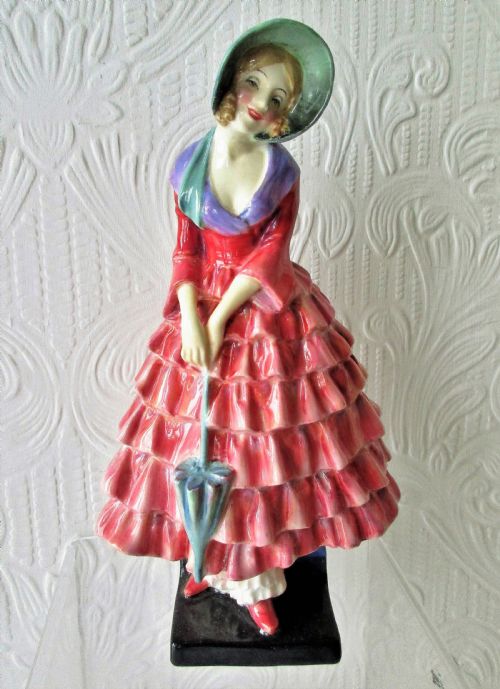
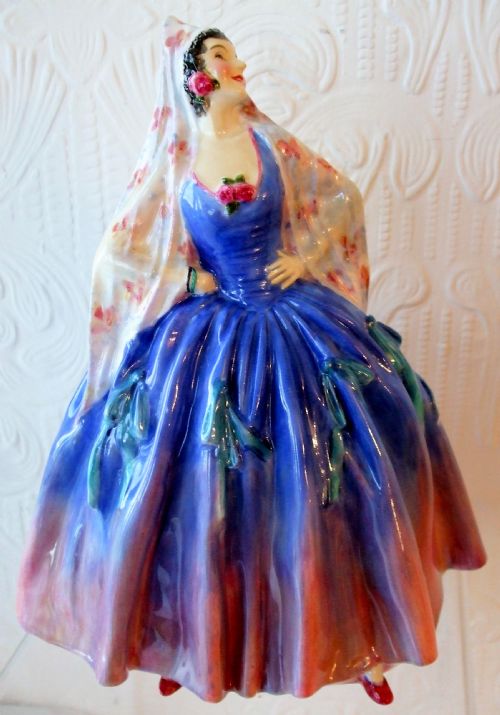
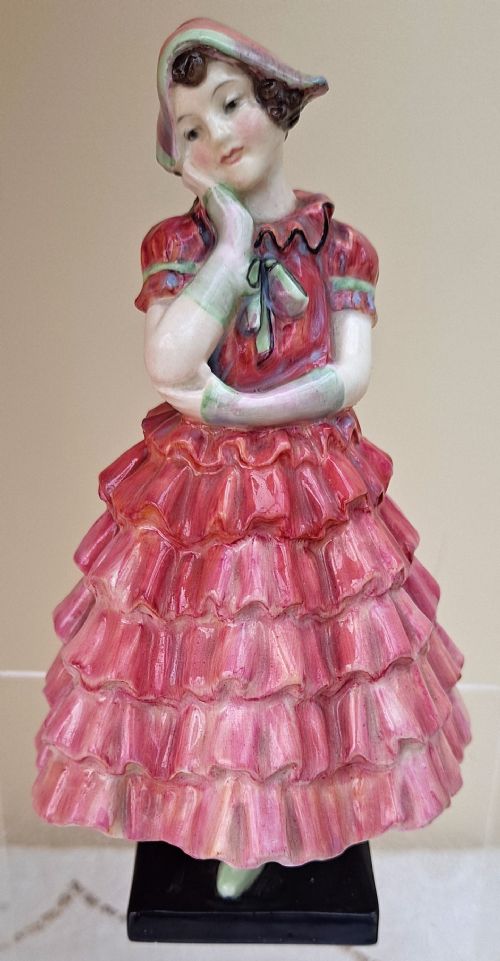
When you search for art deco doulton, you are looking at glazed ceramic items ranging from figurines to vases and commemorative wares. These objects date primarily from the nineteen twenties, nineteen thirties, and nineteen forties, capturing the shifting aesthetic of the period.
The most common versions met on this page are English porcelain figurines depicting named characters with distinct model numbers, alongside functional pieces such as sandwich sets and decorative vases. These items reflect the output of a major Staffordshire pottery operating through distinct design eras.
The objects combine mass production capabilities with hand-finished decorative details, showing how domestic ceramics evolved during the interwar years.
How art deco doulton pieces were made
The manufacture of these ceramics relies on materials such as bone china, porcelain, earthenware, and heavy stoneware, each fired to achieve a durable ceramic body. Makers applied layered glazes, ceramic glaze, and hand-painted colours to the surface before secondary firings.
Art Deco Doulton Retail Price Guide 2026
Typical asking prices for art deco doulton among the pieces listed under this phrase on Sellingantiques today, from the lower quarter to the upper quarter. They describe what is for sale here now, not the wider market.
Listings feature items produced across the nineteen twenties, nineteen thirties, and nineteen forties.
What varies in quality
Quality in these ceramics rests on the crispness of the moulding and the precision of the hand-painting, particularly on painted figurines where facial expressions and fine lines demand high skill. Simpler functional items rely instead on the evenness of the glaze application and the clarity of the colours.
The presence of named artist decorations or scarce production marks alters the standing of individual items within the wider range of outputs.
Royal Doulton·Florrie Jones·Ethel Beard·Jane Hurst·R. Allen
The Art Deco Doulton Glossary
- Bone China
- A type of soft-paste porcelain containing bone ash, known for its high strength, chip resistance, and translucent body.
- Earthenware
- A porous pottery body fired at lower temperatures than porcelain, requiring an impermeable glaze to hold liquids.
- Figurine
- A small carved or moulded statuette representing a human figure, character, or animal, frequently hand-painted.
- Stoneware
- A dense, vitrified ceramic made from clay fired at high temperatures until non-porous and vitreous.
- Glaze
- A glassy coating fused to a ceramic body through firing to colour, decorate, or waterproof the surface.
Art Deco Doulton: Frequently Asked Questions
How do I date art deco doulton pieces?
Dating relies on recorded production years, registered model numbers, and specific backstamps applied underneath the ceramic base. Archive records help align specific figurine numbers with their active manufacturing periods.
Changes in factory marks and crown logos over the decades also provide clear chronological markers for collectors.
What materials were used in art deco doulton?
The pieces utilise bone china, porcelain, earthenware, and heavy stoneware bodies. These are finished with various ceramic glazes and hand-painted enamel colours.
The choice of material often dictates whether an item serves a decorative purpose or a functional role in the home.
Are all figurines marked with numbers?
Most figurines feature an HN number stamped or painted on the underside, standing for Harry Nixon, a key figure in the painting department. These numbers correspond directly to production ledgers.
Matching the number to the title ensures accurate identification of the character portrayed.
How should I display these ceramics?
Displaying these items requires stable surfaces away from direct sunlight, which can fade delicate hand-painted enamel colours over time. Vases and figurines benefit from enclosed shelving that protects them from accidental knocks.
Keeping them in stable indoor humidity prevents any stress on the underlying ceramic body or glaze.