
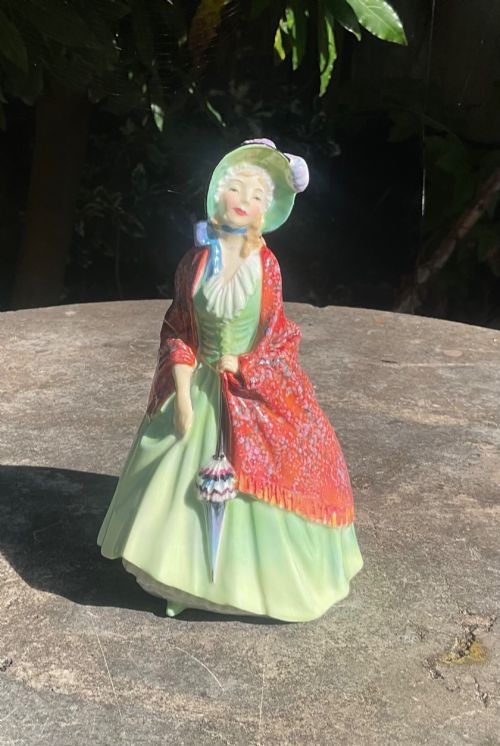
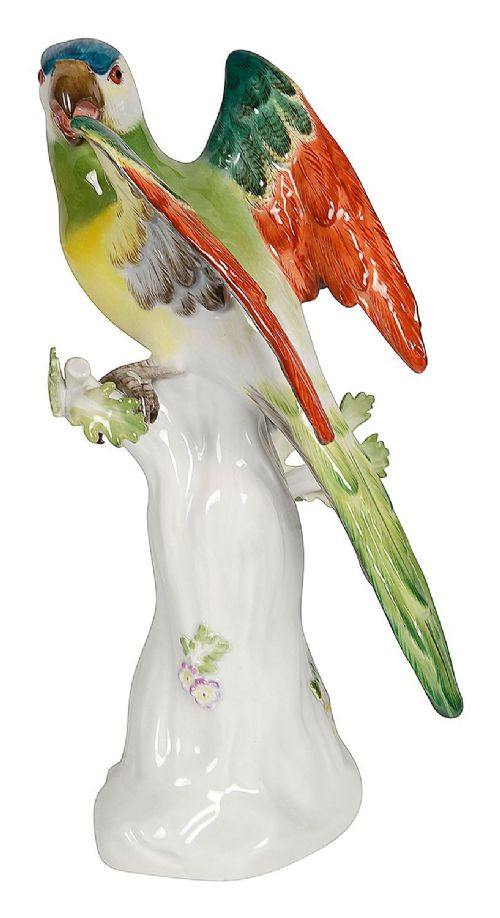
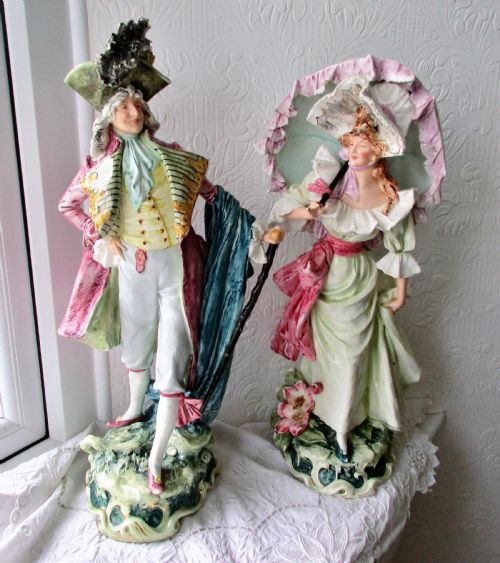
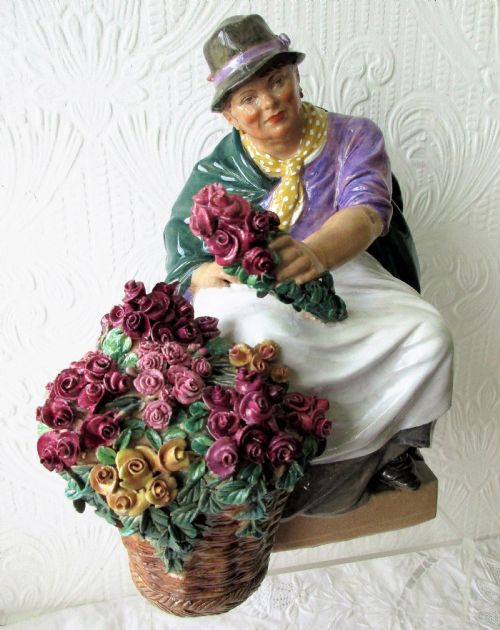
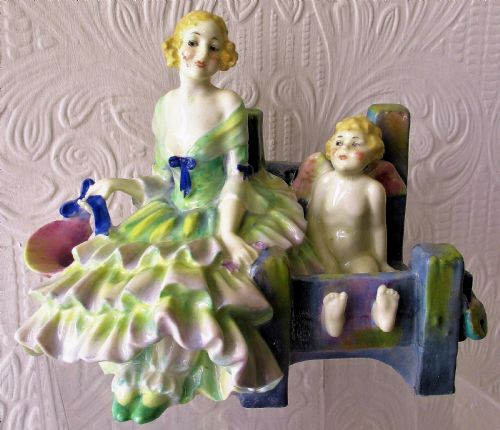


Green Glazed Statue
A green glazed statue brings character to a room, ranging from figures of animals and musicians to classical forms.
Green Glazed Statue
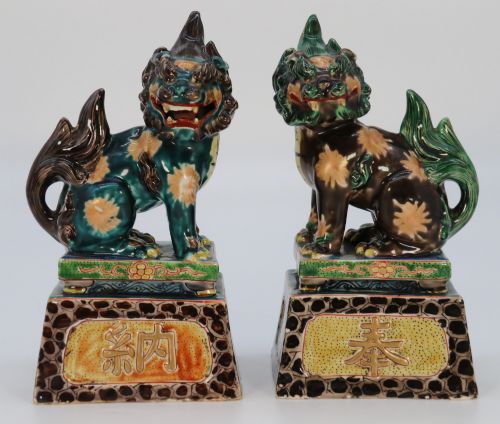
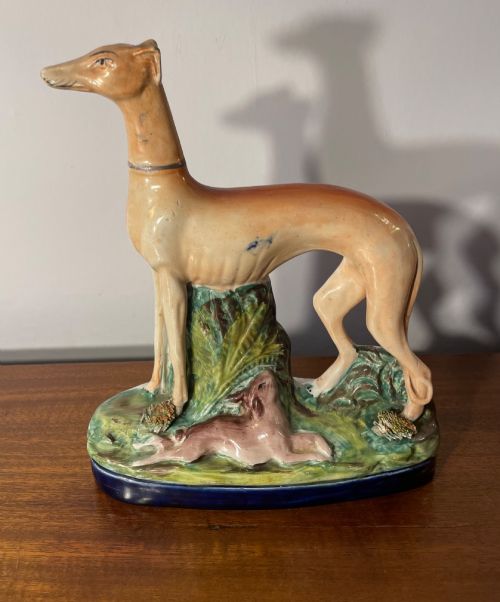
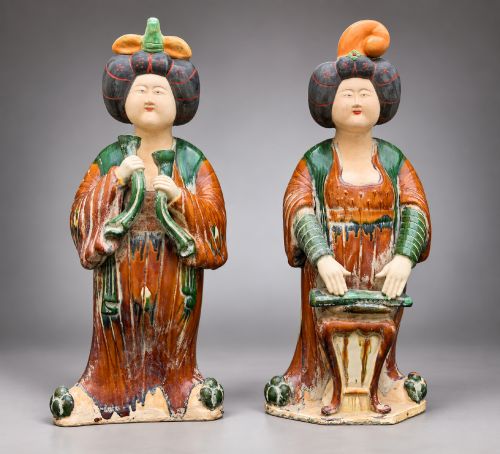
The selections span from late nineteenth-century European porcelain and English earthenware to Chinese pottery figures executed in a Tang Dynasty style. These pieces serve primarily as ornamental sculptures rather than functional vessels.
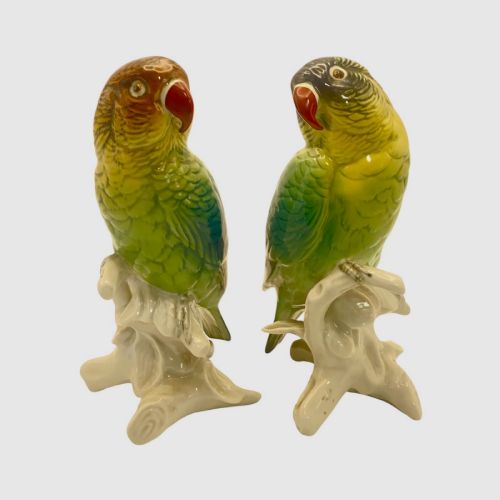
Victorian Staffordshire pottery, Art Deco ceramic ladies, and early twentieth-century German porcelain represent common finds within this category. Each period contributes distinct sculptural forms, from humorous groups to formal pairs of temple guardians.
How they were made
Makers shaped these pieces using earthenware, porcelain, and ceramic bodies, often applying lead glaze or enamel to achieve the characteristic green surface finish. Sancai glazes, featuring amber and green tones, appear frequently on Chinese pottery interpretations.
European factories utilised moulded porcelain and earthenware, followed by hand-painting and high-temperature firing to set the glaze. Artisans combined slip casting and hand-modelling techniques to create the detailed surface textures seen on birds and human figurines.
Listings feature earthenware, porcelain, and ceramic materials finished with lead glaze or enamel.
What varies in quality
The application and preservation of the glaze affect visual appeal, with even coverage and rich coloration distinguishing better-executed pieces. Signed works or products from renowned potteries generally exhibit higher artistic ambition.
Karl Ens·Royal Doulton·Charles Vyse·Royal Dux·Royal Worcester
The Green Glazed Statue Glossary
- Sancai
- A traditional three-colour Chinese glaze technique predominantly utilising green, amber, and cream tones on pottery figures. It is frequently replicated or adapted in later decorative works.
- Pearlware
- A fine-grained earthenware developed in the eighteenth century featuring a thin glaze that pooled slightly blue in crevices. It provided a whiter surface than earlier creamware.
- Faience
- A term applied to tin-glazed earthenware produced in France and other European regions. It typically supports hand-painted decoration beneath the glossy surface.
- Shishi
- A traditional East Asian guardian lion figure, also known as a Foo Dog. These creatures were traditionally placed to protect buildings and sacred spaces.
Green Glazed Statue: Frequently Asked Questions
How do I identify a green glazed statue?
Examine the material beneath the glaze, noting whether the body is dense porcelain or porous earthenware. Look for factory marks, artist signatures, or typical glaze pooling that indicates the period of manufacture.
Compare the sculptural style and modelling technique against known examples from European potteries or Asian traditions to confirm the likely origin.
Where should I display a green glazed statue?
Place these figures on stable mantelpieces, bookshelves, or dedicated display cabinets where they receive balanced ambient light. Ensure the supporting surface is level to protect heavier ceramic or pottery bases.
Keep pieces away from direct sunlight to preserve the richness of enamel and glaze colours over time.
How do I clean a green glazed statue?
Dust the surface gently using a soft, dry brush or a clean microfiber cloth to remove everyday particles. Avoid harsh chemical cleaners or abrasive scrubbing pads that might damage the fragile glaze.
Consult a professional conservator if the piece requires deeper cleaning due to accumulated grime or historical residue.
Are these statues fragile?
Ceramic, porcelain, and earthenware figures are inherently brittle and vulnerable to chipping or cracking if dropped or struck. Handle each piece with two hands, supporting both the base and the main body.
Display them away from high-traffic household areas to minimise the risk of accidental knocks.