

Vintage Cane Chair
A vintage cane chair brings woven texture and solid timber frames into a room, offering enduring support across dining and lounging forms.
Vintage Cane Chair
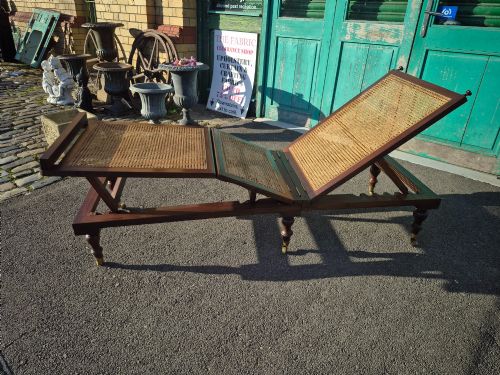
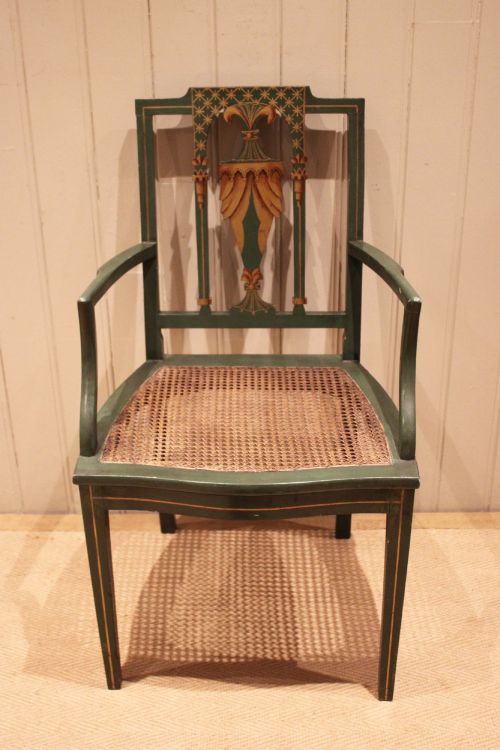
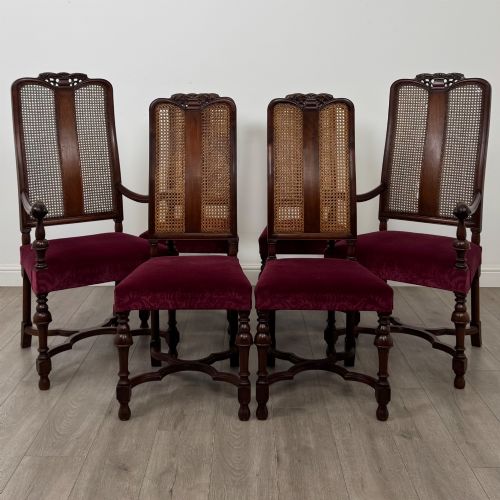
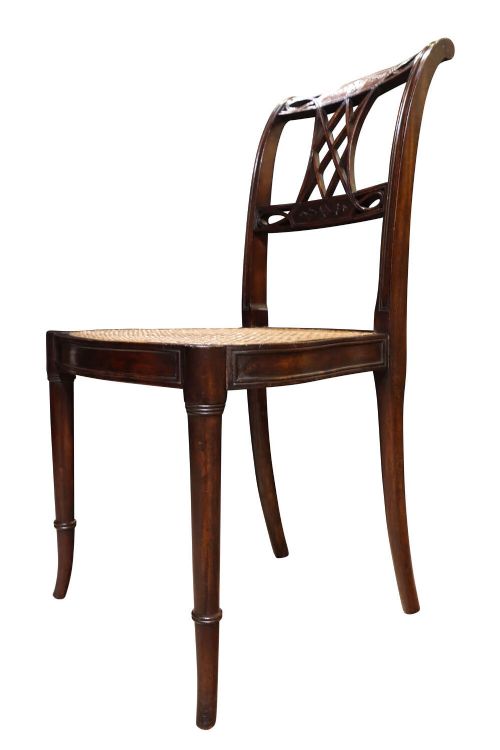
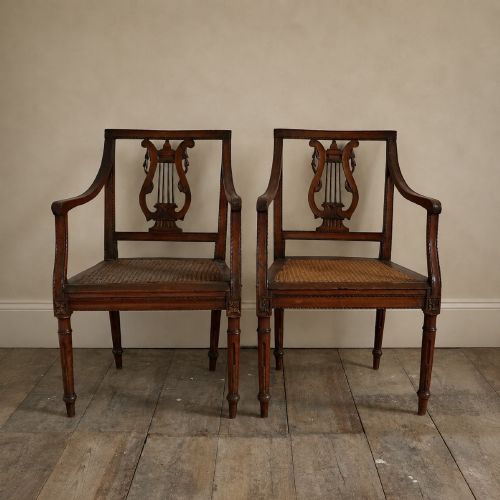
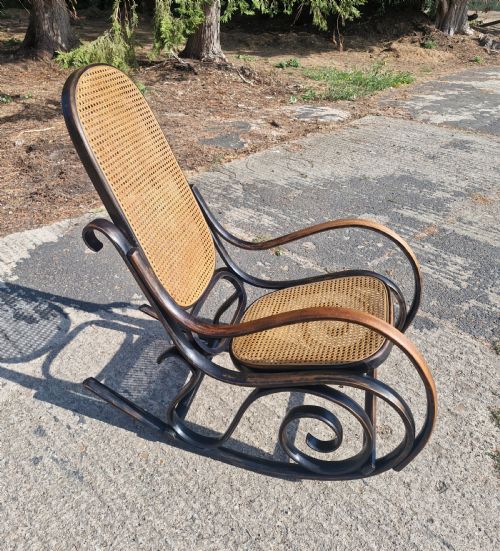
A vintage cane chair encompasses various seating forms designed for dining, study, and relaxation, spanning armchairs, side chairs, rocking chairs, and daybeds. These pieces originate from periods including the nineteenth century, the Edwardian era, and the nineteen-twenties, reflecting diverse stylistic revivals.
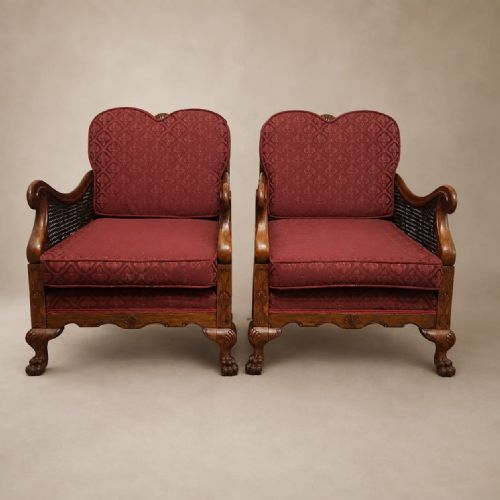
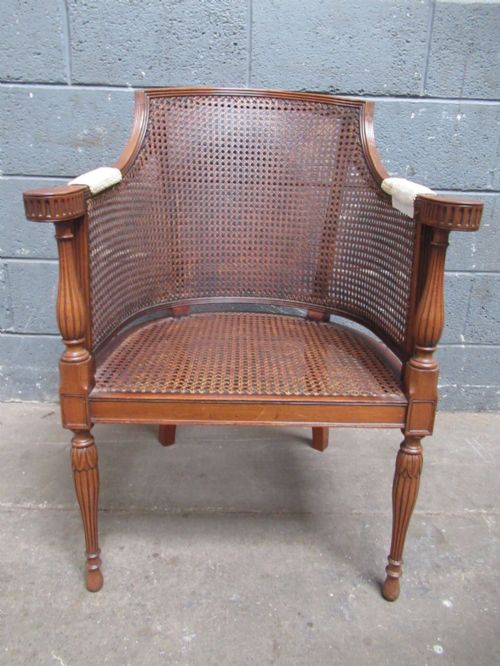
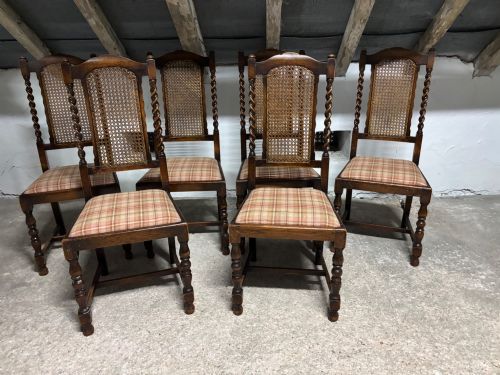
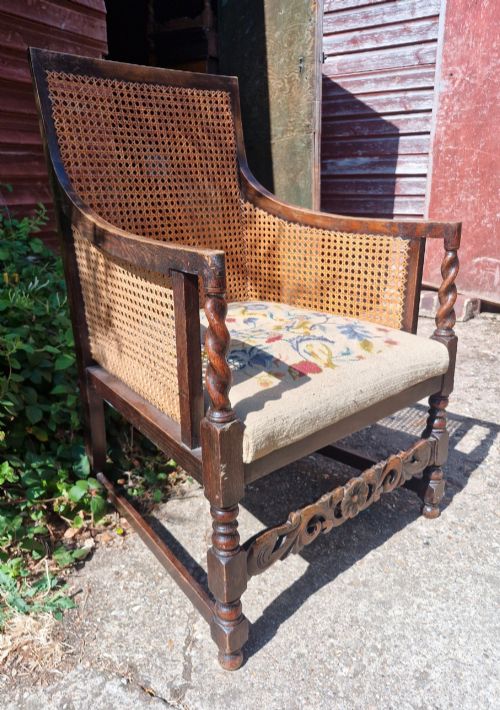
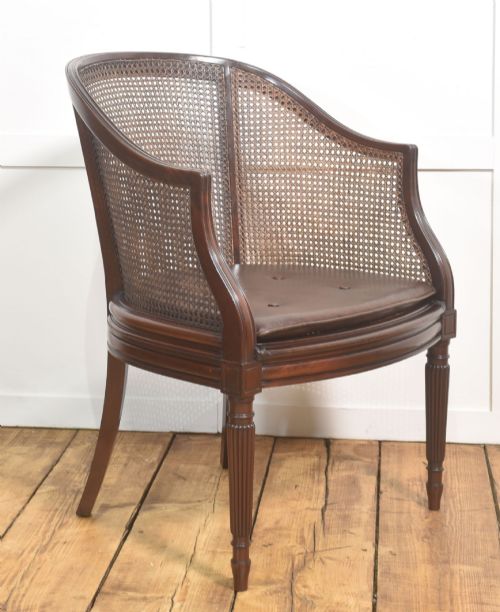
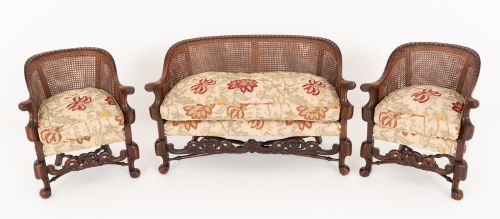
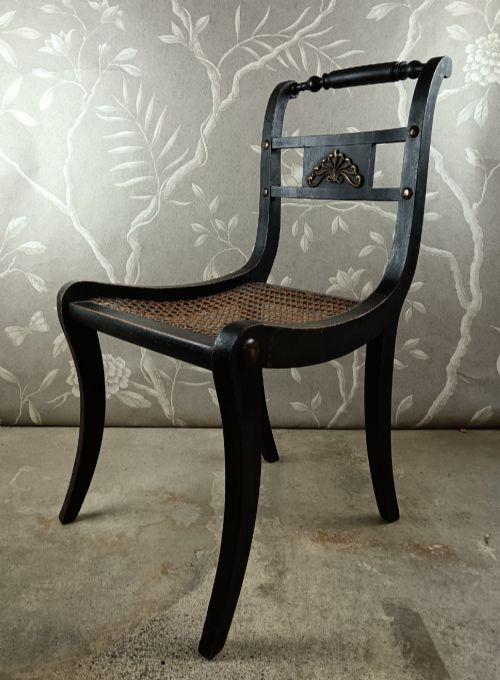
The most common examples on this page are mahogany and oak armchairs featuring woven cane seats and backs, often styled in the bergere tradition or following Regency and Edwardian designs. Buyers also encounter dining sets and occasional chairs constructed from walnut, beech, and ebonised timber.
Materials and Technique
Frames are constructed from hardwoods such as mahogany, oak, walnut, and ebony, alongside bentwood and painted or gilt surfaces, sometimes accented with brass inlay, leather, or velvet. Joinery relies on traditional cabinet-making methods to support the structural weight of the timber while housing the woven inserts.
The characteristic seating and back panels employ natural cane, split cane, or rattan, handwoven through open frames to create resilient, flexible panels. Makers combine these woven natural fibres with upholstered loose cushions or integrated leather pads.
Some nineteenth-century makers built chairs designed specifically for reading newspapers in deep libraries without catching the sleeves on rigid arms.
Distinctions in Quality
The calibre of a piece rests upon the crispness of the timber carving, the selection of figured wood veneers, and the structural integrity of the frame joints. Superior examples demonstrate tight, uniform handweaving in the cane panels and balanced proportions across complex forms like library bergères and tub chairs.
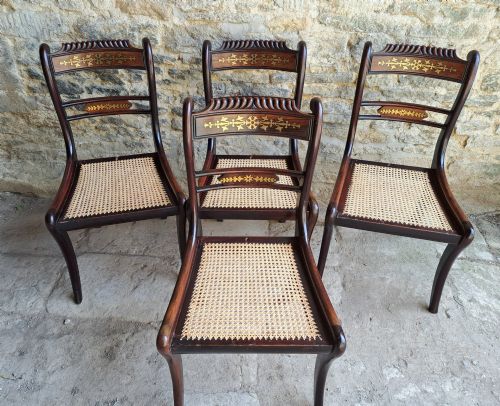
Execution and finish dictate the standing of individual pieces, from finely turned sabre legs and brass inlays to simpler bentwood construction. Original surfaces and well-preserved woven work elevate a chair beyond standard utility.
Angraves of Leicester·Dryad of Leicester
The Vintage Cane Chair Glossary
- Bergere
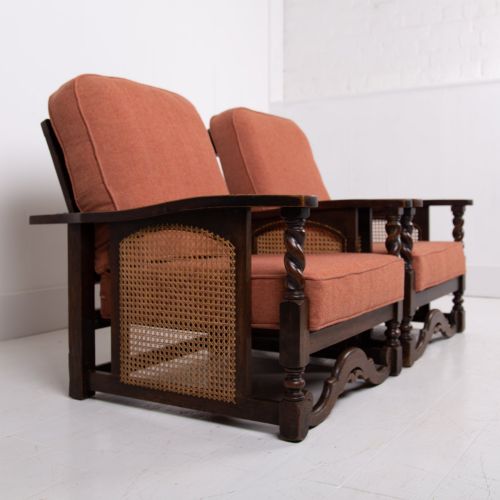
- An enclosed upholstered armchair with wooden sides filled with cane work. These deep seats often include loose squab cushions.
- Cane
- Strips of material derived from the outer bark of the rattan palm, woven into panels for seats and backs. It provides flexible, breathable support.
- Bentwood
- Timber shaped by steaming until pliable and bending it into curved structural forms. This technique appears frequently in rocking chairs.
- Sabre leg
- A concave tapering furniture leg that curves outward in the manner of a cavalry sabre. It is typical of Regency seating design.
Vintage Cane Chair: Frequently Asked Questions
What is a bergere chair?
A bergere chair is a French-style upholstered armchair featuring enclosed wooden sides filled with woven cane panels. These seats are typically deep and wide, designed for formal or library relaxation.
They frequently include upholstered seat cushions and show exposed timber frames in mahogany, walnut, or oak from various periods.
How do I care for cane seats?
Cane seats require light dusting and occasional wiping with a damp cloth to maintain the moisture of the natural fibres. Avoid placing them near direct heat sources which can cause the rattan to dry out and snap.
Weight should be distributed evenly across woven panels to prevent premature sagging or tearing of the handmade mesh.
Are these chairs comfortable for daily use?
Many vintage cane chairs provide supportive seating, particularly bergere models and library armchairs equipped with plush seat cushions. The flexible nature of woven rattan naturally conforms to the body.
Dining chairs and side chairs offer firmer, upright support suited for meal times or desk work rather than lounging.
How do I date a cane chair?
Dating relies on identifying stylistic markers, timber types, and construction methods associated with specific periods like the Regency, Victorian, or Edwardian eras. Cabinet-making details and the tightness of the cane weave also offer clues to age.
Comparing the overarching design to known revival styles helps narrow down the decade of manufacture.