





Woven Cane Side Chair
A woven cane side chair offers lightweight seating and intricate texture, spanning centuries of craftsmanship from the seventeenth century onward.
Woven Cane Side Chair
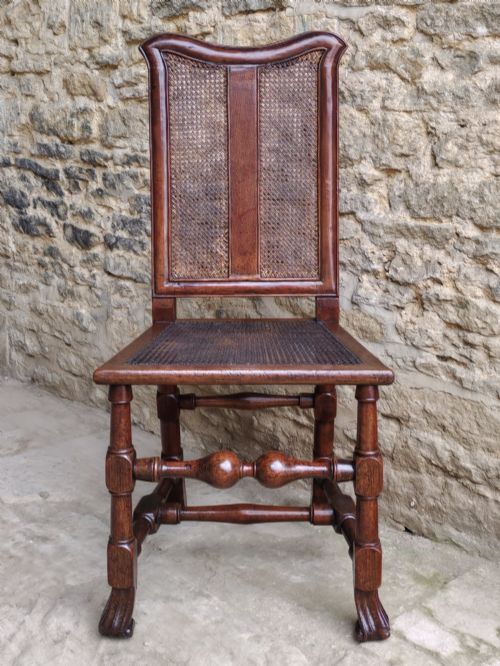
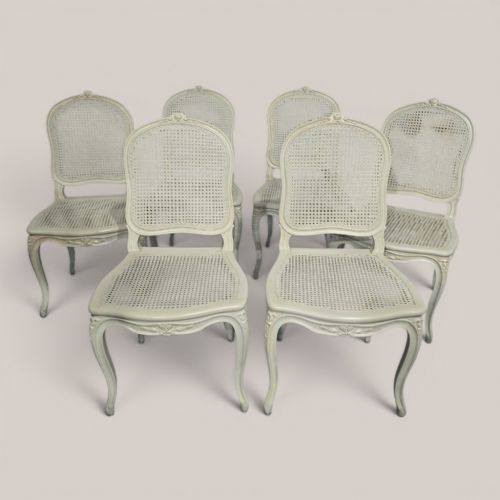
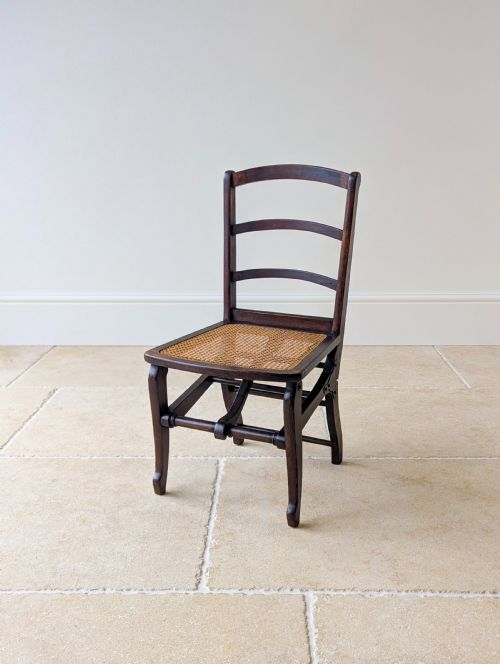
A woven cane side chair appears across multiple periods including the eighteenth century, Victorian era, and the early twentieth century. These pieces encompass various forms such as side chairs, dining chairs, and folding chairs constructed without arms.
Buyers encounter diverse stylistic influences in these furnishings, ranging from Carolean and Jacobean Revival to French Chateau, Regency, and mid-century rustic designs. Woods like oak, mahogany, walnut, and hardwood frequently form the primary structure alongside the woven elements.
Origin points span widely across the listings, featuring European craftsmanship alongside Anglo-Indian, Ceylonese, and Burmese examples. This variety ensures that a woven cane side chair suits numerous historical interiors and eclectic modern spaces alike.
Materials and construction methods
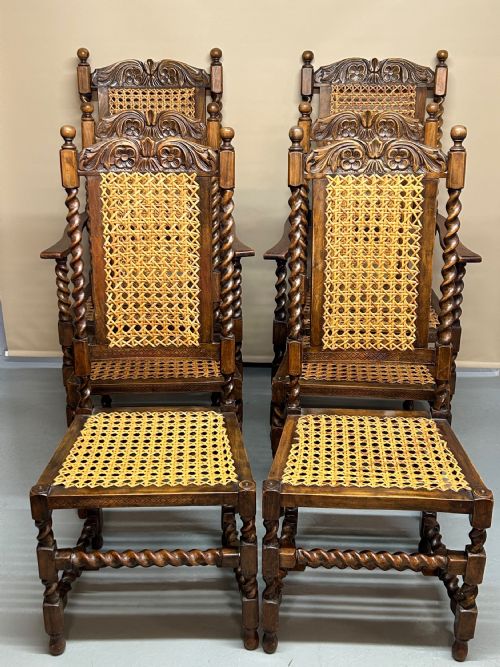
Construction relies heavily on durable hardwoods like oak, mahogany, walnut, and rosewood paired with natural cane and rattan for seats and backs. Artisans shape these timbers using traditional joinery, sometimes incorporating barley twist legs or intricate carved details.
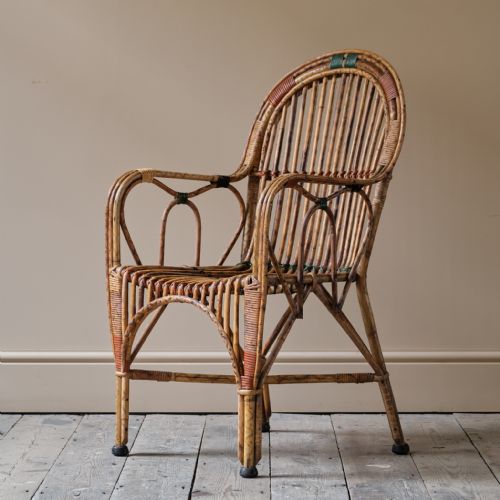
Weaving techniques involve threading pliable cane or rattan through pre-drilled holes in the wooden frame or securing it within channels. Additional variations include lacquered surfaces, turned wooden supports, and folding mechanisms designed for portability.
Some nineteenth-century examples fold flat for travel, proving that Victorian travellers refused to sacrifice caned comfort on campaign.
Assessing quality in construction and material
Quality separates through the tightness and regularity of the cane weaving and the solidity of the underlying timber frame. Finer examples display meticulous hand-carving and well-preserved joinery that withstands structural stress without looseness.
The selection of dense hardwoods like walnut, mahogany, or solid ebony indicates a higher grade of manufacture compared to simpler utilitarian builds. Condition of the natural cane also dictates value, where intact, uniform strands reflect superior preservation.
Heals of London
The Woven Cane Side Chair Glossary
- Cane
- A material derived from the peeled bark of rattan palms, utilised for flexible and durable seat and back panels. It provides a breathable surface suited for domestic seating.
- Bergère
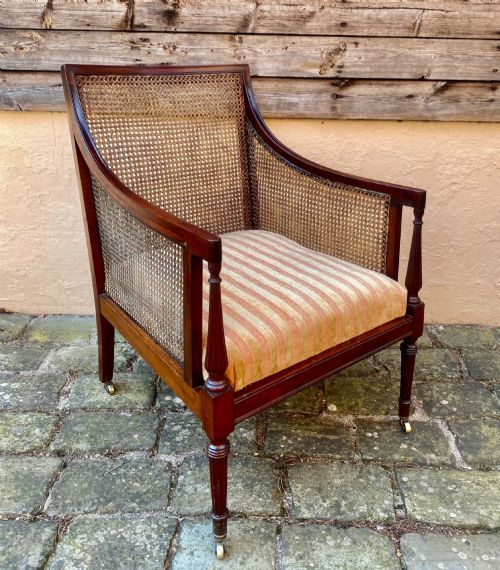
- An enclosed upholstered armchair featuring wooden framing and typically a caned back and sides. This French seating form often includes a loose seat cushion.
- Barley twist
- A type of woodturning shaped like a spiral or helix, commonly found on the legs and stretchers of seventeenth and early twentieth-century seating. It adds decorative movement to the furniture frame.
- Carolean
- A seventeenth-century English stylistic period characterised by rich carving, scrolling foliage, and crown motifs. Seating from this aesthetic often utilises caned panels.
- Bentwood
- Wood softened by steam and bent into curved shapes, frequently seen in bistro-style seating. This technique creates lightweight yet resilient frames without traditional joinery.
Woven Cane Side Chair: Frequently Asked Questions
How do I clean a woven cane side chair?
Dust the cane regularly with a soft brush and wipe the wooden frame with a slightly damp cloth. Avoid harsh chemical cleaners that dry out natural plant fibres.
Periodically dampen the underside of the cane panel with warm water to restore moisture and maintain the tension of the weave.
Can I use a woven cane side chair daily?
Most antique cane chairs tolerate everyday domestic use provided they are placed away from direct heat sources and excessive moisture. Distributing weight evenly helps protect fragile historical webbing.
Heavier users should exercise caution with older or finer cane panels to prevent snapping the natural plant material.
What rooms suit a woven cane side chair?
These chairs function well as dining seats, bedroom chairs, or decorative accent pieces in living spaces. Their lightweight visual presence keeps small rooms from feeling cluttered.
Purchasing a pair or a small set allows for cohesive seating arrangements around a desk or dining table.