
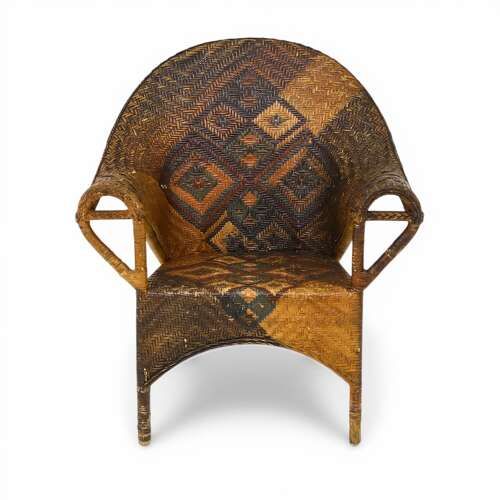


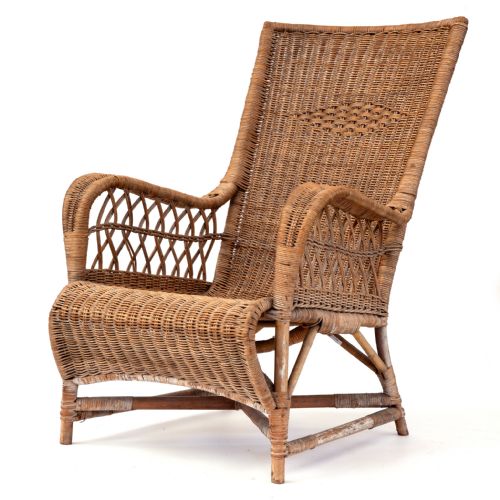
Vintage Wicker Armchair
A vintage wicker armchair brings texture and relaxed seating to a room, spanning styles from Arts and Crafts designs to 1930s British lounging pieces.
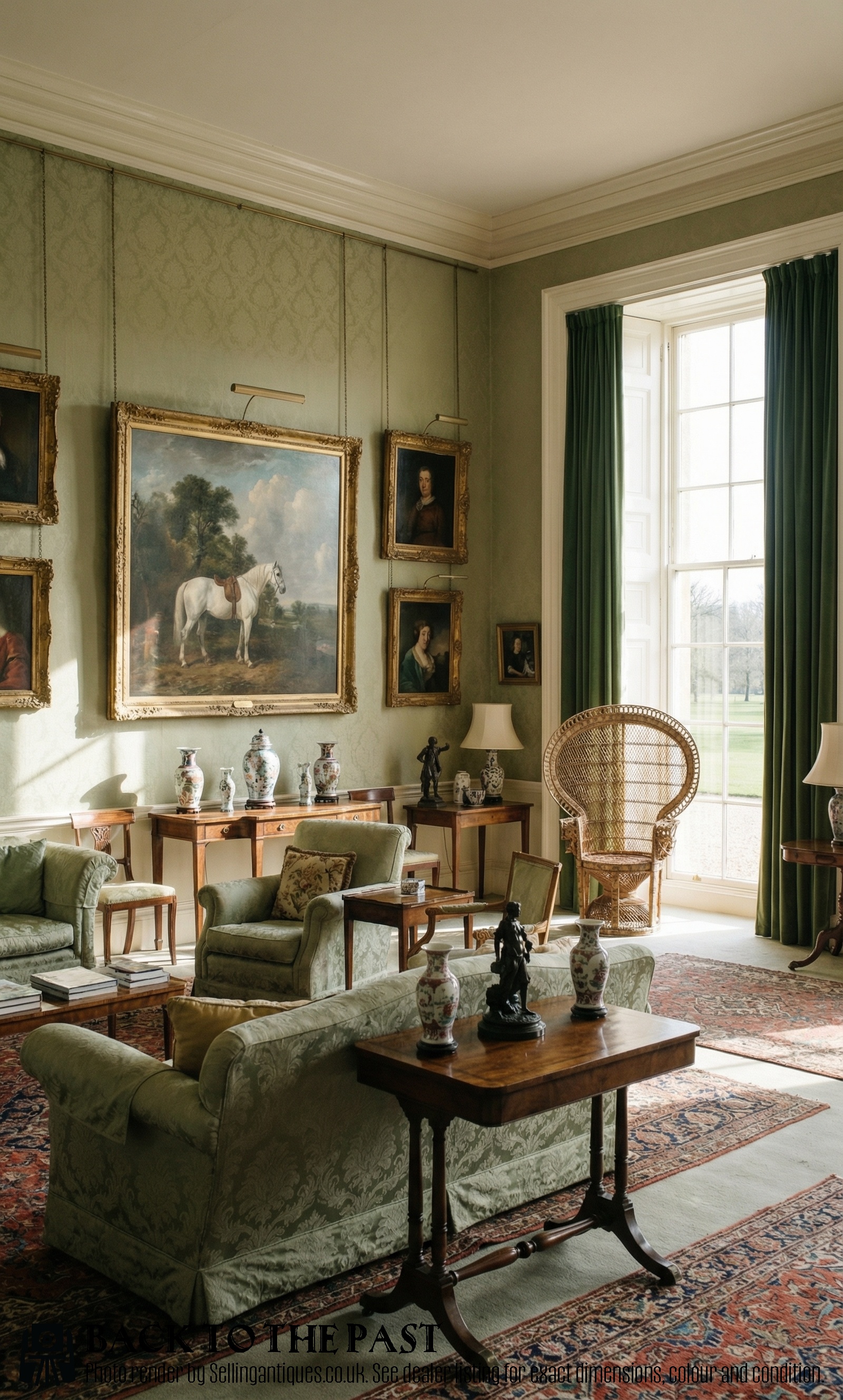
Vintage Wicker Armchair
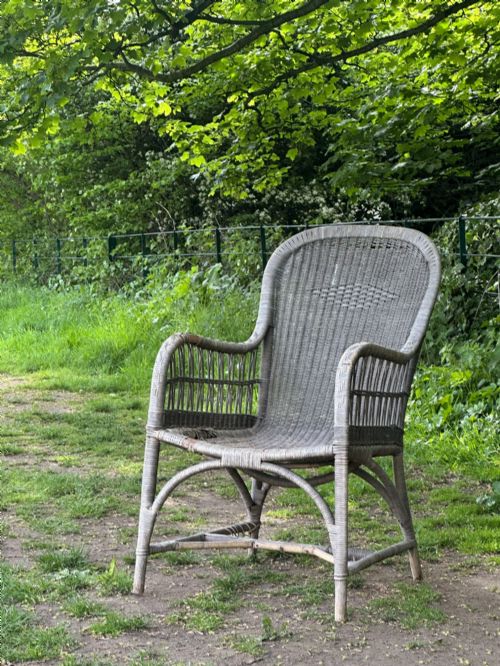
A vintage wicker armchair offers comfortable seating built from woven natural materials, frequently appearing in forms like garden armchairs, rocking chairs, and lounge chairs. These pieces span periods from the 19th century and Edwardian era through the 1920s, 1930s, and 1940s, reflecting diverse design movements.
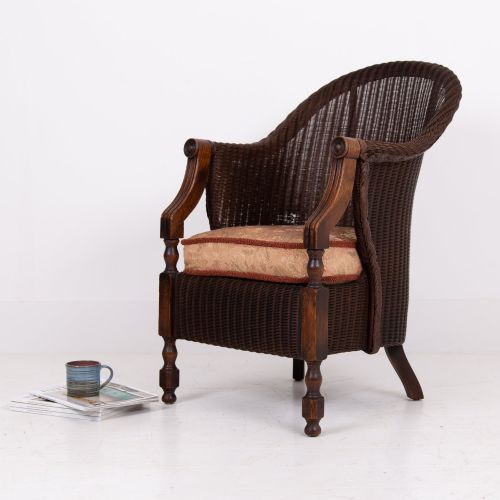
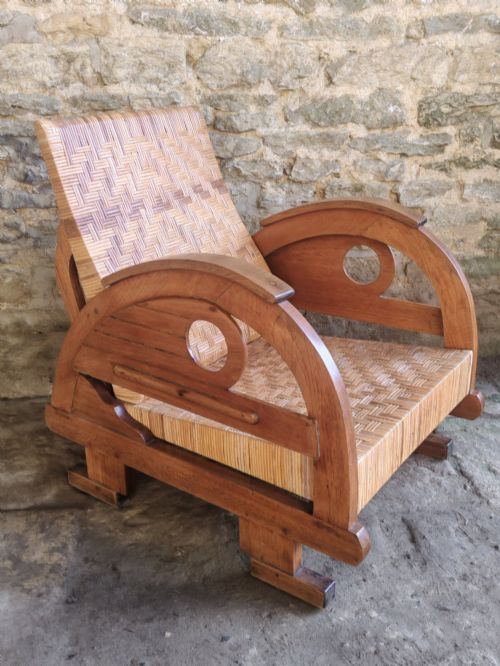
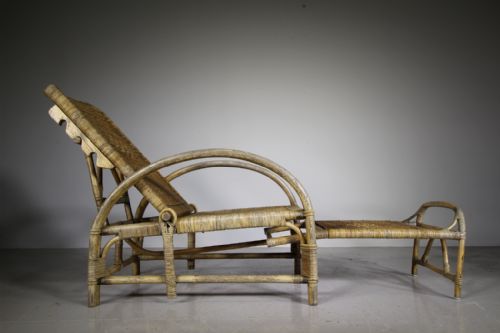
The selection on this page demonstrates remarkable stylistic variety, taking in Art Deco, Arts and Crafts, Regency, Anglo-Indian, and Mid-Century Rustic influences. Buyers often encounter examples paired with solid timber frames such as oak or mahogany, alongside purely woven structures.
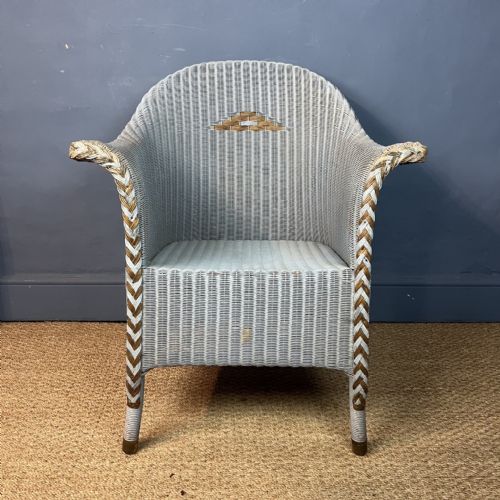
Makers such as Dryad of Leicester and Angraves of Leicester feature prominently among these seating options, alongside Lloyd Loom creations. Whether configured as a reclining garden armchair, a tub armchair, or a porter's chair, each object highlights the versatility of woven seating.
How they were made
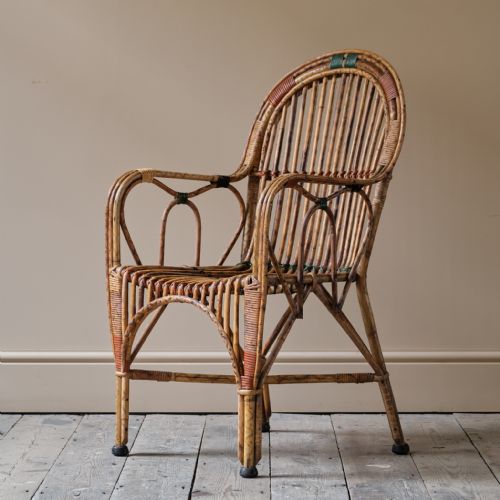
Construction relies heavily on natural materials including cane, rattan, bamboo, willow, and wicker, sometimes supported by kraft paper elements. Artisans wove these pliable substances over sturdy internal skeletons, utilising hardwoods like oak and mahogany for structural stability.
Techniques range from handwoven cane and canework to bentwood shaping and specialised upholstery. Makers combined woven plant fibres with traditional cabinetmaking methods to produce durable chairs suited for both interior rooms and garden spaces.
Some chairs incorporate unexpected touches like mulberry rococo linen upholstery or sun-bleached finishes designed for leisurely lounging.
What varies in quality
The distinction between standard examples and the finest work lies in the tightness of the weave and the complexity of the frame construction. Pieces produced by recognised workshops demonstrate superior structural integrity and refined handling of materials.
Design sophistication also separates ordinary seating from exceptional examples, with certain models incorporating elaborate canework, complementary solid timber elements, or distinct stylistic flourishes from the Arts and Crafts and Art Deco periods.
Dryad of Leicester·Angraves of Leicester
The Vintage Wicker Armchair Glossary
- Bergère
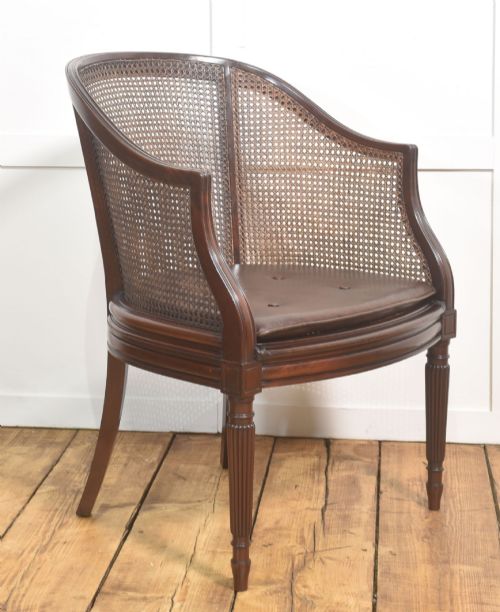
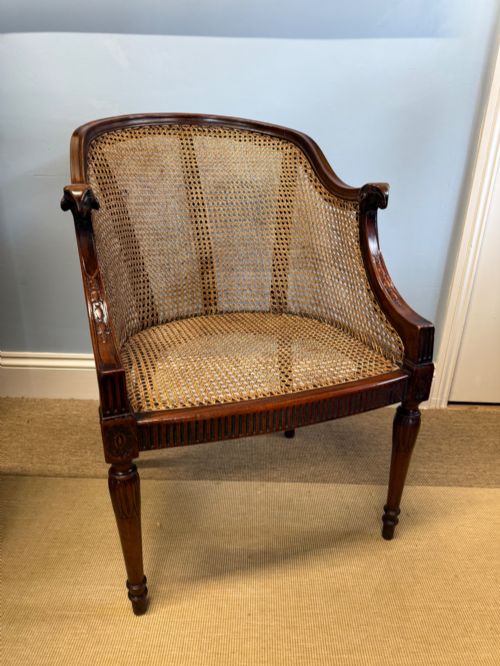
- A traditional French-style armchair with enclosed upholstered or caned sides and a loose seat cushion. These often feature exposed wooden frames in mahogany or oak.
- Lloyd Loom
- A patented process invented in the early twentieth century involving twisted kraft paper spun around wire, woven into durable furniture fabric. It gained immense popularity for both interior and garden use.
- Canework
- A method of weaving rattan or cane strips into patterned seats and backs. It provides flexible yet resilient support.
- Bentwood
- Wood softened through steaming and then bent into curved shapes. This technique created the frames for various early twentieth-century seating forms.
- Tub armchair
- A comfortable chair featuring a continuous curved back and arms forming a rounded enclosure. They often incorporate cane or wicker panels.
Vintage Wicker Armchair: Frequently Asked Questions
How do I clean a vintage wicker armchair?
Dust the woven surfaces regularly using a soft brush attachment on a vacuum cleaner.
Avoid soaking the natural fibres with water, wiping them instead with a slightly damp cloth when necessary.
Can I use these chairs outdoors?
Many examples on this page are designated as garden armchairs or were built for conservatory use.
Protect them from prolonged moisture and harsh weather to preserve the natural cane and wicker materials.
What is the difference between rattan and wicker?
Rattan refers specifically to the strong, pliable palm material used in weaving furniture.
Wicker describes the actual weaving technique and style rather than a specific plant material.
How do I date a vintage wicker chair?
Examine the construction methods, stylistic markers, and any manufacturer labels present on the frame.
Periods range from 19th-century bamboo pieces to Edwardian canework and 1930s Lloyd Loom creations.