

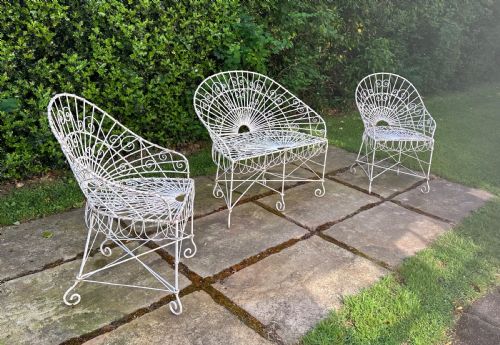


Painted Conservatory Seating
Painted conservatory seating brings together metalwork and wood across Victorian, Edwardian, and mid-century designs to furnish light-filled garden rooms.
Painted Conservatory Seating
When you search for painted conservatory seating, you encounter a varied selection of garden benches, armchairs, daybeds, and dining chairs originating from the nineteenth and twentieth centuries. These pieces span Victorian, Edwardian, Art Deco, and French Riviera styles, reflecting how domestic spaces for leisure evolved over generations.
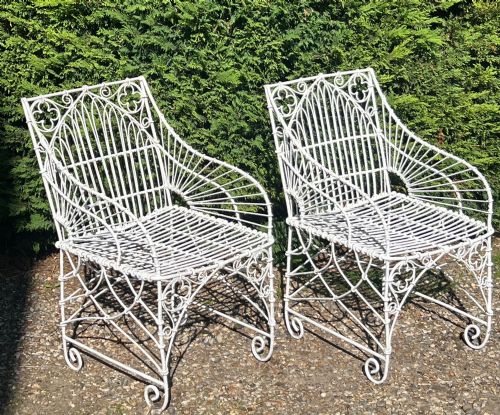
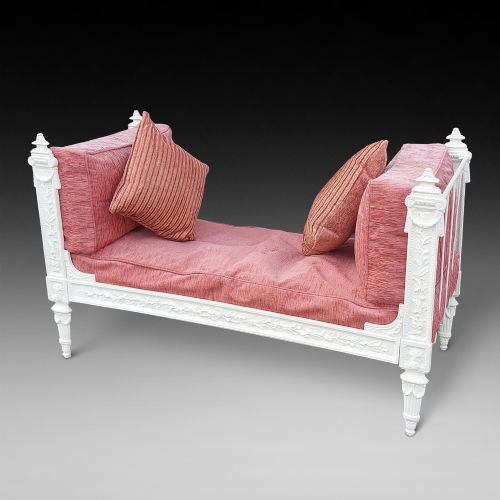
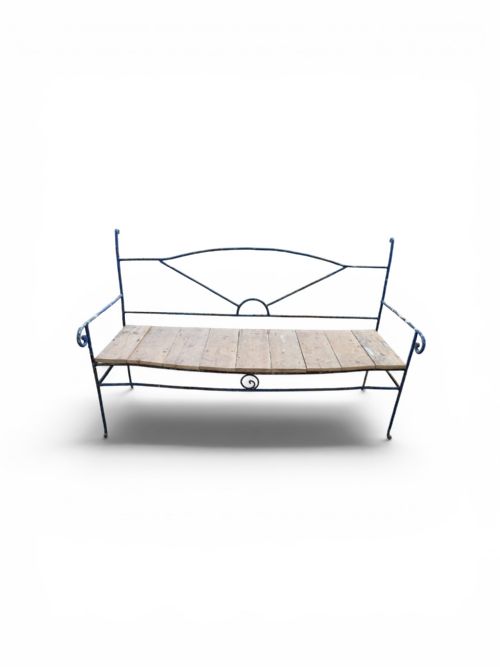
The most common forms on this page are metal garden chairs and benches finished in paint, alongside woven armchairs and wooden seating. Surviving items include single garden benches, pairs of armchairs, and complete garden sets suited for indoor or sheltered outdoor placement.
How they were made
Makers shaped these pieces using cast iron, wrought iron, steel wire, timber, and kraft paper over wooden or wire frames. The combination of rigid metal frameworks with woven elements or wooden slats created sturdy yet comfortable furniture for domestic sunrooms and verandas.
Finishing protection relied upon layered paint applications applied over metal and wood surfaces to withstand humid conservatory environments. Distinctive decorative forms also emerged through faux bamboo turning techniques applied to timber frames.
Listings feature periods from the Victorian era through the 1940s, utilising wrought iron, cast iron, timber, and kraft paper.
What varies in quality
The distinction between standard examples and finer items rests upon the sophistication of the casting, the precision of the ironwork, and the integrity of any woven components. Finer pieces display refined proportions and intricate structural detailing that elevate them above utility items.
Preservation of original painted surfaces and structural stability dictate the standing of individual pieces within the market. Items retaining their early finish and sound joints hold greater appeal for collectors of period sunroom furnishings.
The Painted Conservatory Seating Glossary
- Cast iron
- A heavy, rigid iron alloy poured into moulds to create decorative garden seats and structural bench ends. This material allows for intricate relief patterns on Victorian chairs and daybeds.
- Wrought iron
- Iron heated and hammered into shape by hand or machine, producing strong and slender framing members. It frequently appears in French Riviera and Gothic Revival seating.
- Kraft paper
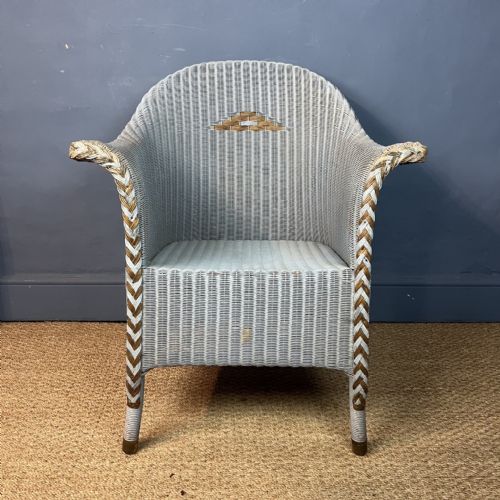
- Strong wood-pulp paper twisted into cords and woven over frames, characteristic of Lloyd Loom furniture. This technique gained popularity in the early twentieth century for conservatory use.
- Faux bamboo
- Timber turned and painted to imitate natural bamboo stalks, popular during the nineteenth century. This decorative finish brought exotic aesthetic influences into European interiors.
Painted Conservatory Seating: Frequently Asked Questions
Are these seats suitable for outdoor gardens?
Most painted conservatory seating was built to withstand sheltered outdoor conditions, verandas, or unheated glasshouses. Metal and timber frames handled fluctuating temperatures well when properly maintained with surface coatings.
However, delicate woven elements or historic painted finishes degrade if left exposed to persistent rain and direct weather. Placing them in covered garden structures preserves both the materials and the decorative paintwork.
How do I date a painted garden bench?
Dating relies upon examining the manufacturing materials, structural fasteners, and stylistic motifs present in the design. Victorian and Edwardian pieces often display heavier cast iron components or traditional timber construction, while twentieth-century examples incorporate steel wire or woven kraft paper.
Design movements such as Gothic Revival, Art Deco, or French Riviera styles provide additional chronological markers. Comparing these details with known production periods helps establish the age of the piece.
How should I maintain historic painted furniture?
Maintenance requires keeping the pieces in stable indoor environments away from excessive moisture and direct sunlight. Regular dusting with a soft, dry cloth prevents grime accumulation on delicate painted or woven surfaces.
Avoid harsh chemical cleaners that might strip historic paint layers. Any necessary touch-ups should respect the existing finish and material composition of the item.
What is Lloyd Loom furniture?
Lloyd Loom is a distinctive type of furniture created by twisting kraft paper around steel wire strands and weaving them over a sturdy frame. Invented in the early twentieth century, this process produced durable, snag-free seating that became very popular for sunrooms and conservatories.
Chairs from this tradition combine lightweight construction with surprising strength. They typically feature smooth painted surfaces that conceal the underlying wire and paper matrix.